World’s oceans break June heat record
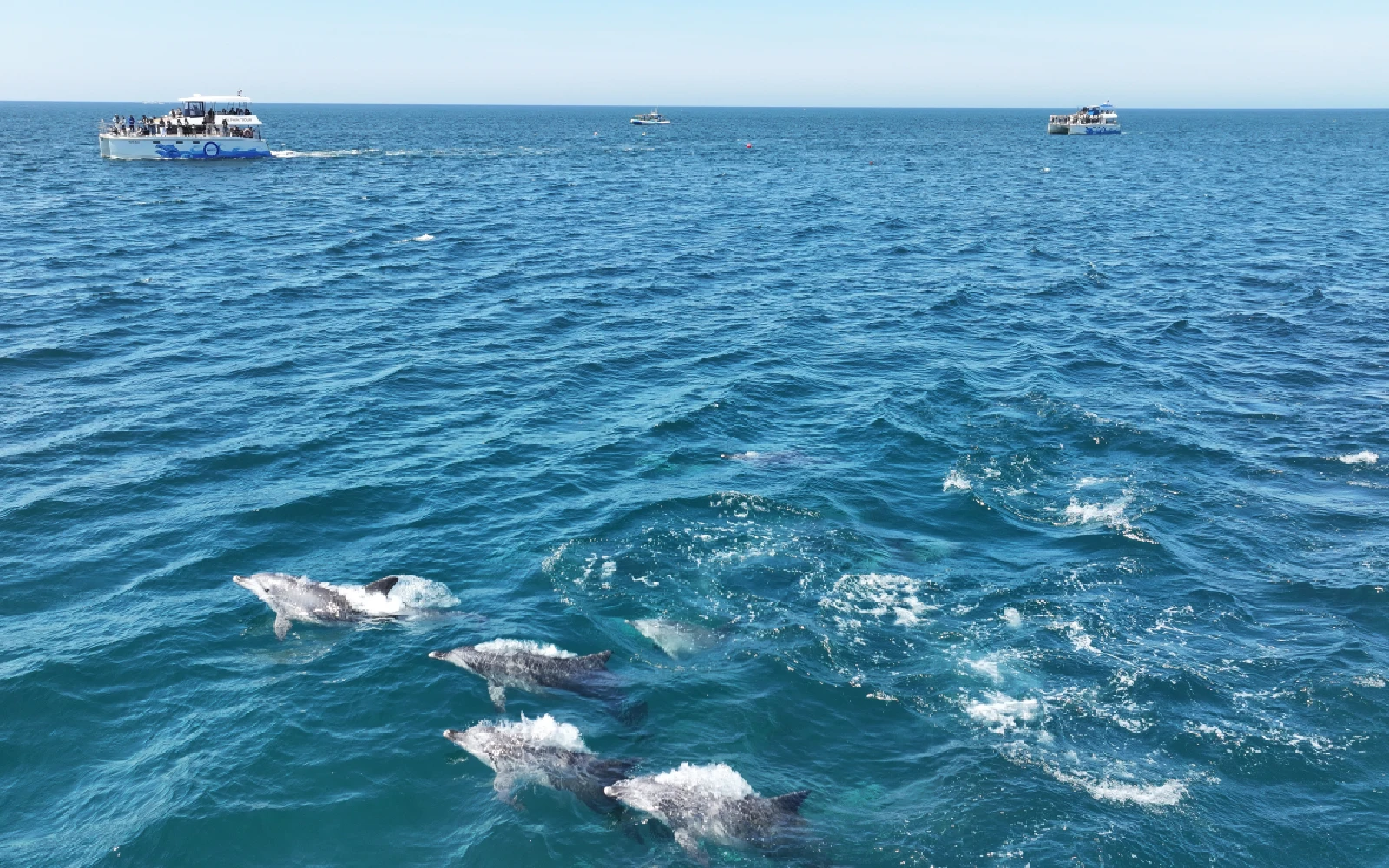 Average sea temperatures in the first half of the year were 20.04°C, slightly below the high set in the same period in 2024. (EPA Images pic)
PARIS: The world’s oceans just experienced their hottest June on record and could set fresh highs in the months ahead as El Nino and climate change drive temperatures even higher, scientists said Wednesday.
Global average sea surface temperatures in June were 20.98°C, beating the previous records of 2023 and 2024, according to the EU’s Copernicus Marine Service.
The record capped six months of near-unprecedented ocean warmth in 2026, with prolonged marine heatwaves, the service said. Average sea temperatures in the first half of the year were 20.04°C, slightly below the high set in the same period in 2024.
And scientists said the onset of a potentially powerful El Nino weather pattern could boost global heat in the oceans and atmosphere even further in 2026 and into next year.
“Current conditions could indicate the beginning of a new phase, leading, once more, to uncharted territory,” said Carlo Buontempo, director of Copernicus Climate Change Service, the EU’s climate monitor.
“With ocean temperatures at these levels and El Nino on the horizon, we are likely to see more temperature records fall in the coming months,” Buontempo said in a statement.
El Nino is marked by unusually warm waters in parts of the Pacific Ocean, releasing more heat into the atmosphere and influencing wind, cloud and weather patterns around the globe.
This can raise the risk of weather extremes ranging from floods in Peru to droughts in parts of Africa and wildfires in Australia.
But it can also cause a temporary spike in global temperatures, compounding the long-term warming caused by humanity’s burning of fossil fuels.
Land and sea temperatures reached an all-time high in 2024 at the tail end of the last El Nino.
“With the arrival and the onset of an El Nino year … we can expect that 2026 will be amongst the warmest (ever) recorded,” Simon Van Gennip, lead Oceanographer for the Copernicus Marine Service, said in a news briefing.
“This is due to El Nino … but also from the warming due to the greenhouse gas emissions we continue to provide for the atmosphere,” Van Gennip said.
‘Deepening crisis’
The report follows a warning issued in a major UN scientific assessment last month which declared that the world’s oceans were in a “deepening crisis” as seas were warming and rising faster.
Oceans are a key regulator of Earth’s climate because they absorb some 90% of the excess heat caused by humanity’s release of greenhouse gases such as carbon dioxide.
Warmer oceans increase moisture in the atmosphere, providing fuel for tropical cyclones and destructive rainfall.
Hotter seas also directly contribute to sea level rise – water expands when it warms up – and create unbearable conditions for tropical reefs, whose corals can bleach and die during prolonged marine heatwaves.
The first six months of the year were marked by widespread marine heatwaves that affected around 82% of the world’s oceans, the second-largest extent after 2024, according to Copernicus Marine Service.
Marine heatwaves – prolonged periods of unusually high sea temperatures – can affect weather, trigger coral bleaching and prove fatal for marine wildlife.
Global heat
Global sea surface temperatures varied in the first half of the year, according to the service, which is run by Mercator Ocean International, an EU-backed non-profit organisation.
The Mediterranean broke its June record at 24.3°C, surpassing the previous highs set in 2023 and 2025. Marine heatwaves hit 98% of the basin during the first six months of the year.
A marine heatwave affecting the northwestern Mediterranean broke a record intensity measurement on Monday after a week that saw temperature records tumble in Europe, a Spanish climate institute said.
The tropical Pacific also had its hottest June ever at 27.26°C.
The region matched its 2016 record for the January-to-June period, with the strongest and most persistent warming in the western equatorial Pacific and off the coasts of Peru and California.


You May Also Like

Alabama Enacts Dual Legislative Breakthrough in Blockchain and Judicial Reform

FedEx Stock Slides $12 From Session High as Sellers Take Over