

Japanese Yen Holds Steady as Intervention Fears Intensify and Fed Rate Hike Bets Cool
BitcoinWorld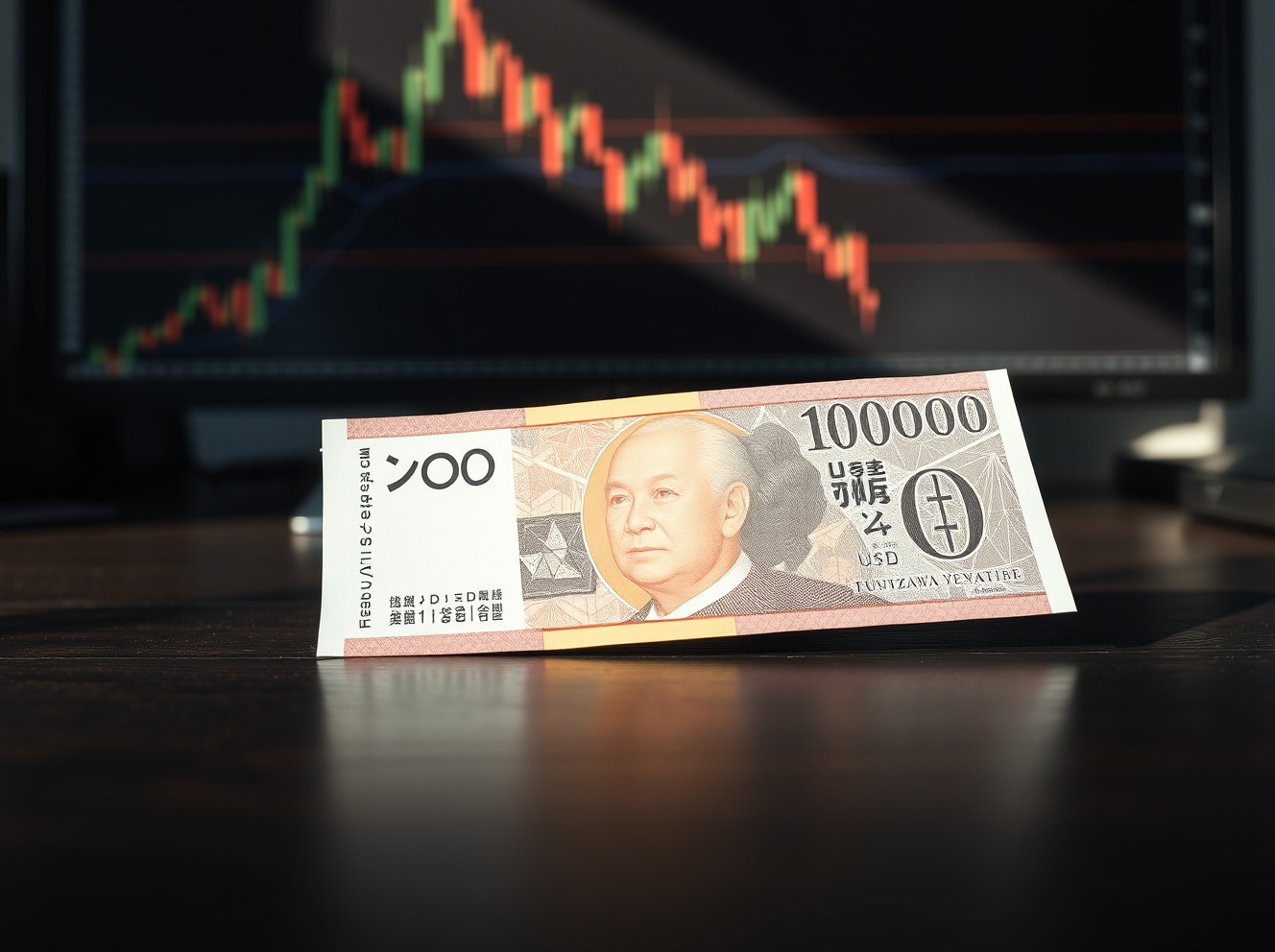
Japanese Yen Holds Steady as Intervention Fears Intensify and Fed Rate Hike Bets Cool
The Japanese Yen stabilized against the U.S. dollar on Tuesday, hovering near the psychologically significant 150 mark, as market participants weighed rising risks of currency intervention by Japanese authorities against a backdrop of cooling expectations for further Federal Reserve interest rate hikes.
Yen Finds Temporary Footing Amid Intervention Threats
The USD/JPY pair traded in a narrow range around 149.80 during the Asian and early European sessions, after briefly testing the 150.20 level earlier in the week. The Yen’s steadiness comes as Japanese officials, including Finance Minister Shunichi Suzuki and top currency diplomat Masato Kanda, have repeatedly warned that they are watching currency moves with a high sense of urgency and are prepared to take decisive action against excessive volatility.
These verbal interventions have historically served as a precursor to actual market intervention, most notably in September and October 2022, when Japan spent approximately $60 billion to support its currency. The 150 level is widely viewed by analysts as a potential trigger point for direct intervention, given its historical significance and the psychological impact on import costs and inflation expectations in Japan.
Fed Policy Expectations Shift in Favor of the Yen
Adding to the Yen’s resilience, recent U.S. economic data has weakened the case for additional Fed rate increases. The latest non-farm payrolls report showed a slowdown in job creation, while consumer price index data indicated that inflation continues to moderate toward the Fed’s 2% target. These figures have led markets to price in a lower probability of a rate hike at the Fed’s November meeting, with some traders now betting on rate cuts beginning in mid-2025.
The narrowing interest rate differential between the U.S. and Japan is a critical factor for the Yen. When Fed rate hike expectations rise, the dollar typically strengthens against the Yen, as investors seek higher yields. Conversely, when those expectations ease, the Yen often recovers ground.
What This Means for Traders and Importers
For forex traders, the current environment presents a high-stakes scenario. The Yen is caught between the gravitational pull of U.S. interest rate policy and the looming threat of Japanese government intervention. This has created a situation where sharp, short-term moves in either direction are possible, but sustained trends may be difficult to establish.
For Japanese importers, particularly energy and raw material buyers, a weaker Yen increases costs and squeezes profit margins. The recent stabilization offers some relief, but the risk of renewed depreciation remains if the Fed signals a more hawkish stance. Japanese exporters, on the other hand, benefit from a weaker Yen as it makes their goods more competitive abroad.
Conclusion
The Japanese Yen’s current steadiness reflects a delicate balance between intervention risks and shifting monetary policy expectations. While verbal warnings from Tokyo provide a temporary floor, the currency’s medium-term direction will likely be determined by the Fed’s next policy moves and the Bank of Japan’s willingness to adjust its yield curve control framework. Traders and businesses should remain vigilant for sudden volatility, particularly around key U.S. economic data releases and any direct intervention by Japanese authorities.
FAQs
Q1: What level would trigger Japanese intervention in the currency market?
While Japanese officials do not disclose specific trigger levels, the 150 mark against the U.S. dollar is widely considered a key psychological threshold. Past interventions occurred when the Yen weakened rapidly beyond this level, particularly in 2022.
Q2: How does Fed policy affect the Japanese Yen?
The Yen is highly sensitive to U.S. interest rate expectations. Higher Fed rates make dollar-denominated assets more attractive, strengthening the dollar against the Yen. When rate hike expectations ease, the Yen often strengthens as the interest rate differential narrows.
Q3: What is the Bank of Japan’s role in Yen movements?
The Bank of Japan sets monetary policy, including its negative interest rate and yield curve control programs. These policies influence the Yen’s value by affecting interest rate differentials with other countries. The Ministry of Finance, not the BOJ, is responsible for direct currency intervention.
This post Japanese Yen Holds Steady as Intervention Fears Intensify and Fed Rate Hike Bets Cool first appeared on BitcoinWorld.


You May Also Like

Egyptian foreign minister to meet Putin over Iran conflict

Gnosis Pay reveals hidden flaw behind $1.5 million crypto hack


