

How Africans Are Using Stablecoins to Outsmart Inflation in 2025
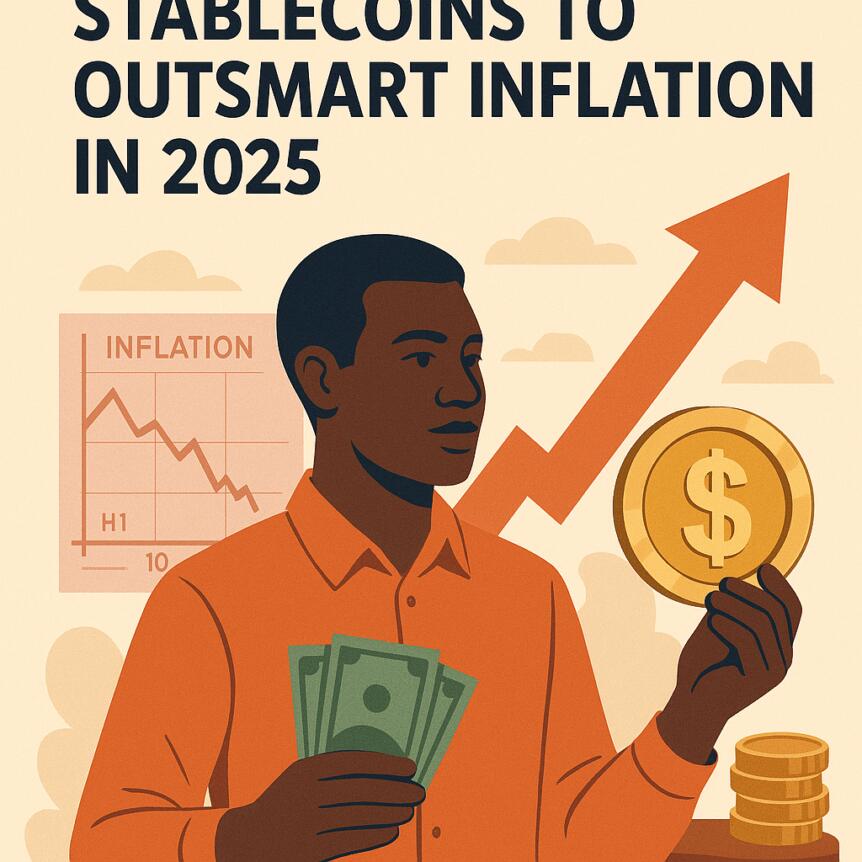
Certainly! Here’s the rewritten article with an informative introduction, key takeaways, and optimized SEO, while maintaining the original HTML structure and ensuring a professional, authoritative tone:
Across Africa, the adoption of stablecoins is transforming how people save, send, and spend money amid economic challenges such as inflation, currency volatility, and high remittance costs. As digital currencies become more integrated with mobile money and fintech services, they offer practical solutions for millions navigating fragile economies. However, evolving regulations and inherent risks pose ongoing challenges for users and regulators alike.
-
Stablecoins like USDC and USDT are now common means for savings and remittances across African nations.
-
Economic factors such as inflation, foreign exchange swings, and costly remittance corridors drive adoption.
-
Mobile money platforms, including M-Pesa, facilitate stablecoin use, creating familiar, practical experiences for users.
-
Regulatory developments and risks around reserves, scams, and policy shifts continue to influence the landscape.
In Nairobi, everyday entrepreneurs like Amina now seamlessly invoice international clients and cash out stablecoins via mobile money apps, transforming what was once experimental into routine financial activity. Platforms such as Kotani Pay enable linking stablecoins directly to mobile wallets, making cross-border payments faster and more affordable.
Meanwhile, in Lagos, Chinedu’s small retail business holds working capital in Tether’s USDt. This approach shields his margins from volatility and supports smooth import restocking. Between July 2023 and June 2024, Nigeria alone processed nearly $22 billion in stablecoin transactions, underscoring the significant role these digital assets play in the region’s economy.
Traditional remittance channels often cost around 8.45% per transaction, but digital-first providers are reducing this to approximately 4%, especially within the $200-$1,000 transfer range crucial for families and small businesses. The ease of transferring stablecoins with local cash-out options makes them an attractive alternative particularly during times of currency devaluation and inflation.
The macroeconomic pressures: Inflation, FX swings, and remittance hurdles
Despite some easing, Nigeria’s inflation remains elevated at 21.88% as of July 2025, eroding consumers’ purchasing power. Currency reforms since 2023, including devaluations and a shift toward a market-driven FX regime, have increased volatility, complicating both daily transactions and import activities.
In neighboring Kenya, inflation has risen modestly to 4.5%, with the shilling experiencing swings that sustain high demand for USD. The world’s most expensive remittance corridor, Sub-Saharan Africa, faces an average cost of 8.45% for sending money across borders—significantly above sustainable development goals set by the UN.
These economic challenges explain why stablecoins are increasingly vital for freelancers, traders, and small business owners, offering a way to preserve value and make cross-border transactions more efficient using just a mobile phone.

Did you know? Nigeria’s diaspora sent about $19.5 billion home in 2023 — accounting for roughly 35% of all remittances to Sub-Saharan Africa.
The practical appeal of stablecoins in emerging markets
Stablecoins like USDC and Tether’s USDt serve as “digital dollars,” offering 24/7 transfer capabilities and lower costs compared to traditional remittance services. This efficiency makes them especially popular where local currencies are weak or volatile.
Data from Chainalysis indicates stablecoins now dominate everyday crypto activity in Sub-Saharan Africa, with nearly 40-43% of total crypto volume originating from stablecoin transactions. Nigeria alone saw nearly $3 billion in small-value stablecoin trades in Q1 2024, primarily through USDT and USDC.
On the ground, stablecoins are primarily obtained via regulated fintech platforms and peer-to-peer (P2P) marketplaces, then converted into cash through mobile money services like M-Pesa. Companies such as Yellow Card and Chipper Cash facilitate cross-border transfers, using stablecoins behind the scenes to expedite payments.
Everyday use cases include:
- Savings: Protecting wealth amid inflation by converting small balances into stablecoins.
- Payroll and freelance work: Receiving payments in USDC, then converting as needed for local expenses.
- Trade and logistics: SMEs settle invoices or pay suppliers in stablecoins, reducing currency exchange costs.
- Remittances: Transferring stablecoins with local cash-out options often outperforms traditional services on fees and speed.
With over 2 billion mobile money accounts globally, Africa remains at the forefront of integrating mobile wallets with crypto, making stablecoins increasingly practical for daily financial needs.
<h2 Evolving regulatory landscape and risks
Nigeria
Regulatory policies have fluctuated from outright bans to cautious acceptance, and recent measures include crackdowns on P2P platforms and tighter licensing for digital-asset firms. Nigeria’s Securities and Exchange Commission updated its framework in early 2025, emphasizing compliance and transparency for crypto businesses.
Kenya
Kenya’s Digital Asset Tax introduced in 2023 was repealed in 2025, replaced by a 10% excise duty on service fees from crypto providers. The rapidly evolving policies underscore the importance for users and providers to stay informed about local regulations.
In both markets, authorities are pushing for tighter oversight, including licensing, disclosure, and reserve standards, to balance innovation with financial stability and prevent informal dollarization.

<h2 Risks and future outlook
Despite their benefits, stablecoins pose risks of reserve mismanagement, scams, and regulatory crackdowns. Past events like the USDC de-pegging in 2023 highlighted the vulnerability of reserves and issuer transparency. On the operational level, scams, wallet thefts, and bridge failures remain prevalent.
Moving forward, regulators in Africa aim to tighten oversight, enforcing clearer disclosure, licensing, and standards. As the ecosystem matures, integrated “crypto in the background” services may increase, with users experiencing seamless value transfer without direct token interaction.
While stablecoins will not solve inflation or currency policy issues, their role in making cross-border payments, savings, and everyday transactions more affordable and efficient is undeniable. The balance of innovation and regulation will determine their future in Africa’s evolving financial landscape.
This article does not constitute investment advice. Readers should conduct their own research and exercise caution when engaging with cryptocurrencies or stablecoins.
This article was originally published as How Africans Are Using Stablecoins to Outsmart Inflation in 2025 on Crypto Breaking News – your trusted source for crypto news, Bitcoin news, and blockchain updates.


You May Also Like

Safe Havens Are Failing — Why Gold, Silver, and Crypto Are All Falling Together

Just like LagRide, Edo to launch EdoRide e-hailing service ‘any moment’




