The AFL-CIO has urged the Senate Banking Committee to oppose the Responsible Financial Innovation Act, warning that the legislation would expose workers’ retirement funds to crypto volatility while increasing systemic financial risk. In an October 7 letter to Chairman Scott and Ranking Member Warren, AFL-CIO Director of Government Affairs Jody Calemine stated the bill would greenlight retirement plans like 401(k)s and pensions to hold risky crypto assets rather than insulating workers from instability. The union federation represents millions of American workers whose retirement security could be affected by the legislation. The opposition comes as President Trump signed an executive order in August allowing American workers to add alternative assets, including cryptocurrency, to their $12.5 trillion 401(k) portfolios. More than 90 million Americans participate in employer-sponsored defined-contribution plans, with total US retirement assets valued at $43.4 trillion as of March 31, 2025. House Financial Services Committee Chairman French Hill and Subcommittee Chairman Ann Wagner urged SEC Chair Paul Atkins on September 22 to implement the directive swiftly by recognizing FINRA-certified professionals as accredited investors. Union Warns Bill Creates Shadow Markets and Exposes FDIC to Risk The AFL-CIO claimed to have identified two immediate systemic risks in the legislation. First, the proposal would expand the ability of FDIC-backed banks and bank holding companies to hold and trade crypto assets directly, rather than only on behalf of clients. This, according to them, would expose banks to a heightened risk of losses and failures, while also putting the FDIC’s taxpayer-backed Deposit Insurance Fund at greater risk. Second, the bill codifies the tokenization of securities and assets, allowing private companies to create shadow public stock outside SEC oversight. Calemine warned these blockchain-based shadow stocks, notionally tied to traditional public stock but trading independently, would create new risks for both shadow stockholders and public stockholders who did not opt into unregulated markets. The union expressed deep concern about the potential impact on the stability of traditional financial markets and institutions, comparing the risks to unregulated derivatives markets that contributed to the 2008 financial crisis.Source: BIS The legislation substantially weakens federal and state enforcement tools to police fraud and conflicts of interest, according to the AFL-CIO. The bill creates avenues for securities issuers to evade SEC regulation through tokenization, reduces public disclosure requirements, and preempts state-level antifraud, securities, and consumer protection laws. While most pensions currently do not carry crypto assets due to associated risks, Calemine claimed the bill provides a “facade of regulation” that may make crypto more mainstream in portfolios, allowing the proliferation of assets investors will wrongly perceive as safe. Industry Pushes Forward as Regulators Signal Friendlier Stance The draft Responsible Financial Innovation Act, released in July by Senate Banking Chair Tim Scott alongside Senators Cynthia Lummis, Bill Hagerty, and Bernie Moreno, proposes explicit recognition that digital assets referred to as “ancillary assets” are not inherently securities. The legislation attempts to resolve jurisdictional tension between the SEC and the CFTC, with most digital assets regulated as commodities under the CFTC, while the SEC retains oversight of investment contracts and investor protection. A revised September 7 draft introduced protections for DeFi developers and emerging blockchain sectors, such as DePINs, proposing the formation of a Joint Advisory Committee on Digital Assets comprising SEC and CFTC members. Developers contributing to decentralized protocols, validators, liquidity providers, and wallet builders would not automatically fall under traditional financial regulations if protocols aren’t centrally controlled. Airdrops, staking rewards, and liquid-staking outputs are defined as “gratuitous distributions” rather than securities offerings. Last month, SEC Chair Paul Atkins announced the agency would end “regulation by enforcement,” giving firms preliminary notices of technical violations and up to six months to address issues before enforcement is considered. Since taking office in April, Atkins has dropped several high-profile cases inherited from Gary Gensler’s tenure and launched a Crypto Task Force. He rejected the broad classification of cryptocurrencies as securities, showing openness to tokenized stocks and bonds that mirror existing instruments. Little before then, CFTC Acting Chair Caroline D. Pham outlined on September 8 a cross-border framework allowing foreign crypto exchanges to operate under U.S. regulatory frameworks, potentially widening market access for American traders. Pham noted many American crypto firms moved operations abroad, citing a lack of clear rules, with jurisdictions in Europe, Asia, and the Middle East developing digital asset frameworks that drew companies awayThe AFL-CIO has urged the Senate Banking Committee to oppose the Responsible Financial Innovation Act, warning that the legislation would expose workers’ retirement funds to crypto volatility while increasing systemic financial risk. In an October 7 letter to Chairman Scott and Ranking Member Warren, AFL-CIO Director of Government Affairs Jody Calemine stated the bill would greenlight retirement plans like 401(k)s and pensions to hold risky crypto assets rather than insulating workers from instability. The union federation represents millions of American workers whose retirement security could be affected by the legislation. The opposition comes as President Trump signed an executive order in August allowing American workers to add alternative assets, including cryptocurrency, to their $12.5 trillion 401(k) portfolios. More than 90 million Americans participate in employer-sponsored defined-contribution plans, with total US retirement assets valued at $43.4 trillion as of March 31, 2025. House Financial Services Committee Chairman French Hill and Subcommittee Chairman Ann Wagner urged SEC Chair Paul Atkins on September 22 to implement the directive swiftly by recognizing FINRA-certified professionals as accredited investors. Union Warns Bill Creates Shadow Markets and Exposes FDIC to Risk The AFL-CIO claimed to have identified two immediate systemic risks in the legislation. First, the proposal would expand the ability of FDIC-backed banks and bank holding companies to hold and trade crypto assets directly, rather than only on behalf of clients. This, according to them, would expose banks to a heightened risk of losses and failures, while also putting the FDIC’s taxpayer-backed Deposit Insurance Fund at greater risk. Second, the bill codifies the tokenization of securities and assets, allowing private companies to create shadow public stock outside SEC oversight. Calemine warned these blockchain-based shadow stocks, notionally tied to traditional public stock but trading independently, would create new risks for both shadow stockholders and public stockholders who did not opt into unregulated markets. The union expressed deep concern about the potential impact on the stability of traditional financial markets and institutions, comparing the risks to unregulated derivatives markets that contributed to the 2008 financial crisis.Source: BIS The legislation substantially weakens federal and state enforcement tools to police fraud and conflicts of interest, according to the AFL-CIO. The bill creates avenues for securities issuers to evade SEC regulation through tokenization, reduces public disclosure requirements, and preempts state-level antifraud, securities, and consumer protection laws. While most pensions currently do not carry crypto assets due to associated risks, Calemine claimed the bill provides a “facade of regulation” that may make crypto more mainstream in portfolios, allowing the proliferation of assets investors will wrongly perceive as safe. Industry Pushes Forward as Regulators Signal Friendlier Stance The draft Responsible Financial Innovation Act, released in July by Senate Banking Chair Tim Scott alongside Senators Cynthia Lummis, Bill Hagerty, and Bernie Moreno, proposes explicit recognition that digital assets referred to as “ancillary assets” are not inherently securities. The legislation attempts to resolve jurisdictional tension between the SEC and the CFTC, with most digital assets regulated as commodities under the CFTC, while the SEC retains oversight of investment contracts and investor protection. A revised September 7 draft introduced protections for DeFi developers and emerging blockchain sectors, such as DePINs, proposing the formation of a Joint Advisory Committee on Digital Assets comprising SEC and CFTC members. Developers contributing to decentralized protocols, validators, liquidity providers, and wallet builders would not automatically fall under traditional financial regulations if protocols aren’t centrally controlled. Airdrops, staking rewards, and liquid-staking outputs are defined as “gratuitous distributions” rather than securities offerings. Last month, SEC Chair Paul Atkins announced the agency would end “regulation by enforcement,” giving firms preliminary notices of technical violations and up to six months to address issues before enforcement is considered. Since taking office in April, Atkins has dropped several high-profile cases inherited from Gary Gensler’s tenure and launched a Crypto Task Force. He rejected the broad classification of cryptocurrencies as securities, showing openness to tokenized stocks and bonds that mirror existing instruments. Little before then, CFTC Acting Chair Caroline D. Pham outlined on September 8 a cross-border framework allowing foreign crypto exchanges to operate under U.S. regulatory frameworks, potentially widening market access for American traders. Pham noted many American crypto firms moved operations abroad, citing a lack of clear rules, with jurisdictions in Europe, Asia, and the Middle East developing digital asset frameworks that drew companies away

Largest US Union Federation Opposes Crypto Bill, Says It Exposes Workers’ Retirement Funds to Risk

The AFL-CIO has urged the Senate Banking Committee to oppose the Responsible Financial Innovation Act, warning that the legislation would expose workers’ retirement funds to crypto volatility while increasing systemic financial risk.

In an October 7 letter to Chairman Scott and Ranking Member Warren, AFL-CIO Director of Government Affairs Jody Calemine stated the bill would greenlight retirement plans like 401(k)s and pensions to hold risky crypto assets rather than insulating workers from instability.

The union federation represents millions of American workers whose retirement security could be affected by the legislation.

The opposition comes as President Trump signed an executive order in August allowing American workers to add alternative assets, including cryptocurrency, to their $12.5 trillion 401(k) portfolios.

More than 90 million Americans participate in employer-sponsored defined-contribution plans, with total US retirement assets valued at $43.4 trillion as of March 31, 2025.

House Financial Services Committee Chairman French Hill and Subcommittee Chairman Ann Wagner urged SEC Chair Paul Atkins on September 22 to implement the directive swiftly by recognizing FINRA-certified professionals as accredited investors.

Union Warns Bill Creates Shadow Markets and Exposes FDIC to Risk

The AFL-CIO claimed to have identified two immediate systemic risks in the legislation.

First, the proposal would expand the ability of FDIC-backed banks and bank holding companies to hold and trade crypto assets directly, rather than only on behalf of clients.

This, according to them, would expose banks to a heightened risk of losses and failures, while also putting the FDIC’s taxpayer-backed Deposit Insurance Fund at greater risk.

Second, the bill codifies the tokenization of securities and assets, allowing private companies to create shadow public stock outside SEC oversight.

Calemine warned these blockchain-based shadow stocks, notionally tied to traditional public stock but trading independently, would create new risks for both shadow stockholders and public stockholders who did not opt into unregulated markets.

The union expressed deep concern about the potential impact on the stability of traditional financial markets and institutions, comparing the risks to unregulated derivatives markets that contributed to the 2008 financial crisis.
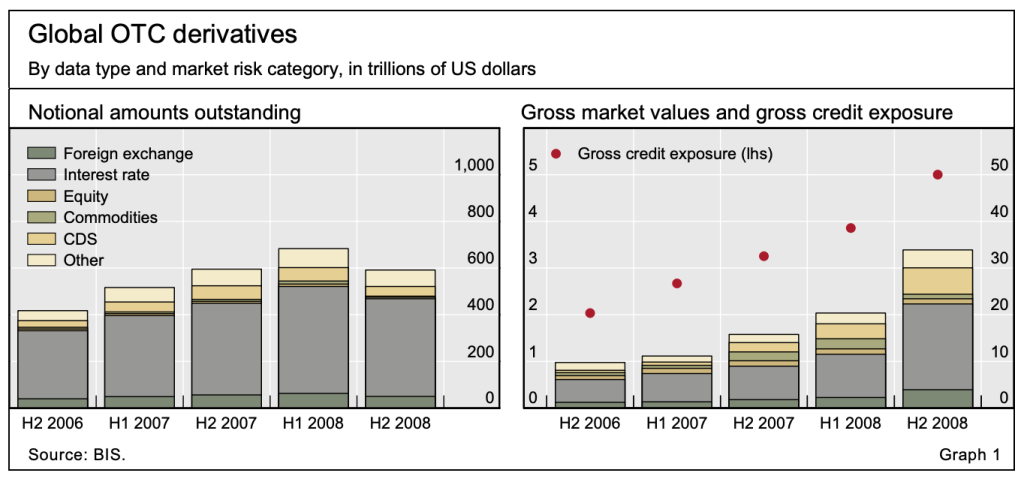
Largest US Union Federation Opposes Crypto Bill, Says It Exposes Workers' Retirement Funds to RiskSource: BIS

The legislation substantially weakens federal and state enforcement tools to police fraud and conflicts of interest, according to the AFL-CIO.

The bill creates avenues for securities issuers to evade SEC regulation through tokenization, reduces public disclosure requirements, and preempts state-level antifraud, securities, and consumer protection laws.

While most pensions currently do not carry crypto assets due to associated risks, Calemine claimed the bill provides a “facade of regulation” that may make crypto more mainstream in portfolios, allowing the proliferation of assets investors will wrongly perceive as safe.

Industry Pushes Forward as Regulators Signal Friendlier Stance

The draft Responsible Financial Innovation Act, released in July by Senate Banking Chair Tim Scott alongside Senators Cynthia Lummis, Bill Hagerty, and Bernie Moreno, proposes explicit recognition that digital assets referred to as “ancillary assets” are not inherently securities.

The legislation attempts to resolve jurisdictional tension between the SEC and the CFTC, with most digital assets regulated as commodities under the CFTC, while the SEC retains oversight of investment contracts and investor protection.

A revised September 7 draft introduced protections for DeFi developers and emerging blockchain sectors, such as DePINs, proposing the formation of a Joint Advisory Committee on Digital Assets comprising SEC and CFTC members.

Developers contributing to decentralized protocols, validators, liquidity providers, and wallet builders would not automatically fall under traditional financial regulations if protocols aren’t centrally controlled.

Airdrops, staking rewards, and liquid-staking outputs are defined as “gratuitous distributions” rather than securities offerings.

Last month, SEC Chair Paul Atkins announced the agency would end “regulation by enforcement,” giving firms preliminary notices of technical violations and up to six months to address issues before enforcement is considered.

Since taking office in April, Atkins has dropped several high-profile cases inherited from Gary Gensler’s tenure and launched a Crypto Task Force.

He rejected the broad classification of cryptocurrencies as securities, showing openness to tokenized stocks and bonds that mirror existing instruments.

Little before then, CFTC Acting Chair Caroline D. Pham outlined on September 8 a cross-border framework allowing foreign crypto exchanges to operate under U.S. regulatory frameworks, potentially widening market access for American traders.

Pham noted many American crypto firms moved operations abroad, citing a lack of clear rules, with jurisdictions in Europe, Asia, and the Middle East developing digital asset frameworks that drew companies away.


Disclaimer: The articles reposted on this site are sourced from public platforms and are provided for informational purposes only. They do not necessarily reflect the views of MEXC. All rights remain with the original authors. If you believe any content infringes on third-party rights, please contact [email protected] for removal. MEXC makes no guarantees regarding the accuracy, completeness, or timeliness of the content and is not responsible for any actions taken based on the information provided. The content does not constitute financial, legal, or other professional advice, nor should it be considered a recommendation or endorsement by MEXC.

You May Also Like

VIRTUAL Weekly Analysis Jan 21

VIRTUAL Weekly Analysis Jan 21

The post VIRTUAL Weekly Analysis Jan 21 appeared on BitcoinEthereumNews.com. VIRTUAL closed the week up 3.57% at $0.84, but the long-term downtrend maintains its
Share
BitcoinEthereumNews2026/01/22 06:54
MetaMask Token: Exciting Launch Could Be Sooner Than Expected

MetaMask Token: Exciting Launch Could Be Sooner Than Expected

BitcoinWorld MetaMask Token: Exciting Launch Could Be Sooner Than Expected The cryptocurrency community is buzzing with exciting news: a native MetaMask token might arrive sooner than many anticipated. This development could reshape how users interact with the popular Web3 wallet and the broader decentralized ecosystem. It signals a significant step forward for one of the most widely used tools in the blockchain space. What’s Fueling the MetaMask Token Buzz? Joseph Lubin, the CEO of ConsenSys, the company behind MetaMask, recently shared insights that ignited this excitement. According to reports from The Block, Lubin indicated that a MetaMask token could launch ahead of previous expectations. This isn’t the first time the idea has surfaced; Dan Finlay, one of MetaMask’s founders, had previously mentioned the possibility of issuing such a token. ConsenSys has been a pivotal player in the Ethereum ecosystem, developing essential infrastructure and applications. MetaMask, their flagship wallet, serves millions of users, providing a gateway to decentralized applications (dApps), NFTs, and various blockchain networks. Therefore, any move to introduce a native token is a major event for the entire Web3 community. Why is a MetaMask Token So Anticipated? The prospect of a MetaMask token generates immense interest because it could introduce new layers of utility and community governance. Users often speculate about the benefits such a token could offer. Here are some key reasons for the high anticipation: Governance Rights: A token could empower users to participate in the future direction and development of MetaMask. This means voting on new features, upgrades, or even changes to the platform’s policies. Ecosystem Rewards: Tokens might be distributed as rewards for active participation, using certain features, or contributing to the MetaMask community. This incentivizes engagement and loyalty. Enhanced Utility: The token could unlock premium features, reduce transaction fees, or provide exclusive access to services within the MetaMask ecosystem or partnered dApps. Decentralization: Introducing a token often aligns with the broader Web3 ethos of decentralization, distributing control and ownership among its users rather than centralizing it within ConsenSys. Consequently, a token launch is seen as a way to deepen user involvement and foster a more robust, community-driven ecosystem around the wallet. Exploring the Potential Impact of a MetaMask Token The introduction of a MetaMask token could have far-reaching implications for the decentralized finance (DeFi) and Web3 landscape. Firstly, it could set a new standard for how popular infrastructure tools engage with their user base. By providing a tangible stake, MetaMask might strengthen its position as a community-governed platform. Moreover, a token could significantly boost the wallet’s visibility and adoption, attracting new users eager to participate in its governance or benefit from its utility. This could also lead to innovative integrations with other blockchain projects, creating a more interconnected and efficient Web3 experience. Ultimately, the success of such a token will depend on its design, utility, and how effectively it engages the global MetaMask community. What Challenges Could a MetaMask Token Face? While the excitement is palpable, launching a MetaMask token also presents several challenges that ConsenSys must navigate carefully. One primary concern is regulatory scrutiny. The classification of cryptocurrency tokens varies across jurisdictions, and ensuring compliance is crucial for long-term success. Furthermore, designing a fair and equitable distribution model is paramount. Ensuring that the token provides genuine utility beyond mere speculation will be another hurdle. A token must integrate seamlessly into the MetaMask experience and offer clear value to its holders. Additionally, managing community expectations and preventing market manipulation will require robust strategies. Addressing these challenges effectively will be key to the token’s sustainable growth and positive reception. What’s Next for the MetaMask Ecosystem? The prospect of a MetaMask token signals an evolving strategy for ConsenSys and the future of Web3 wallets. It reflects a growing trend where foundational tools seek to empower their communities through tokenization. Users are keenly watching for official announcements regarding the token’s mechanics, distribution, and launch timeline. This development could solidify MetaMask’s role not just as a wallet, but as a central pillar of decentralized identity and interaction. The potential for a sooner-than-expected launch adds an element of urgency and excitement, encouraging users to stay informed about every new detail. It represents a significant milestone for a platform that has become synonymous with accessing the decentralized web. Conclusion The hints from ConsenSys CEO Joseph Lubin regarding an earlier launch for the MetaMask token have undoubtedly captured the attention of the entire crypto world. This potential development promises to bring enhanced governance, utility, and community engagement to millions of MetaMask users. While challenges exist, the underlying potential for a more decentralized and user-driven ecosystem is immense. The coming months will likely reveal more about this highly anticipated token, marking a new chapter for one of Web3’s most vital tools. Frequently Asked Questions (FAQs) Q1: What is a MetaMask token? A MetaMask token would be a native cryptocurrency issued by ConsenSys, the company behind the MetaMask wallet. It is expected to offer various utilities, including governance rights, rewards, and access to special features within the MetaMask ecosystem. Q2: Why is ConsenSys considering launching a MetaMask token? ConsenSys is likely exploring a token launch to further decentralize the MetaMask platform, empower its user community with governance rights, incentivize active participation, and potentially unlock new forms of utility and growth for the ecosystem. Q3: What benefits could users gain from a MetaMask token? Users could gain several benefits, such as the ability to vote on MetaMask’s future developments, earn rewards for using the wallet, access exclusive features, or potentially reduce transaction fees. It also provides a direct stake in the platform’s success. Q4: When is the MetaMask token expected to launch? While no official launch date has been confirmed, ConsenSys CEO Joseph Lubin has indicated that the launch could happen sooner than previously expected. The exact timeline remains subject to official announcements from ConsenSys. Q5: How would a MetaMask token impact the broader Web3 ecosystem? A MetaMask token could significantly impact Web3 by setting a precedent for user-owned and governed infrastructure tools. It could drive further decentralization, foster innovation, and strengthen the connection between users and the platforms they rely on, ultimately contributing to a more robust and participatory decentralized internet. To learn more about the latest crypto market trends, explore our article on key developments shaping Ethereum institutional adoption. This post MetaMask Token: Exciting Launch Could Be Sooner Than Expected first appeared on BitcoinWorld.
Share
Coinstats2025/09/19 15:40
Former Pantera partner launches $300 million SOL vault Solmate in UAE

Former Pantera partner launches $300 million SOL vault Solmate in UAE

PANews reported on September 18 that according to AggrNews, a former Pantera partner leads Solmate in the UAE and manages the $300 million Solana digital asset treasury (DAT).
Share
PANews2025/09/18 21:22