The Case for (and Against) BlockDAG: What Makes It Different in a Crowded Layer 1 Field

Few blockchain startups have stirred debate in 2025 like BlockDAG. Its presale has surpassed $420 million, its global visibility includes a multi-year partnership with the BWT Alpine Formula One® Team, and its network has already been audited by CertiK and Halborn, two of the most respected cybersecurity firms in the sector. The numbers alone are impressive. But with that scale comes a sharper question — is BlockDAG the next major Layer-1 network, or just another ambitious project running on momentum?
Most presale projects trade in theory. BlockDAG has traded in proof. The project has already deployed a live testnet where developers can deploy contracts, mint tokens, and test dApps. It supports full EVM compatibility, meaning Ethereum developers can migrate their applications without rebuilding them. Over 4,500 developers have already joined the ecosystem, creating more than 300 decentralized apps and testing infrastructure well before the mainnet goes live.
This level of developer participation is rare for a crypto presale token. It suggests that BlockDAG has crossed the line between a marketing-led crypto venture and a functioning technology network. The upcoming mainnet will use a hybrid Directed Acyclic Graph (DAG) + Proof of Work consensus, designed to process multiple blocks in parallel. If it performs as planned, it could handle far more transactions per second than conventional blockchains like Bitcoin or Ethereum, while maintaining similar security standards.
Independent Verification: A Key Differentiator
Security is one of the strongest points in BlockDAG’s favor. The network underwent comprehensive smart contract audits by both CertiK and Halborn — a rare double validation. CertiK’s audit identified seven issues, none critical, all resolved before deployment. Halborn’s assessment covered the vesting and treasury mechanisms, confirming secure handling of funds and permission structures.
These audits matter because they establish external accountability. Many Layer-1 presales avoid third-party audits until after mainnet, or skip them entirely. BlockDAG chose to complete two before its token even lists. This step has elevated its standing among analysts who treat independent verification as the minimum threshold for institutional trust.
Visibility and Credibility Through Partnership
The BWT Alpine F1® partnership is perhaps BlockDAG’s most public credibility marker. Announced in Singapore during Token2049 week, the partnership positions BlockDAG as the Exclusive Layer-1 Blockchain Partner of the Alpine Formula One® Team. For a sport with a global audience exceeding a billion viewers, the exposure is extraordinary.
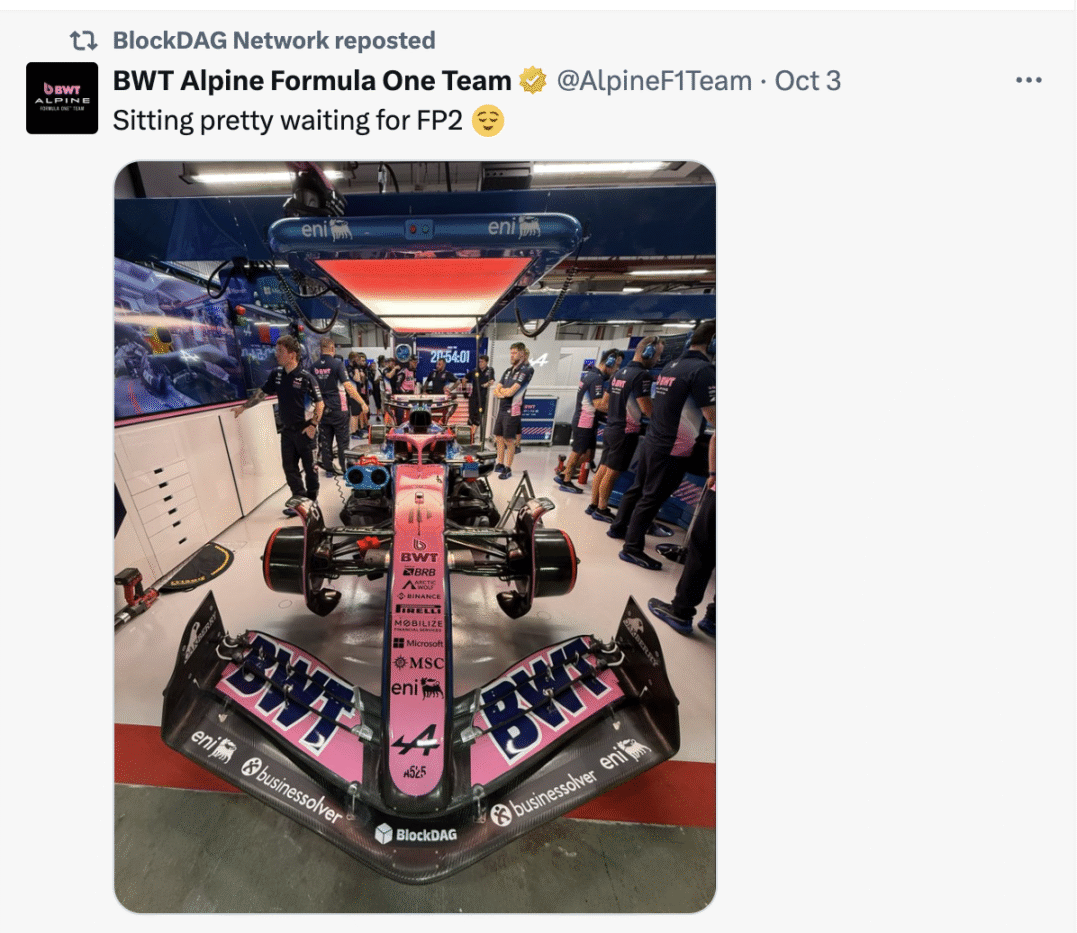
Such partnerships require rigorous due diligence, proof of capital, and long-term commercial viability. Alpine’s endorsement, coupled with CEO Antony Turner’s leadership and fintech background, signals that the project has cleared serious operational hurdles. As Turner put it, “In the next three years, we expect to be up there with the biggest names like Ethereum & Solana.”
Ecosystem Growth and Presale Scale
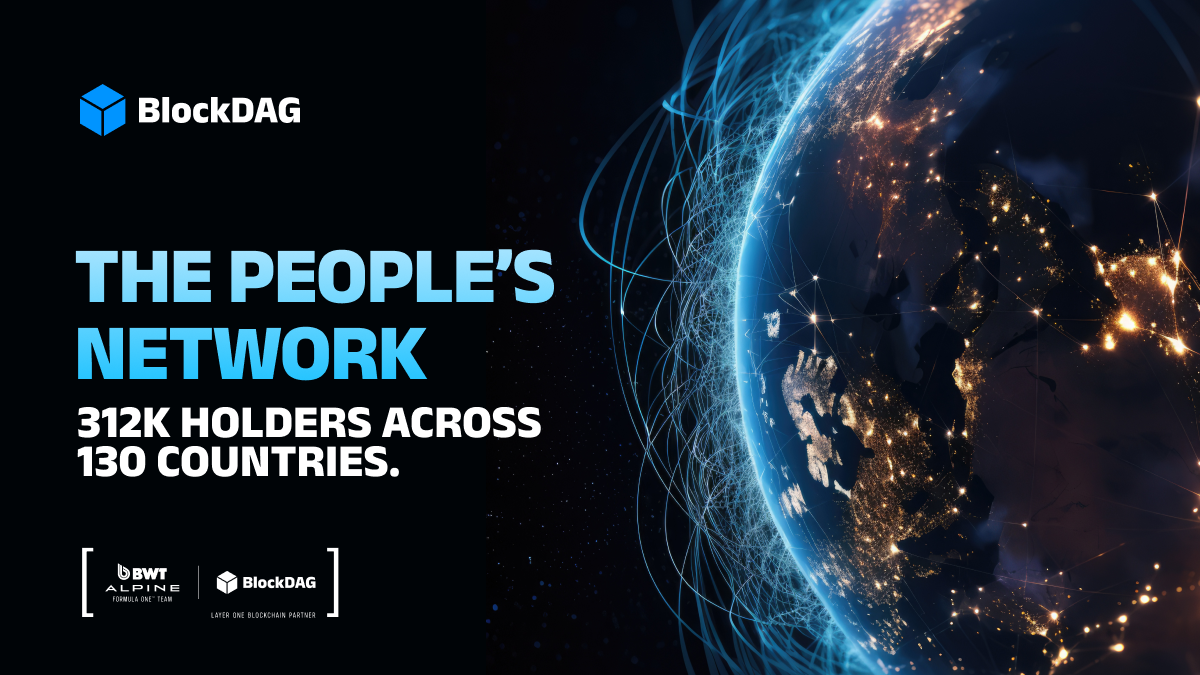
BlockDAG’s ecosystem metrics reinforce its trajectory. The network has more than 3 million X1 mobile miners, 20,000 physical ASIC miners shipped, and 312,000 holders globally. Its presale has already raised $420 million, putting it among the most successful funding rounds in blockchain history.
The current $0.0012 price gives investors entry at a stage that theoretically carries a 3,200% upside to the confirmed $0.05 listing price. For early participants, this is one of the final opportunities to buy into a project that appears both funded and functional — two words rarely applied to presales.
The Case Against: Delivery Risk Remains
Despite strong fundamentals, BlockDAG still faces the same structural risks that accompany all pre-launch networks. Its hybrid DAG + Proof of Work design, while promising, remains largely untested at scale. Competing Layer-1s like Solana and Avalanche required years of live stress testing before reaching stability. Whether BlockDAG’s system can maintain security and speed under real-world pressure is still unknown.
Additionally, the project’s fundraising success could create expectations that are difficult to meet. Managing a $600 million raise requires disciplined treasury governance and sustained developer incentives. If mainnet delays or adoption slows, retail investors could face liquidity pressure when trading begins.
Regulation presents another gray area. The combination of massive presale fundraising, global marketing campaigns, and corporate sponsorships will likely draw attention from regulators in multiple jurisdictions. BlockDAG’s public identity — complete with visible leadership and corporate partnerships — may help, but navigating compliance across regions will be complex and costly.
A Project That Earned Its Spotlight
In an industry where marketing often outpaces delivery, BlockDAG’s approach feels unusually transparent. It has released functioning tools, published audit results, and partnered with an internationally recognized brand — all before listing its token. Those factors make it legitimate in the sense that it is doing the work, not simply raising money.
Still, legitimacy is not the same as inevitability. The next few months will determine whether BlockDAG’s technology can match its narrative. For now, it stands as a rare example of a crypto presale that seems to have substance behind the spectacle — one that could either become a cornerstone of the next cycle or a case study in overextension.
For investors and analysts alike, BlockDAG is not a guaranteed bet — but it is one of the few new projects that merits watching closely.

Presale: https://purchase.blockdag.network
Website: https://blockdag.network
Telegram: https://t.me/blockDAGnetworkOfficial
Discord: https://discord.gg/Q7BxghMVyu
The post The Case for (and Against) BlockDAG: What Makes It Different in a Crowded Layer 1 Field appeared first on Blockonomi.


You May Also Like

Cambodian Parliament Approves New Law Imposing Life Sentences for Crypto Scammers – News Bytes Bitcoin News

Bitcoin Network Dynamics Shift with Plummeting Transaction Fees