The post leaders warn on regulation and AI appeared on BitcoinEthereumNews.com. Uk crypto innovation is under threat, say Nick Clegg and George Osborne, who warned that regulatory inertia and weak political will risk Britain’s digital competitiveness. What are the main risks to uk crypto innovation from regulatory inertia? At the Coinbase Crypto Forum, attendees reported that the two former ministers urged faster action to prevent the UK falling behind in crypto and AI. However, specific quotes remain attendee accounts and have not been published in an official transcript; see contemporaneous reporting by Reuters. How could the UK fall behind in crypto and AI? Regulatory uncertainty pushes firms and capital to more permissive jurisdictions. Consequently, talent, investment and market infrastructure can relocate if rules are unclear or slow to change. What regulatory reforms are being called for (uk crypto regulation reform)? Both speakers and other experts proposed a mix of legal changes and practical safeguards. Key ideas include proportionate licensing, time-limited sandboxes and clearer custody rules to improve market confidence and longevity. What blockchain decentralised technology uk measures were suggested? They highlighted decentralised identity, on-chain transparency and smart-contract compliance as tools to secure an ai powered open internet. In practice, these measures can reduce single‑point failures and raise auditability. Who voiced these concerns (nick clegg crypto views, george osborne crypto critique)? The warnings were linked to Nick Clegg and George Osborne. Clegg — recently engaged in tech policy and formerly Meta’s head of global affairs — reportedly stressed the need for democracies to coordinate digital guardrails. Osborne emphasised reforming mandates so regulators support both protection and innovation. What did they say about past missed opportunities? Osborne reportedly recalled using a Bitcoin ATM in Canary Wharf as an early gesture to back financial innovation. Meanwhile, Clegg acknowledged past domestic policy failures and urged the UK to prioritise digital competitiveness now. How do international… The post leaders warn on regulation and AI appeared on BitcoinEthereumNews.com. Uk crypto innovation is under threat, say Nick Clegg and George Osborne, who warned that regulatory inertia and weak political will risk Britain’s digital competitiveness. What are the main risks to uk crypto innovation from regulatory inertia? At the Coinbase Crypto Forum, attendees reported that the two former ministers urged faster action to prevent the UK falling behind in crypto and AI. However, specific quotes remain attendee accounts and have not been published in an official transcript; see contemporaneous reporting by Reuters. How could the UK fall behind in crypto and AI? Regulatory uncertainty pushes firms and capital to more permissive jurisdictions. Consequently, talent, investment and market infrastructure can relocate if rules are unclear or slow to change. What regulatory reforms are being called for (uk crypto regulation reform)? Both speakers and other experts proposed a mix of legal changes and practical safeguards. Key ideas include proportionate licensing, time-limited sandboxes and clearer custody rules to improve market confidence and longevity. What blockchain decentralised technology uk measures were suggested? They highlighted decentralised identity, on-chain transparency and smart-contract compliance as tools to secure an ai powered open internet. In practice, these measures can reduce single‑point failures and raise auditability. Who voiced these concerns (nick clegg crypto views, george osborne crypto critique)? The warnings were linked to Nick Clegg and George Osborne. Clegg — recently engaged in tech policy and formerly Meta’s head of global affairs — reportedly stressed the need for democracies to coordinate digital guardrails. Osborne emphasised reforming mandates so regulators support both protection and innovation. What did they say about past missed opportunities? Osborne reportedly recalled using a Bitcoin ATM in Canary Wharf as an early gesture to back financial innovation. Meanwhile, Clegg acknowledged past domestic policy failures and urged the UK to prioritise digital competitiveness now. How do international…

leaders warn on regulation and AI

For feedback or concerns regarding this content, please contact us at [email protected]

Uk crypto innovation is under threat, say Nick Clegg and George Osborne, who warned that regulatory inertia and weak political will risk Britain’s digital competitiveness.

What are the main risks to uk crypto innovation from regulatory inertia?

At the Coinbase Crypto Forum, attendees reported that the two former ministers urged faster action to prevent the UK falling behind in crypto and AI.

However, specific quotes remain attendee accounts and have not been published in an official transcript; see contemporaneous reporting by Reuters.

How could the UK fall behind in crypto and AI?

Regulatory uncertainty pushes firms and capital to more permissive jurisdictions. Consequently, talent, investment and market infrastructure can relocate if rules are unclear or slow to change.

What regulatory reforms are being called for (uk crypto regulation reform)?

Both speakers and other experts proposed a mix of legal changes and practical safeguards. Key ideas include proportionate licensing, time-limited sandboxes and clearer custody rules to improve market confidence and longevity.

What blockchain decentralised technology uk measures were suggested?

They highlighted decentralised identity, on-chain transparency and smart-contract compliance as tools to secure an ai powered open internet. In practice, these measures can reduce single‑point failures and raise auditability.

Who voiced these concerns (nick clegg crypto views, george osborne crypto critique)?

The warnings were linked to Nick Clegg and George Osborne. Clegg — recently engaged in tech policy and formerly Meta’s head of global affairs — reportedly stressed the need for democracies to coordinate digital guardrails. Osborne emphasised reforming mandates so regulators support both protection and innovation.

What did they say about past missed opportunities?

Osborne reportedly recalled using a Bitcoin ATM in Canary Wharf as an early gesture to back financial innovation. Meanwhile, Clegg acknowledged past domestic policy failures and urged the UK to prioritise digital competitiveness now.

How do international models like the china digital sovereignty model influence UK policy?

Clegg warned that the China digital sovereignty model—which favours state control of data and platforms—could be exported. By contrast, decentralised technologies can buttress an open internet, provided democracies build interoperable guardrails together.

What should policymakers and businesses do next (financial regulators innovation mandate)?

Practical steps include embedding an innovation mandate into regulators’ objectives, launching fast-track sandboxes and adopting interoperability standards. Startups should engage regulators early, strengthen custody practices and run regular security audits.

For broader context, see our coverage on Cryptonomist: Bitcoin coverage, blockchain decentralisation, and pieces on an AI-powered open internet. Regulatory frameworks across Europe are summarised by ESMA: ESMA — MiCA.

Practical experience: Firms we advise report that early, documented engagement with supervisors shortens approval cycles and reduces compliance costs.

Moreover, pilots that combine strong consumer protections with escrowed custody often attract institutional partners faster. Finally, budgeting for quarterly third‑party audits and segmented cold storage measurably lowers operational risk.

Authoritative quote: As ESMA notes, “The Markets in Crypto-Assets Regulation (MiCA) aims to provide legal certainty for crypto-assets across the EU,” which illustrates why legal clarity matters for market growth (ESMA).

These reports are based on attendee accounts and secondary reporting; we will update the story if official transcripts or press statements are released.

Source: https://en.cryptonomist.ch/2025/10/15/uk-crypto-innovation-risk-leaders-warn-regulation-ai/
Market Opportunity
null Logo
null Price(null)
--
----
USD
null (null) Live Price Chart
Disclaimer: The articles reposted on this site are sourced from public platforms and are provided for informational purposes only. They do not necessarily reflect the views of MEXC. All rights remain with the original authors. If you believe any content infringes on third-party rights, please contact [email protected] for removal. MEXC makes no guarantees regarding the accuracy, completeness, or timeliness of the content and is not responsible for any actions taken based on the information provided. The content does not constitute financial, legal, or other professional advice, nor should it be considered a recommendation or endorsement by MEXC.

You May Also Like

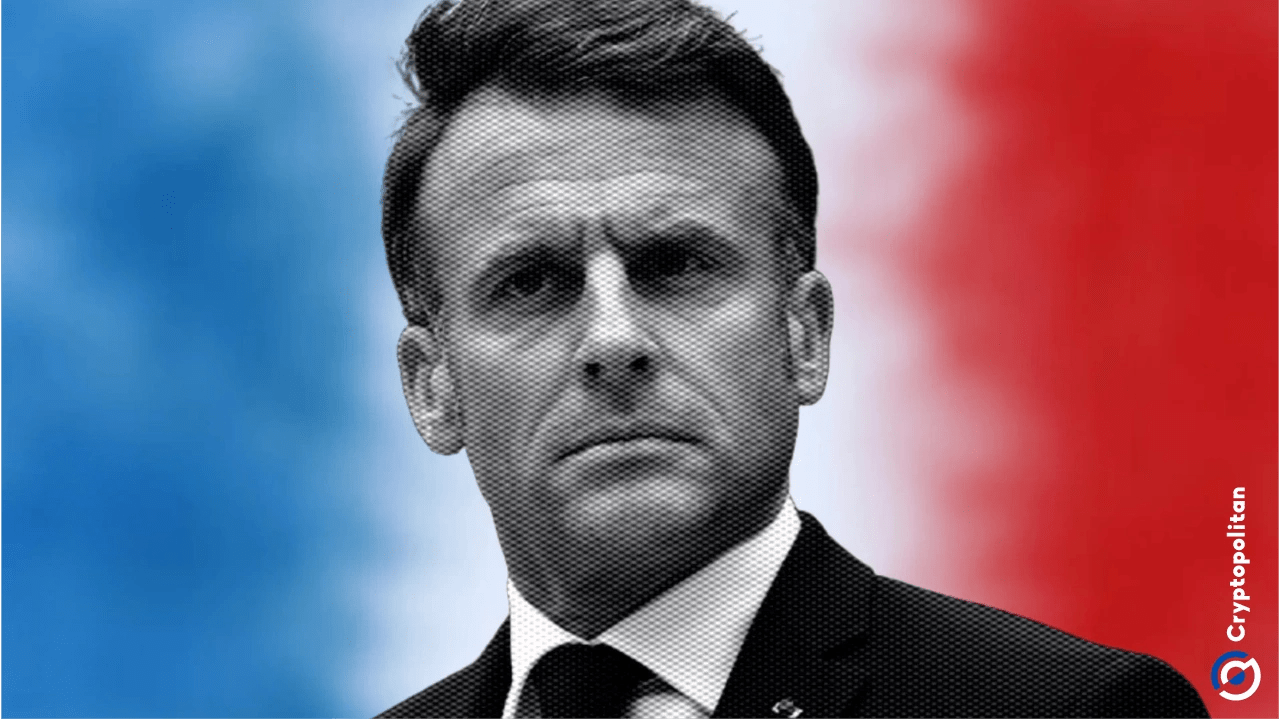
France’s Macron says UN snapback sanctions on Iran coming in a week

France’s Macron says UN snapback sanctions on Iran coming in a week

The post France’s Macron says UN snapback sanctions on Iran coming in a week appeared on BitcoinEthereumNews.com. French President Emmanuel Macron told Israel’s Channel 12 on Thursday that United Nations sanctions on Iran will be back in force at the end of September. Asked directly if the sanctions were a “done deal,” Macron replied, “Yes, I think so. Because the latest news we have from the Iranians are not serious.” Macron then explained that Iran’s foreign minister Abbas Araghchi “tried to make a reasonable offer” to European leaders, but his plan lacked support from others inside the Iranian leadership. On Wednesday, Iran gave Britain, Germany, and France a proposal aimed at avoiding sanctions. European leaders advance snapback mechanism Axios had reported that a draft resolution to extend the suspension of sanctions was circulated at the UN Security Council on Thursday, with a vote planned for Friday. But the draft is unlikely to pass, meaning the snapback mechanism would move forward, restoring sanctions on Iran come September 27. Britain, France, and Germany triggered the snapback process on August 28 under Resolution 2231. They demanded Iran return to negotiations, allow wider inspections, and explain missing uranium stockpiles. Araghchi warned last week that if sanctions return, “they will be excluded from nuclear negotiations with the Islamic Republic.” Oil prices showed little reaction to the political drama. Brent crude slipped 1 cent to $67.43 per barrel, and U.S. West Texas Intermediate dipped 4 cents to $63.53. Both benchmarks remained on track for a second week of gains, even as the U.S. Federal Reserve cut interest rates. The E3 offered to delay the sanctions for six months if Iran allowed inspectors from the International Atomic Energy Agency back into nuclear facilities and opened talks with Washington. Inspectors also sought answers about Iran’s enriched uranium stocks, which remain uncertain since Israeli and U.S. strikes hit Iranian nuclear sites in June. Germany warns sanctions…
Share
BitcoinEthereumNews2025/09/19 12:31
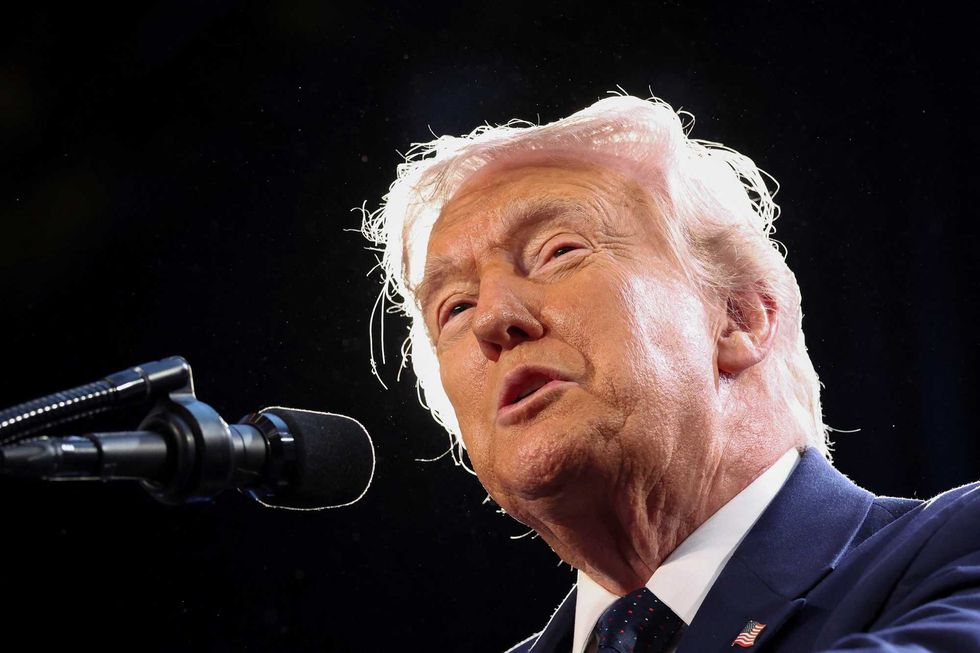
This is Trump's tell that all isn't well

This is Trump's tell that all isn't well

Years ago, I was drinking with friends in a dive bar with a jukebox. I went over, quarters in hand, and noticed “It’s the Same Old Song” by the Four Tops, sitting
Share
Rawstory2026/03/10 17:30
Pudgy Penguins (PENGU) Price: Token Rises 9% After Pudgy World Game Launch

Pudgy Penguins (PENGU) Price: Token Rises 9% After Pudgy World Game Launch

TLDR Pudgy Penguins launched Pudgy World, a browser-based game with 12 towns, quests, and mini-games The PENGU token rose around 9% following the launch announcement
Share
Coincentral2026/03/10 17:22