

Coinbase calls on US regulators to use AI and blockchain in tackling crypto fraud
Coinbase has urged the US government to consider adopting blockchain analytics, AI, and other emerging technologies to address financial crime in the cryptocurrency sector effectively.
This appeal was made public after the Treasury Department requested feedback on suitable ways to combat illegal activities in the crypto sector.
Regarding the situation, Paul Grewal, the Chief Legal Officer of Coinbase, wrote a letter dated Friday, October 17, and then shared an X post on Monday, October 20, stating that money laundering methods have become more sophisticated due to the advent of new technologies. To solve this, Grewal called law enforcement to adopt these technologies to fight against these dangers.
Grewal calls on the US government to use cutting-edge technologies
Earlier, Coinbase’s chief legal officer highlighted that blockchain and other cutting-edge technologies are essential in addressing emerging dangers in the crypto ecosystem. Therefore, he urged that the Treasury and other policymakers should encourage their use to identify and stop illegal activities.
“This would align with a primary objective of the Anti-Money Laundering Act of 2020, which aimed to update the Bank Secrecy Act,” he continued.
Faryar Shirzad, a Chief Policy Officer, weighed in on the topic of discussion. In an X post, Shirzad greatly supported Grewal’s view, arguing that the US government needs to draw inspiration from crypto exchanges by utilizing reliable digital tools, such as AI, APIs, digital IDs, and blockchain analytics, to update and improve its anti-money laundering efforts.
As one of Grewal’s several recommendations for the Treasury, he wants the government department to consider establishing a special rule under the Bank Secrecy Act for businesses that use AI and Application Programming Interfaces (APIs) driven monitoring tools.
In a follow-up post on X on Monday this week, he mentioned that the criteria for that safe harbor should focus on governance and outcomes instead of applying a one-size-fits-all approach.
Coinbase’s chief legal officer made these remarks after he observed that companies have been hesitant to fully use AI in anti-money laundering efforts because of unclear regulations in place. He also expressed that APIs face challenges like inconsistent standards and regulatory differences.
Hence, Grewal suggests that offering clear guidelines on acceptable use cases would be beneficial. This is because it would clearly define data privacy requirements and standards for interoperability, boosting the confidence of firms to adopt and integrate APIs into their systems.
The Treasury’s recommended guidelines sparks controversy in the crypto ecosystem
Coinbase’s chief legal officer also wants the Treasury to provide guidelines that acknowledge and encourage the use of decentralized IDs and zero-knowledge proofs as legitimate forms of customer verification, in addition to blockchain analytics clustering for compliance with anti-money laundering laws.
This recommendation was made after Grewal noted that the new guidance should encourage the sharing of information related to potential illicit activities involving blockchains, while ensuring that those involved in a blockchain transaction are not dealing with too much record-keeping.
Meanwhile, in its notice dated August 18, the US Treasury had asked the public for comments on innovative methods to identify crypto-related illegal activities as required by the GENIUS Act.
Jim Harper, a non-resident Senior Fellow at the American Enterprise Institute, shared a different perspective. He argued that a system should be established for communication, enabling law enforcement agencies to ask crypto firms for details required in their investigations directly.
If you're reading this, you’re already ahead. Stay there with our newsletter.


You May Also Like
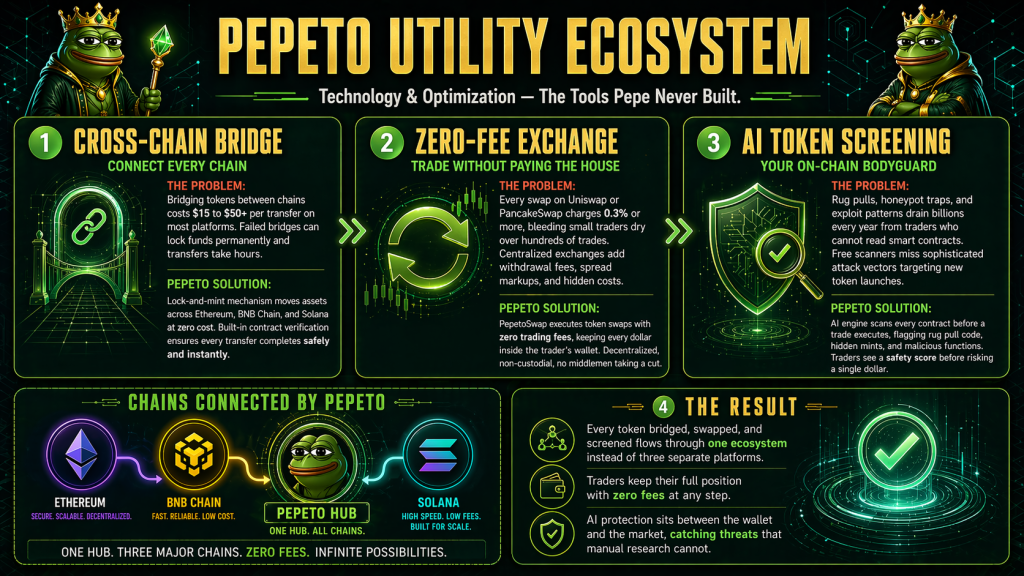
Which Are the Top 3 Cryptos to Buy Now as Solana Lands Mastercard and Pepeto Presale Nears Sold-Out Close
Ondas (ONDS) Stock Soars After Revenue Explodes Over 1,000% in Q1 2026




