

True Autonomy: The Key to Machines Truly Belonging to Us

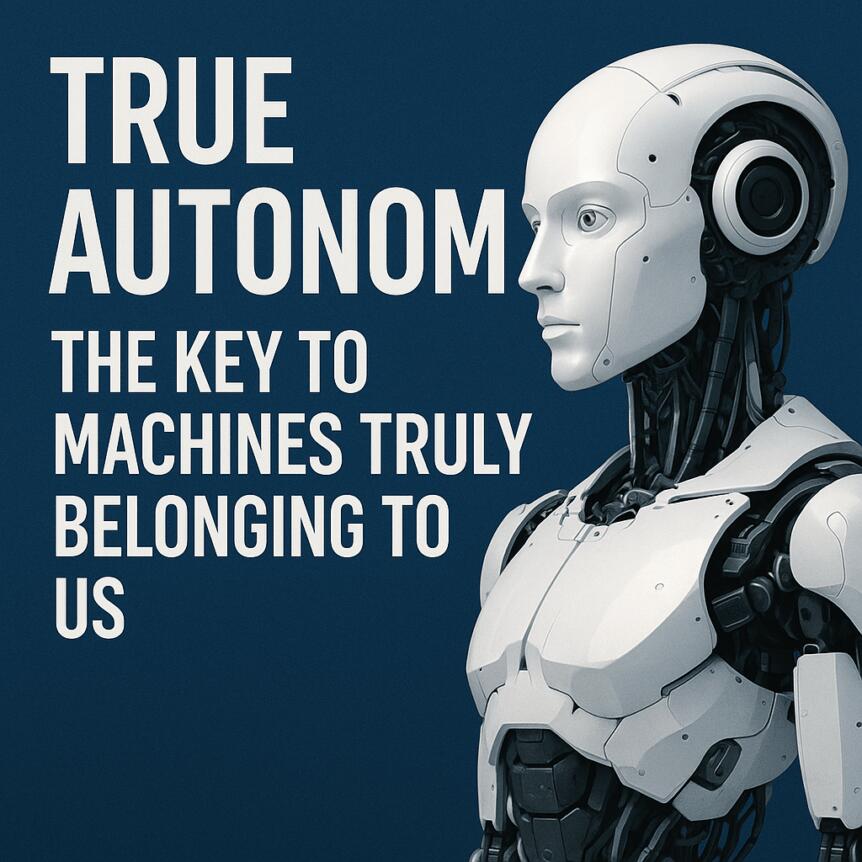
The integration of humanoid robots into everyday environments marks a significant milestone in the advancement of artificial intelligence and robotics. Companies like 1X Technologies are unveiling machines such as Neo, a humanoid robot designed for home assistance, sparking discussions about the potential, limitations, and ethical considerations of AI-powered personal assistants. As these devices become more prevalent, key questions surrounding privacy, autonomy, and the evolving relationship between humans and machines take center stage.
- Neo, a humanoid robot from 1X Technologies, aims to serve as a home assistant but relies heavily on teleoperation and human oversight.
- Applications of humanoid robots could significantly impact elder care, but raising concerns about privacy, emotional understanding, and data security.
- The shift toward consumer robots necessitates addressing trust, capability, and how these machines interpret human intent and emotion.
- True progress in embodied AI requires advances in multimodal perception, understanding context, and safeguarding personal data.
- Society must redefine comfort zones with robots, balancing their benefits in caregiving and assistance with the risks of surveillance and loss of personal privacy.
The rise of the robots
When 1X Technologies unveiled Neo, a sleek humanoid robot marketed as the first home-ready robot, headlines quickly followed. Priced around $20,000, Neo promises to assist with chores like cleaning, carrying, and even learning new tasks. While the concept is compelling—an AI companion capable of easing daily routines—the reality is that Neo’s capabilities are still rooted in teleoperation. Human operators guide many of its functions in real time to navigate environments and handle objects.
This approach allows AI systems to learn through imitation and reinforcement, but it raises critical issues about privacy and data ownership. The personal information that Neo collects—such as video, audio, and movement patterns—remains accessible to its controlling system, making it less autonomous and more a tool connected to external servers.
The potential and limits of humanoid robots
Humanoid robots could revolutionize elder care, helping seniors with daily activities, providing companionship, or monitoring health. Pilots in Japan, South Korea, and parts of Europe are already testing these applications. However, the line between assistance and genuine emotional care is delicate. Robots can sense physiological signals but lack true understanding of context or emotion, raising concerns about the privacy and security of data—particularly if it’s not stored locally and encrypted.
As these machines become more integrated into private spaces, questions about trust and responsibility intensify. The goal is for AI to balance helpfulness with discretion, ensuring personal data remains under user control rather than being exploited or misused.
The path to true autonomy
Achieving advanced embodied AI requires leaps not only in perception but in reasoning, emotional comprehension, and contextual understanding. Robots need to interpret not just commands but also human tone, environment, and nuance—elements essential for safe and ethical interactions. Progress hinges on breakthroughs in multimodal perception and data protection, ensuring that personal information is owned and safeguarded by users.
Until robots can grasp the why behind actions and adapt accordingly, human oversight remains necessary, especially in sensitive environments like caregiving. The future of AI-powered home robots depends on trustworthy, private, and empathetic technology that bridges the gap between assistance and companionship.
Reimagining our relationship with machines
For humanoid robots to become everyday fixtures, society must redefine its comfort with living alongside machines that see, hear, and understand us more intimately than before. While their potential to support aging populations, reduce caregiver burdens, and combat social isolation is promising, these benefits come with risks. The possibility of surveillance, data breaches, or loss of personal privacy underscores the importance of local, encrypted operation and autonomous decision-making capabilities.
Until robots can effectively interpret attention and compassion—a core component of caregiving—their role will remain supportive rather than substitutive. They are valuable tools guided by human oversight, not autonomous agents capable of genuine emotional understanding. The future of living with AI hinges on developing trustworthy, ethically designed machines that truly serve human needs without infringing on personal rights.
Opinion by: David Tomasian, CEO of Curious.
This article is for general informational purposes only and does not constitute legal or investment advice. The views expressed are solely those of the author and do not necessarily reflect the views of the publication.
This article was originally published as True Autonomy: The Key to Machines Truly Belonging to Us on Crypto Breaking News – your trusted source for crypto news, Bitcoin news, and blockchain updates.


You May Also Like

Red state lawmaker warns something ominous hiding behind Supreme Court's 'five alarm fire'

One Of Frank Sinatra’s Most Famous Albums Is Back In The Spotlight




