The post Ripple’s Banking Charter Could Send XRP to $10 ‘In No Time,’ Igniting Institutional Demand ⋆ ZyCrypto appeared on BitcoinEthereumNews.com. Advertisement &nbsp &nbsp Ripple’s latest move has the financial world talking. The company’s application for a U.S. national banking charter entered public review, igniting debate over what it could mean for the future of blockchain-driven payments. Industry watchers noted that Ripple’s name now appears in the Office of the Comptroller of the Currency (OCC) registry under “Ripple National Trust Bank.” Analysts said this development could carry major implications—not only for the company, but also for XRP, the digital token that underpins Ripple’s global payment network. Many in the sector viewed the step as a sign that blockchain technology was edging closer to mainstream finance. Others suggested it could mark a pivotal moment in the long-awaited convergence between digital assets and traditional banking oversight. Ripple’s Banking Charter and What It Means Ripple CEO Brad Garlinghouse announced the charter application in July 2025. The OCC later confirmed it was reviewing the filing.  Advertisement &nbsp If approved, Ripple would operate as a national trust bank, subject to direct federal supervision and granted the authority to provide custody and settlement services for both digital and traditional assets. The OCC typically takes about 120 days to review such applications, suggesting an initial decision window around October 2025.  Federal oversight would place Ripple in the same regulatory framework as traditional financial institutions, improving trust among banks and asset managers that have so far hesitated to adopt blockchain-based solutions due to compliance concerns. A charter could enable Ripple to hold RLUSD reserves directly at the Federal Reserve, providing transparency and strengthening its position in U.S. financial markets. Together, these factors could reinforce XRP’s role as a bridge asset for cross-border payments and institutional liquidity. The Case for XRP at $10 The prediction that XRP could climb to ten dollars rested on the belief that Ripple’s… The post Ripple’s Banking Charter Could Send XRP to $10 ‘In No Time,’ Igniting Institutional Demand ⋆ ZyCrypto appeared on BitcoinEthereumNews.com. Advertisement &nbsp &nbsp Ripple’s latest move has the financial world talking. The company’s application for a U.S. national banking charter entered public review, igniting debate over what it could mean for the future of blockchain-driven payments. Industry watchers noted that Ripple’s name now appears in the Office of the Comptroller of the Currency (OCC) registry under “Ripple National Trust Bank.” Analysts said this development could carry major implications—not only for the company, but also for XRP, the digital token that underpins Ripple’s global payment network. Many in the sector viewed the step as a sign that blockchain technology was edging closer to mainstream finance. Others suggested it could mark a pivotal moment in the long-awaited convergence between digital assets and traditional banking oversight. Ripple’s Banking Charter and What It Means Ripple CEO Brad Garlinghouse announced the charter application in July 2025. The OCC later confirmed it was reviewing the filing.  Advertisement &nbsp If approved, Ripple would operate as a national trust bank, subject to direct federal supervision and granted the authority to provide custody and settlement services for both digital and traditional assets. The OCC typically takes about 120 days to review such applications, suggesting an initial decision window around October 2025.  Federal oversight would place Ripple in the same regulatory framework as traditional financial institutions, improving trust among banks and asset managers that have so far hesitated to adopt blockchain-based solutions due to compliance concerns. A charter could enable Ripple to hold RLUSD reserves directly at the Federal Reserve, providing transparency and strengthening its position in U.S. financial markets. Together, these factors could reinforce XRP’s role as a bridge asset for cross-border payments and institutional liquidity. The Case for XRP at $10 The prediction that XRP could climb to ten dollars rested on the belief that Ripple’s…

Ripple’s Banking Charter Could Send XRP to $10 ‘In No Time,’ Igniting Institutional Demand ⋆ ZyCrypto

For feedback or concerns regarding this content, please contact us at [email protected]
Advertisement

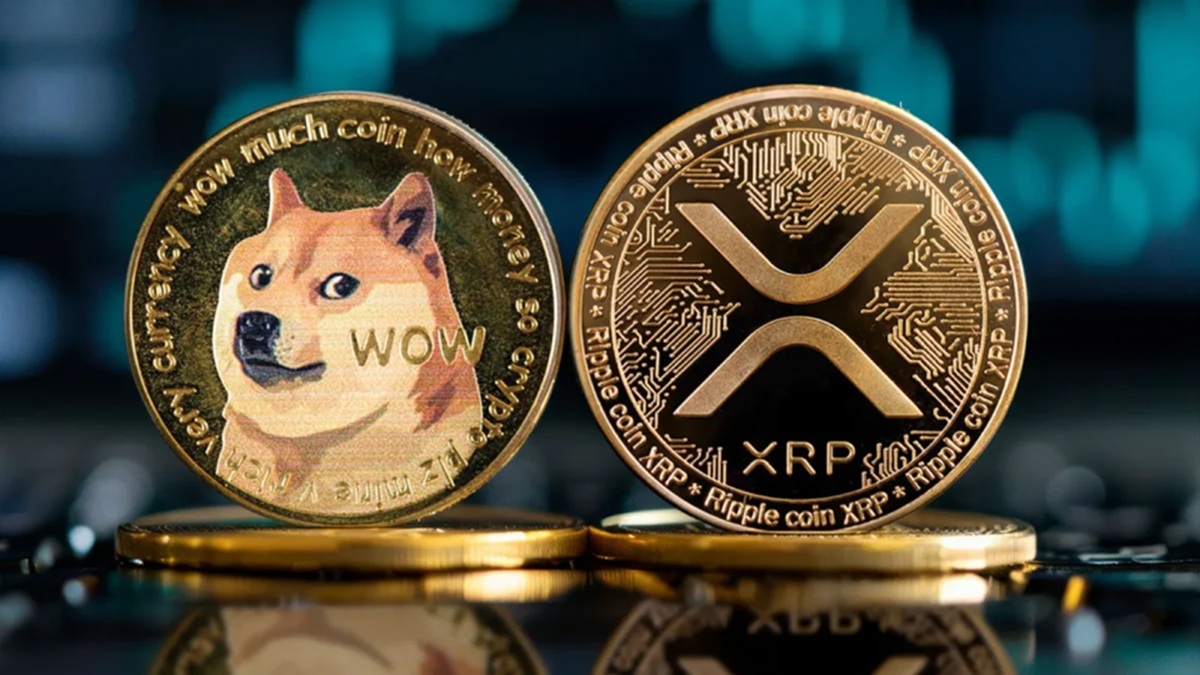
Ripple’s latest move has the financial world talking. The company’s application for a U.S. national banking charter entered public review, igniting debate over what it could mean for the future of blockchain-driven payments.

Industry watchers noted that Ripple’s name now appears in the Office of the Comptroller of the Currency (OCC) registry under “Ripple National Trust Bank.”

Analysts said this development could carry major implications—not only for the company, but also for XRP, the digital token that underpins Ripple’s global payment network.

Many in the sector viewed the step as a sign that blockchain technology was edging closer to mainstream finance. Others suggested it could mark a pivotal moment in the long-awaited convergence between digital assets and traditional banking oversight.

Ripple’s Banking Charter and What It Means

Ripple CEO Brad Garlinghouse announced the charter application in July 2025. The OCC later confirmed it was reviewing the filing. 

Advertisement


If approved, Ripple would operate as a national trust bank, subject to direct federal supervision and granted the authority to provide custody and settlement services for both digital and traditional assets.

The OCC typically takes about 120 days to review such applications, suggesting an initial decision window around October 2025. 

Federal oversight would place Ripple in the same regulatory framework as traditional financial institutions, improving trust among banks and asset managers that have so far hesitated to adopt blockchain-based solutions due to compliance concerns.

A charter could enable Ripple to hold RLUSD reserves directly at the Federal Reserve, providing transparency and strengthening its position in U.S. financial markets.

Together, these factors could reinforce XRP’s role as a bridge asset for cross-border payments and institutional liquidity.

The Case for XRP at $10

The prediction that XRP could climb to ten dollars rested on the belief that Ripple’s proposed banking charter would ignite institutional demand.

Analysts noted that limited supply, clearer regulation, and increased network use could all contribute to pushing prices higher.

They explained that XRP’s total supply was fixed, meaning scarcity could become a driving force if banks and corporations began using the token as a liquidity tool for international payments. Such adoption, they said, would likely create steady upward pressure on its value.

The potential charter, according to market experts, would also eliminate one of the biggest obstacles to large-scale participation—regulatory uncertainty. With official oversight in place, institutional players could finally engage with greater confidence.

In addition, wider use of Ripple’s payment network might generate powerful network effects, increasing both XRP’s utility and trading volumes.

While opinions varied on the likelihood of that scenario, most agreed that Ripple’s charter application represented a defining moment.

Source: https://zycrypto.com/ripples-banking-charter-could-send-xrp-to-10-in-no-time-igniting-institutional-demand/

Market Opportunity
Suilend Logo
Suilend Price(SEND)
$0,10031
$0,10031$0,10031
-0,31%
USD
Suilend (SEND) Live Price Chart
Disclaimer: The articles reposted on this site are sourced from public platforms and are provided for informational purposes only. They do not necessarily reflect the views of MEXC. All rights remain with the original authors. If you believe any content infringes on third-party rights, please contact [email protected] for removal. MEXC makes no guarantees regarding the accuracy, completeness, or timeliness of the content and is not responsible for any actions taken based on the information provided. The content does not constitute financial, legal, or other professional advice, nor should it be considered a recommendation or endorsement by MEXC.
Tags:

You May Also Like

And the Big Day Has Arrived: The Anticipated News for XRP and Dogecoin Tomorrow

And the Big Day Has Arrived: The Anticipated News for XRP and Dogecoin Tomorrow

The first-ever ETFs for XRP and Dogecoin are expected to launch in the US tomorrow. Here's what you need to know. Continue Reading: And the Big Day Has Arrived: The Anticipated News for XRP and Dogecoin Tomorrow
Share
Coinstats2025/09/18 04:33
Swiss Franc Intervention: Critical Analysis of SNB’s 2025 Policy and Safe-Haven Resilience

Swiss Franc Intervention: Critical Analysis of SNB’s 2025 Policy and Safe-Haven Resilience

BitcoinWorld Swiss Franc Intervention: Critical Analysis of SNB’s 2025 Policy and Safe-Haven Resilience ZURICH, March 2025 – The Swiss National Bank faces mounting
Share
bitcoinworld2026/03/16 23:10
Cashing In On University Patents Means Giving Up On Our Innovation Future

Cashing In On University Patents Means Giving Up On Our Innovation Future

The post Cashing In On University Patents Means Giving Up On Our Innovation Future appeared on BitcoinEthereumNews.com. “It’s a raid on American innovation that would deliver pennies to the Treasury while kneecapping the very engine of our economic and medical progress,” writes Pipes. Getty Images Washington is addicted to taxing success. Now, Commerce Secretary Howard Lutnick is floating a plan to skim half the patent earnings from inventions developed at universities with federal funding. It’s being sold as a way to shore up programs like Social Security. In reality, it’s a raid on American innovation that would deliver pennies to the Treasury while kneecapping the very engine of our economic and medical progress. Yes, taxpayer dollars support early-stage research. But the real payoff comes later—in the jobs created, cures discovered, and industries launched when universities and private industry turn those discoveries into real products. By comparison, the sums at stake in patent licensing are trivial. Universities collectively earn only about $3.6 billion annually in patent income—less than the federal government spends on Social Security in a single day. Even confiscating half would barely register against a $6 trillion federal budget. And yet the damage from such a policy would be anything but trivial. The true return on taxpayer investment isn’t in licensing checks sent to Washington, but in the downstream economic activity that federally supported research unleashes. Thanks to the bipartisan Bayh-Dole Act of 1980, universities and private industry have powerful incentives to translate early-stage discoveries into real-world products. Before Bayh-Dole, the government hoarded patents from federally funded research, and fewer than 5% were ever licensed. Once universities could own and license their own inventions, innovation exploded. The result has been one of the best returns on investment in government history. Since 1996, university research has added nearly $2 trillion to U.S. industrial output, supported 6.5 million jobs, and launched more than 19,000 startups. Those companies pay…
Share
BitcoinEthereumNews2025/09/18 03:26