The Bank of England unveiled proposals for a regulatory regime governing sterling-denominated stablecoins, introducing temporary limits of £20,000 for individuals and £10 million for businesses holding systemic stablecoins. Deputy Governor Sarah Breeden defended the restrictions as necessary to prevent rapid deposit outflows from commercial banks that could threaten credit availability, while promising that the caps would be removed once the transition no longer posed a risk to the UK economy.Deputy Governor of the Bank of England | Source: Reuters Earlier today, a “Proposed regulatory regime for sterling-denominated systemic stablecoins” consultation paper was released. The consultation paper marks a significant step toward establishing Britain’s framework for digital assets that pose potential risks to financial stability. While Breeden insisted the UK regime would be operational “just as quickly as the US,” industry executives criticized the holding limits as overly cautious compared to America’s approach under the GENIUS Act, which established federal stablecoin regulation without ownership caps. Regulatory Framework Balances Innovation With Stability Concerns The proposed regime applies to systemic stablecoins, those widely used in payments that could impact UK financial stability, and will see joint oversight by the Bank of England for prudential matters and the Financial Conduct Authority for consumer protection. The Bank substantially revised its initial 2023 proposal, now permitting issuers to hold up to 60% of backing assets in short-term UK government debt securities while maintaining at least 40% in unremunerated Bank of England deposits. Capital requirements follow international standards, with issuers needing reserves equal to either the cost of recovery from the largest plausible loss event or six months of operating expenses. Statutory reserves placed on trust for coinholders will cover both financial risk from holding sovereign debt and insolvency costs, ensuring redemption requests are honored by the end of each business day. Industry Backlash Intensifies Over Restrictive Approach The proposed caps have triggered fierce criticism from crypto advocates, who view the measures as counterproductive. “This proposal only enforces caps on holdings in the more ‘systemic’ stablecoins most likely used for payments,” Laurence wrote on X. “It means I will be compelled to move my on-chain funds into something further out the risk curve. It is their safety they are concerned about, not yours.“ Another user, known as Stani.eth, called the approach “absurd,” arguing that “stablecoins issued onchain do not pose greater risks than traditional electronic money issued on more fragile electronic databases.” Meanwhile, Grant announced his departure from Britain, stating “i’m leaving the UK this Friday for good. I just don’t trust them to fix it as they’re all highly incompetent and believe taxing their way out of the problem is the only solution.“ Strider labeled the proposal “draconian,” warning that “proposed regulations like this is keeping a cap on the European crypto world.” Tom Duff Gordon, Vice President of International Policy at Coinbase, has also previously told the Financial Times that “imposing caps on stablecoins is bad for UK savers, bad for the City and bad for sterling,” noting no other major jurisdiction deemed such limits necessary. Mortgage Market Differences Drive Cautious Stance Breeden explained that the holding limits stem from fundamental differences between British and American credit markets, where UK consumers obtain mortgages from commercial banks rather than government-sponsored enterprises. “People in the UK get their mortgages from commercial banks, and so that issue that we talked about, about the need for limits as we transition to a world of stablecoins, is one that is less pertinent to the US regime,” she said at a London conference on Wednesday. Despite promises that caps remain temporary, the consultation paper provides no timeline for when limits would be lifted. The global stablecoin market has expanded beyond $305 billion, yet sterling-pegged tokens remain negligible at just $1.65M compared to $511 million in euro-linked stablecoins, according to DeFiLlama data.Source: DeFiLlama The Bank expects to finalize regulations by year’s endThe Bank of England unveiled proposals for a regulatory regime governing sterling-denominated stablecoins, introducing temporary limits of £20,000 for individuals and £10 million for businesses holding systemic stablecoins. Deputy Governor Sarah Breeden defended the restrictions as necessary to prevent rapid deposit outflows from commercial banks that could threaten credit availability, while promising that the caps would be removed once the transition no longer posed a risk to the UK economy.Deputy Governor of the Bank of England | Source: Reuters Earlier today, a “Proposed regulatory regime for sterling-denominated systemic stablecoins” consultation paper was released. The consultation paper marks a significant step toward establishing Britain’s framework for digital assets that pose potential risks to financial stability. While Breeden insisted the UK regime would be operational “just as quickly as the US,” industry executives criticized the holding limits as overly cautious compared to America’s approach under the GENIUS Act, which established federal stablecoin regulation without ownership caps. Regulatory Framework Balances Innovation With Stability Concerns The proposed regime applies to systemic stablecoins, those widely used in payments that could impact UK financial stability, and will see joint oversight by the Bank of England for prudential matters and the Financial Conduct Authority for consumer protection. The Bank substantially revised its initial 2023 proposal, now permitting issuers to hold up to 60% of backing assets in short-term UK government debt securities while maintaining at least 40% in unremunerated Bank of England deposits. Capital requirements follow international standards, with issuers needing reserves equal to either the cost of recovery from the largest plausible loss event or six months of operating expenses. Statutory reserves placed on trust for coinholders will cover both financial risk from holding sovereign debt and insolvency costs, ensuring redemption requests are honored by the end of each business day. Industry Backlash Intensifies Over Restrictive Approach The proposed caps have triggered fierce criticism from crypto advocates, who view the measures as counterproductive. “This proposal only enforces caps on holdings in the more ‘systemic’ stablecoins most likely used for payments,” Laurence wrote on X. “It means I will be compelled to move my on-chain funds into something further out the risk curve. It is their safety they are concerned about, not yours.“ Another user, known as Stani.eth, called the approach “absurd,” arguing that “stablecoins issued onchain do not pose greater risks than traditional electronic money issued on more fragile electronic databases.” Meanwhile, Grant announced his departure from Britain, stating “i’m leaving the UK this Friday for good. I just don’t trust them to fix it as they’re all highly incompetent and believe taxing their way out of the problem is the only solution.“ Strider labeled the proposal “draconian,” warning that “proposed regulations like this is keeping a cap on the European crypto world.” Tom Duff Gordon, Vice President of International Policy at Coinbase, has also previously told the Financial Times that “imposing caps on stablecoins is bad for UK savers, bad for the City and bad for sterling,” noting no other major jurisdiction deemed such limits necessary. Mortgage Market Differences Drive Cautious Stance Breeden explained that the holding limits stem from fundamental differences between British and American credit markets, where UK consumers obtain mortgages from commercial banks rather than government-sponsored enterprises. “People in the UK get their mortgages from commercial banks, and so that issue that we talked about, about the need for limits as we transition to a world of stablecoins, is one that is less pertinent to the US regime,” she said at a London conference on Wednesday. Despite promises that caps remain temporary, the consultation paper provides no timeline for when limits would be lifted. The global stablecoin market has expanded beyond $305 billion, yet sterling-pegged tokens remain negligible at just $1.65M compared to $511 million in euro-linked stablecoins, according to DeFiLlama data.Source: DeFiLlama The Bank expects to finalize regulations by year’s end

Bank of England Proposes £20,000 Cap on Stablecoin Holdings

2025/11/10 19:28
4 min read
For feedback or concerns regarding this content, please contact us at [email protected]

The Bank of England unveiled proposals for a regulatory regime governing sterling-denominated stablecoins, introducing temporary limits of £20,000 for individuals and £10 million for businesses holding systemic stablecoins.

Deputy Governor Sarah Breeden defended the restrictions as necessary to prevent rapid deposit outflows from commercial banks that could threaten credit availability, while promising that the caps would be removed once the transition no longer posed a risk to the UK economy.
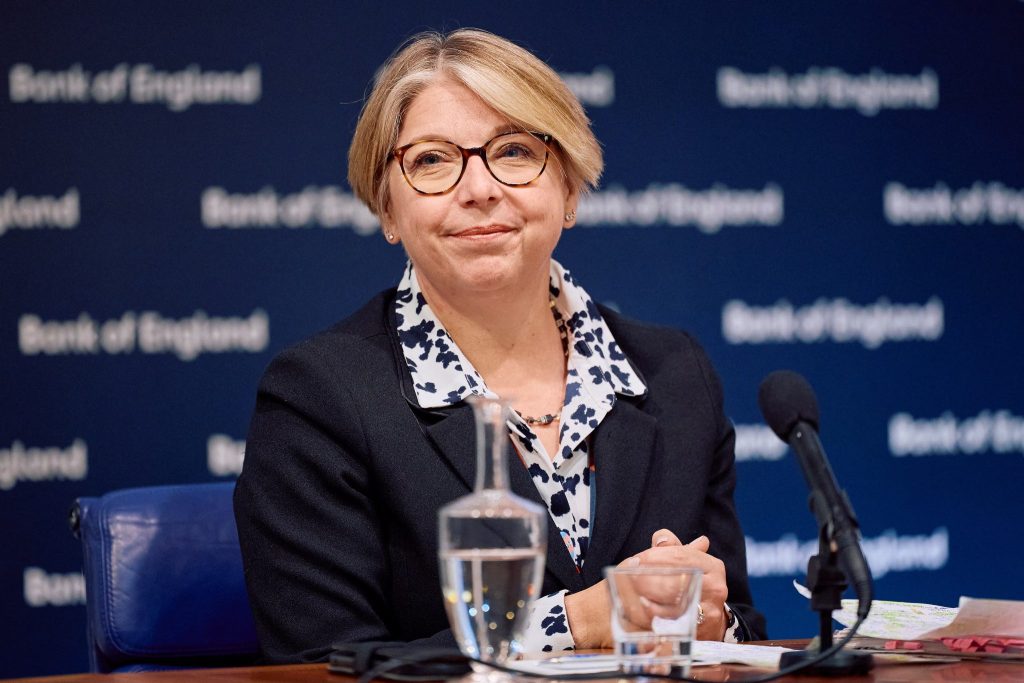
Bank of England Proposes £20,000 Cap on Stablecoin HoldingsDeputy Governor of the Bank of England | Source: Reuters

Earlier today, a “Proposed regulatory regime for sterling-denominated systemic stablecoins” consultation paper was released.

The consultation paper marks a significant step toward establishing Britain’s framework for digital assets that pose potential risks to financial stability.

While Breeden insisted the UK regime would be operational “just as quickly as the US,” industry executives criticized the holding limits as overly cautious compared to America’s approach under the GENIUS Act, which established federal stablecoin regulation without ownership caps.

Regulatory Framework Balances Innovation With Stability Concerns

The proposed regime applies to systemic stablecoins, those widely used in payments that could impact UK financial stability, and will see joint oversight by the Bank of England for prudential matters and the Financial Conduct Authority for consumer protection.

The Bank substantially revised its initial 2023 proposal, now permitting issuers to hold up to 60% of backing assets in short-term UK government debt securities while maintaining at least 40% in unremunerated Bank of England deposits.

Capital requirements follow international standards, with issuers needing reserves equal to either the cost of recovery from the largest plausible loss event or six months of operating expenses.

Statutory reserves placed on trust for coinholders will cover both financial risk from holding sovereign debt and insolvency costs, ensuring redemption requests are honored by the end of each business day.

Industry Backlash Intensifies Over Restrictive Approach

The proposed caps have triggered fierce criticism from crypto advocates, who view the measures as counterproductive.

This proposal only enforces caps on holdings in the more ‘systemic’ stablecoins most likely used for payments,” Laurence wrote on X.

It means I will be compelled to move my on-chain funds into something further out the risk curve. It is their safety they are concerned about, not yours.

Another user, known as Stani.eth, called the approach “absurd,” arguing that “stablecoins issued onchain do not pose greater risks than traditional electronic money issued on more fragile electronic databases.

Meanwhile, Grant announced his departure from Britain, stating “i’m leaving the UK this Friday for good. I just don’t trust them to fix it as they’re all highly incompetent and believe taxing their way out of the problem is the only solution.

Strider labeled the proposal “draconian,” warning that “proposed regulations like this is keeping a cap on the European crypto world.

Tom Duff Gordon, Vice President of International Policy at Coinbase, has also previously told the Financial Times that “imposing caps on stablecoins is bad for UK savers, bad for the City and bad for sterling,” noting no other major jurisdiction deemed such limits necessary.

Mortgage Market Differences Drive Cautious Stance

Breeden explained that the holding limits stem from fundamental differences between British and American credit markets, where UK consumers obtain mortgages from commercial banks rather than government-sponsored enterprises.

People in the UK get their mortgages from commercial banks, and so that issue that we talked about, about the need for limits as we transition to a world of stablecoins, is one that is less pertinent to the US regime,” she said at a London conference on Wednesday.

Despite promises that caps remain temporary, the consultation paper provides no timeline for when limits would be lifted.

The global stablecoin market has expanded beyond $305 billion, yet sterling-pegged tokens remain negligible at just $1.65M compared to $511 million in euro-linked stablecoins, according to DeFiLlama data.

Bank of England Proposes £20,000 Cap on Stablecoin HoldingsSource: DeFiLlama

The Bank expects to finalize regulations by year’s end.

Market Opportunity
Lorenzo Protocol Logo
Lorenzo Protocol Price(BANK)
$0.0382
$0.0382$0.0382
+0.76%
USD
Lorenzo Protocol (BANK) Live Price Chart
Disclaimer: The articles reposted on this site are sourced from public platforms and are provided for informational purposes only. They do not necessarily reflect the views of MEXC. All rights remain with the original authors. If you believe any content infringes on third-party rights, please contact [email protected] for removal. MEXC makes no guarantees regarding the accuracy, completeness, or timeliness of the content and is not responsible for any actions taken based on the information provided. The content does not constitute financial, legal, or other professional advice, nor should it be considered a recommendation or endorsement by MEXC.

You May Also Like

Here’s How Much $100, $500, and $1,000 in Little Pepe (LILPEPE) Will Be Worth if the Price Hits $3 in 2026

Here’s How Much $100, $500, and $1,000 in Little Pepe (LILPEPE) Will Be Worth if the Price Hits $3 in 2026

The post Here’s How Much $100, $500, and $1,000 in Little Pepe (LILPEPE) Will Be Worth if the Price Hits $3 in 2026 appeared first on Coinpedia Fintech News Currently, the presale is in stage 12, with tokens priced at $0.0021 and almost sold out. Investors who got in during stage 1 have already seen gains of about 110% while those entering stage 12 can still capture around 45% potential upside before launch at $0.0030.  The dream scenario that has the community talking is …
Share
CoinPedia2025/09/18 15:34
South Korea Moves to Block Illegal Crypto FX Flows

South Korea Moves to Block Illegal Crypto FX Flows

South Korea is taking a strong step to stop illegal money flows linked to crypto. On March 17, the country’s Financial Supervisory Service (FSS) teamed up with
Share
Coinfomania2026/03/17 19:56
Why Netflix’s Investment In Boxing Is A Marriage Made In Heaven

Why Netflix’s Investment In Boxing Is A Marriage Made In Heaven

The post Why Netflix’s Investment In Boxing Is A Marriage Made In Heaven appeared on BitcoinEthereumNews.com. Terence Crawford fought Canelo Alvarez in a championship bout aired on Netflix. (Photo by Josh Hedges/TKO Worldwide LLC via Getty Images) TKO Worldwide LLC via Getty Images It’s a question that often gets asked: Is boxing a dying sport? And here’s the one-word proof of how silly the question is: Netflix. The streaming giant has leaped into the squared circle, airing boxing events that have recorded bonkers viewership numbers that ultimately drive the all-powerful advertising and sponsorship dollar. Think about this: Netflix announced that 41 million viewers tuned in to the streaming service to watch Saturday night’s Canelo Alvarez-Terence Crawford fight; that’s five million more viewers than the first four games combined of the 2025 NBA finals. The event, which saw Crawford dethrone Alvarez for the super middleweight title, was also No. 1 on Netflix in 30 countries, including the U.S., Mexico, Canada, Ireland and Australia, while also cracking the top 10 in 91 other countries. It should be noted that Netflix’s metrics are a result of a combination of internal, non-audited data and measurement from VideoAmp, a challenger to Nielsen that’s not been granted accreditation from the Media Ratings Council, as reported by Front Office Sports. Nevertheless, even bigger viewership numbers are expected when Netflix airs the next Jake Paul fight on November 14 — a match that will pit Paul against Gervonta “Tank” Davis, the current lightweight champion who has mass appeal with 7.5 million followers on Instagram alone. Netflix has seen how Paul leverages his enormous social media following, bringing new and younger fans to boxing, and how he also creates compelling storylines that attract significant media attention. Like Paul, Netflix has its own formula for success in the boxing ring: It leverages its production expertise to build hype around live events through documentaries, behind-the-scenes features, and…
Share
BitcoinEthereumNews2025/09/19 00:44