Uniswap Proposes Fee Switch Activation and $800M Token Burn
Uniswap leadership has proposed activating the long-debated fee switch mechanism, which would divert protocol revenue to burn UNI tokens and enhance token value, alongside plans to burn $800 million worth of tokens and close the Uniswap Foundation.
The fee switch proposal represents a fundamental shift in Uniswap's tokenomics and governance philosophy. This mechanism would redirect a portion of trading fees currently distributed to liquidity providers toward token burns, creating deflationary pressure on UNI supply.
Token burn mechanisms reduce circulating supply by permanently removing tokens from circulation. The proposed $800 million burn would significantly impact UNI's supply dynamics, potentially influencing price discovery and market valuation.
Uniswap Foundation closure marks a significant governance restructuring. The foundation has historically provided development support, grants, and ecosystem coordination. Closing this entity suggests a transition toward more decentralized governance structures.
The fee switch debate has persisted throughout Uniswap's history, with community divisions over balancing liquidity provider incentives against token holder value accrual. Activation would resolve this long-standing governance question.
Protocol revenue diversion affects liquidity provider economics. Reduced fee earnings might impact liquidity depth and trading efficiency, though proponents argue enhanced token value benefits all stakeholders.
The $800 million figure represents substantial treasury allocation toward supply reduction. This aggressive approach signals confidence in value accrual through scarcity rather than traditional growth metrics.
Governance proposal mechanisms require community voting and stakeholder consensus. The leadership proposal initiates discussion but ultimate implementation depends on decentralized governance processes.
Token burn strategies differ from traditional corporate buybacks in permanence. Burned tokens cannot re-enter circulation, creating irreversible supply reduction unlike treasury-held shares.
Market impact considerations include supply-demand dynamics, holder sentiment, and competitive positioning. Deflationary tokenomics may attract different investor profiles compared to inflationary or static supply models.
Liquidity provider reactions will significantly influence proposal outcomes. These participants directly bear fee reduction costs and possess substantial governance influence through UNI holdings.
Foundation closure implications extend beyond administrative simplification. Grant programs, research initiatives, and ecosystem development may require alternative funding mechanisms or community coordination.
Comparative analysis with other DeFi protocols shows varying approaches to value accrual. Some projects prioritize liquidity provider rewards while others focus on token holder benefits through buybacks or revenue sharing.
The timing of this proposal occurs amid evolving DeFi competitive landscapes and regulatory environments. Strategic positioning through tokenomics changes may address market share pressures.
Implementation complexity involves smart contract modifications, governance voting periods, and potential technical risks. Fee switch activation requires careful engineering to maintain protocol security and functionality.
Treasury management strategies inform the $800 million burn decision. Alternative uses might include development funding, strategic investments, or continued foundation operations.
Decentralized exchange economics balance multiple stakeholder interests including traders, liquidity providers, token holders, and protocol developers. Fee switch activation prioritizes token holder value.
Regulatory considerations affect tokenomics changes, particularly regarding securities classification and revenue distribution mechanisms. Compliance frameworks vary across jurisdictions.
Community governance participation will determine proposal outcomes. Voter turnout, delegation patterns, and debate quality influence decision legitimacy and implementation success.
Long-term protocol sustainability requires balancing immediate token value appreciation against ecosystem health and competitive positioning. Excessive liquidity provider disincentives may harm trading efficiency.
Market capitalization implications of supply reduction depend on demand elasticity and investor perceptions. Deflationary mechanics alone don't guarantee price appreciation without sustained demand.
Competitive responses from rival DEXs may include enhanced liquidity incentives or alternative tokenomics structures. Protocol differentiation increasingly involves governance and value accrual mechanisms.
Historical precedents from other protocols implementing similar mechanisms provide mixed results. Success depends on execution quality, market conditions, and community alignment.
Technical implementation details determine burn mechanism efficiency and security. Smart contract audits and testing prevent vulnerabilities that could compromise protocol integrity.
Foundation closure logistics involve asset distribution, ongoing commitment fulfillment, and knowledge transfer. Orderly dissolution protects stakeholder interests and maintains ecosystem continuity.
Alternative governance structures post-foundation might include DAO-coordinated working groups, delegate systems, or hybrid models. Effective decentralization requires robust coordination mechanisms.
The proposal reflects broader DeFi maturation toward sustainable tokenomics and clearer value propositions. Early experimental models give way to refined economic designs.
Stakeholder communication strategies affect proposal reception and voting outcomes. Transparent rationale, impact modeling, and community engagement facilitate informed decision-making.
Risk mitigation approaches address potential negative consequences including liquidity fragmentation, competitive disadvantages, or technical failures. Contingency planning enables adaptive responses.


You May Also Like

Morgan Stanley Launches Spot Ethereum and Solana ETPs: What It Means for ETH and SOL Investors

Why Ondo Abandoned Layer 1: RWA Competition Is Moving to Institutional Trading Infrastructure
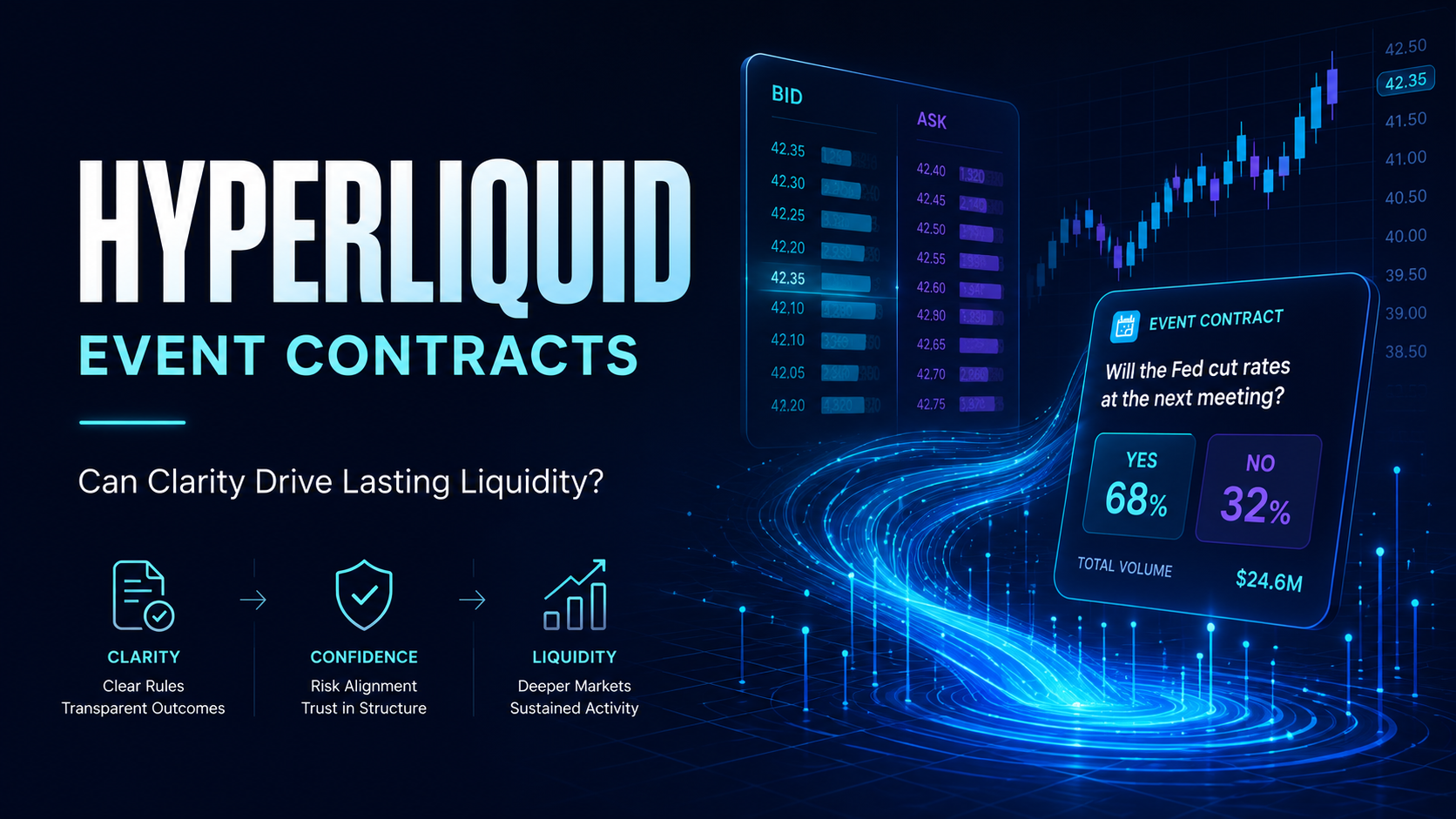
Can Hyperliquid Turn Event-Contract Clarity Into Lasting Liquidity?