Ethereum’s next major network upgrade, Fusaka, is officially scheduled for December 3, 2025, at 21:49:11 UTC. The upgrade is designed to improve data availability, optimize gas costs, and enhance network security. Ethereum developers have been working on Fusaka for months, integrating multiple Ethereum Improvement Proposals (EIPs) that will refine both consensus and execution layers. A […]Ethereum’s next major network upgrade, Fusaka, is officially scheduled for December 3, 2025, at 21:49:11 UTC. The upgrade is designed to improve data availability, optimize gas costs, and enhance network security. Ethereum developers have been working on Fusaka for months, integrating multiple Ethereum Improvement Proposals (EIPs) that will refine both consensus and execution layers. A […]

Fusaka Launch Alert: Ethereum’s Most Important Upgrade Yet

2025/11/11 18:00
3 min read
For feedback or concerns regarding this content, please contact us at [email protected]
Ethereum
  1. Fusaka, Ethereum’s next L1 upgrade, is scheduled for December 3, 2025.
  2. The update introduces new data availability methods, improved proposer scheduling, and EVM optimizations.
  3. Gas cost adjustments and block limits aim to enhance security and prevent network overloads.

Ethereum’s next major network upgrade, Fusaka, is officially scheduled for December 3, 2025, at 21:49:11 UTC. The upgrade is designed to improve data availability, optimize gas costs, and enhance network security.

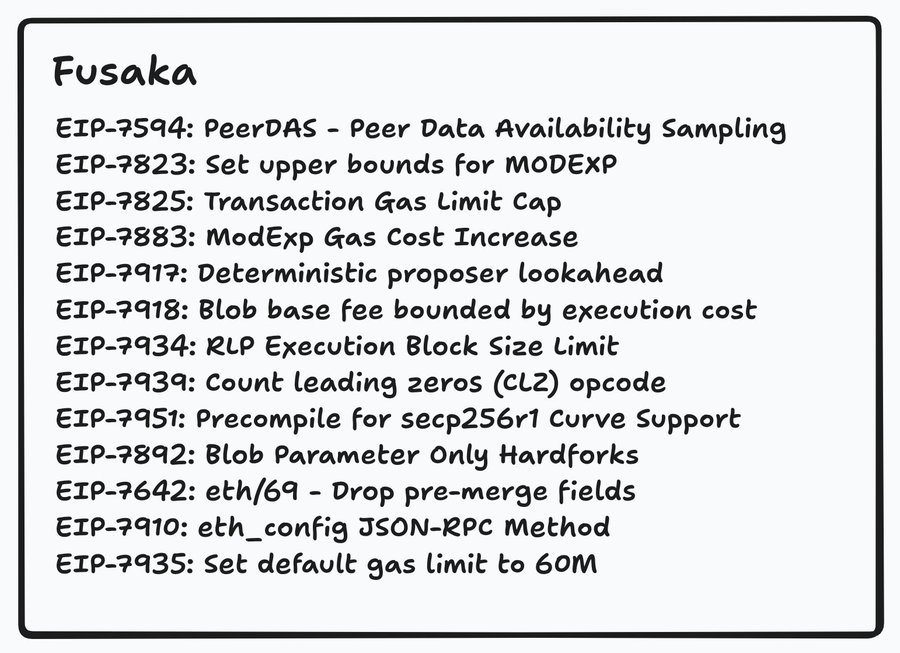
Ethereum developers have been working on Fusaka for months, integrating multiple Ethereum Improvement Proposals (EIPs) that will refine both consensus and execution layers.
Source: X

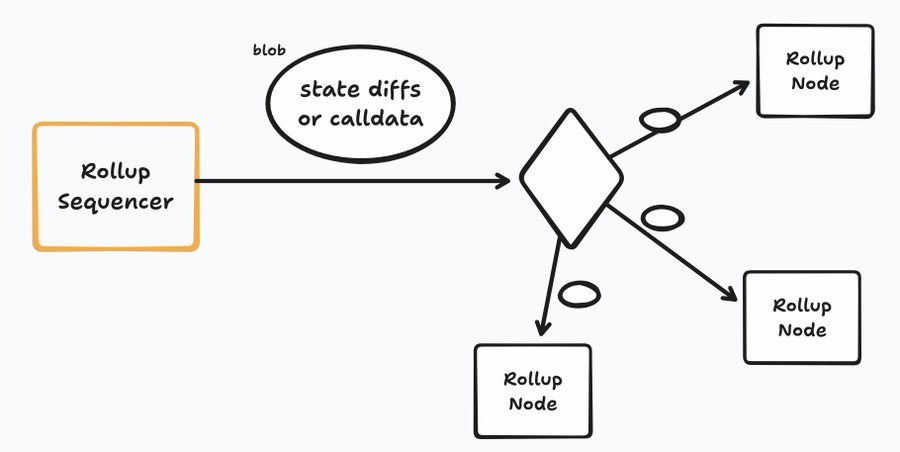
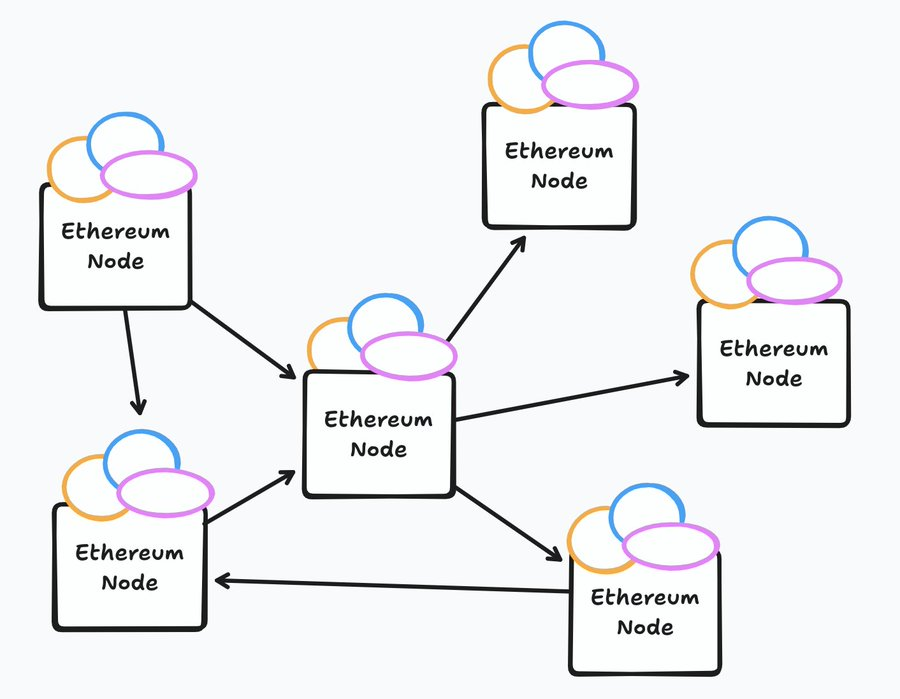
A major change comes from the implementation of erasure-coded blobs. Each blob is split across subnets, with each node storing one-eighth of the data and distributing it on demand.
Source: X

The PeerDAS protocol initially limits blocks to 10 blobs to avoid network overload, with plans to increase to 14 and eventually 48 blobs per block through Blob-Parameter Only (BPO) hardforks. Nodes that fail to provide requested data are effectively blacklisted, ensuring reliability across the network.

Ethereum Security Enhancements Against DoS Attacks

Fusaka proposes EIP-7917, which corrects a historic problem with the Beacon Chain on Ethereum. The problem occurred such that proposer schedules could vary if a validator’s stakes changed by more than 1 ETH.
Source: X

This update will now keep the proposer schedule in the blockchain state two epochs ahead. This will enable smart contracts to validate proposer information via Merkle proofs. This is expected to improve pre-conf protocols’ integrity.

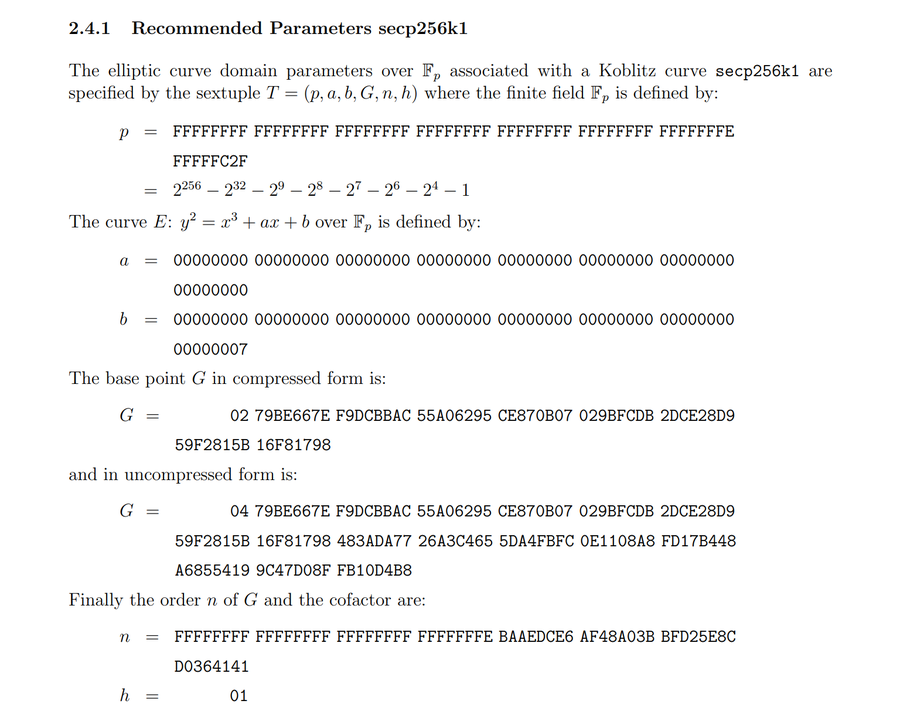
Security enhancements are also concerned with cryptographic matters. From now on, Ethereum will allow for the use of the secp256r1 elliptical curve, in addition to secp256k1. This will improve smart wallet utilization of hardware signing and multi-factor authentication security.
Source: X

Security Enhancements Against DoS Attacks

Several EIPs related to Fusaka are concerned with adjusting gas prices and limits for resource usage. These include EIP-7883, which is concerned with increasing the cost for “modeXP precompile”, and another one titled “Precompile limits: restrict 1024 bytes for operands”, which is aimed at securing DoS attacks by fixing a 1024-byte limit.

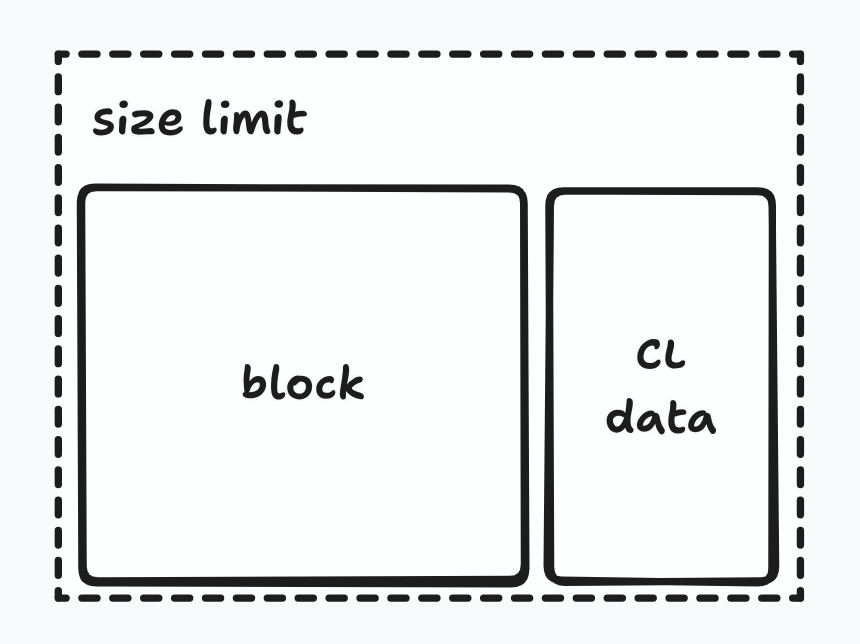
This proposal, EIP-7934, introduces an 8 MiB limitation on execution layer blocks in order to guarantee efficient propagation on the P2P network, thus avoiding “oversized block” attacks.
Source: X

Also, there are other small optimizations such as adding BPO for blob updates (EIP-7892), stripping legacy data out of P2P messages to conserve bandwidth (EIP-7642), adding a new eth_config JSON-RPC function for client tracking (EIP-7910), and bumping validator gas limits up to 60m (EIP-7935).

Also Read: Ethereum (ETH) Poised for a Short-Term 10.45% Surge

Disclaimer: The articles reposted on this site are sourced from public platforms and are provided for informational purposes only. They do not necessarily reflect the views of MEXC. All rights remain with the original authors. If you believe any content infringes on third-party rights, please contact [email protected] for removal. MEXC makes no guarantees regarding the accuracy, completeness, or timeliness of the content and is not responsible for any actions taken based on the information provided. The content does not constitute financial, legal, or other professional advice, nor should it be considered a recommendation or endorsement by MEXC.
Tags:

You May Also Like

CEO Sandeep Nailwal Shared Highlights About RWA on Polygon

CEO Sandeep Nailwal Shared Highlights About RWA on Polygon

The post CEO Sandeep Nailwal Shared Highlights About RWA on Polygon appeared on BitcoinEthereumNews.com. Polygon CEO Sandeep Nailwal highlighted Polygon’s lead in global bonds, Spiko US T-Bill, and Spiko Euro T-Bill. Polygon published an X post to share that its roadmap to GigaGas was still scaling. Sentiments around POL price were last seen to be bearish. Polygon CEO Sandeep Nailwal shared key pointers from the Dune and RWA.xyz report. These pertain to highlights about RWA on Polygon. Simultaneously, Polygon underlined its roadmap towards GigaGas. Sentiments around POL price were last seen fumbling under bearish emotions. Polygon CEO Sandeep Nailwal on Polygon RWA CEO Sandeep Nailwal highlighted three key points from the Dune and RWA.xyz report. The Chief Executive of Polygon maintained that Polygon PoS was hosting RWA TVL worth $1.13 billion across 269 assets plus 2,900 holders. Nailwal confirmed from the report that RWA was happening on Polygon. The Dune and https://t.co/W6WSFlHoQF report on RWA is out and it shows that RWA is happening on Polygon. Here are a few highlights: – Leading in Global Bonds: Polygon holds 62% share of tokenized global bonds (driven by Spiko’s euro MMF and Cashlink euro issues) – Spiko U.S.… — Sandeep | CEO, Polygon Foundation (※,※) (@sandeepnailwal) September 17, 2025 The X post published by Polygon CEO Sandeep Nailwal underlined that the ecosystem was leading in global bonds by holding a 62% share of tokenized global bonds. He further highlighted that Polygon was leading with Spiko US T-Bill at approximately 29% share of TVL along with Ethereum, adding that the ecosystem had more than 50% share in the number of holders. Finally, Sandeep highlighted from the report that there was a strong adoption for Spiko Euro T-Bill with 38% share of TVL. He added that 68% of returns were on Polygon across all the chains. Polygon Roadmap to GigaGas In a different update from Polygon, the community…
Share
BitcoinEthereumNews2025/09/18 01:10
Solana Sees $10M Capital Rotation, Eyes $100 Breakout

Solana Sees $10M Capital Rotation, Eyes $100 Breakout

The post Solana Sees $10M Capital Rotation, Eyes $100 Breakout appeared on BitcoinEthereumNews.com. Capital rotation into Solana accelerated this week as traders
Share
BitcoinEthereumNews2026/03/18 00:18
ZKsync Powers Tokenized Deposits in Major U.S. Bank Network

ZKsync Powers Tokenized Deposits in Major U.S. Bank Network

Key Takeaways: Five U.S. regional banks are building a tokenized deposit network on ZKsync. Deposits remain FDIC-insured bank liabilities, not stablecoins. The
Share
Crypto Ninjas2026/03/18 00:41