The post How Corporate Influences Have Impacted Cryptocurrency Growth appeared on BitcoinEthereumNews.com. Since its inception in 2009, cryptocurrencies have evolved from a niche digital asset to a global financial instrument. Cryptocurrencies and assets are sold, bought, and traded just like any other traditional asset or currency. The modern cryptocurrency landscape features robust platforms and regulations that make cryptocurrency a viable alternative to traditional assets and fiat currencies. This modern transformation stands in stark contrast to the early skepticism faced by cryptocurrency. Many people did not trust cryptocurrencies in the technology’s infancy. Fast forward to today, not only is the trust and use of cryptocurrency growing, but so too is institutional participation and investment. Cryptocurrencies have gone from a fringe idea to a global digital currency that is seeing growing corporate involvement through investments, partnerships, and adoption. Corporate Investment Changing How Crypto is Used The early days of cryptocurrency saw limited use cases. Most crypto users either bought or mined crypto as a novelty. It was only after cryptocurrency was used to pay for pizza that it was seen as a viable trade method. Following the pizza trade, crypto was still primarily used for anonymous online payments on the dark web. As with many innovations in the financial sector, the perception of crypto shifted when it started to see widespread use across mainstream corporate-funded platforms. One of the first use cases that sparked this shift was crypto day trading. Day traders realized that the speculative nature of cryptocurrencies like Bitcoin made it perfect for high-yield speculative trades. Another sector that contributed to widespread crypto adoption is corporate-backed online entertainment platforms that run on crypto payments. The first of these to gain popularity were new crypto casinos that revolutionized how people gambled online. These platforms demonstrated crypto’s ability to facilitate faster payments with greater degrees of privacy. Corporate Investments: Adding Legitimacy and Boosting Market… The post How Corporate Influences Have Impacted Cryptocurrency Growth appeared on BitcoinEthereumNews.com. Since its inception in 2009, cryptocurrencies have evolved from a niche digital asset to a global financial instrument. Cryptocurrencies and assets are sold, bought, and traded just like any other traditional asset or currency. The modern cryptocurrency landscape features robust platforms and regulations that make cryptocurrency a viable alternative to traditional assets and fiat currencies. This modern transformation stands in stark contrast to the early skepticism faced by cryptocurrency. Many people did not trust cryptocurrencies in the technology’s infancy. Fast forward to today, not only is the trust and use of cryptocurrency growing, but so too is institutional participation and investment. Cryptocurrencies have gone from a fringe idea to a global digital currency that is seeing growing corporate involvement through investments, partnerships, and adoption. Corporate Investment Changing How Crypto is Used The early days of cryptocurrency saw limited use cases. Most crypto users either bought or mined crypto as a novelty. It was only after cryptocurrency was used to pay for pizza that it was seen as a viable trade method. Following the pizza trade, crypto was still primarily used for anonymous online payments on the dark web. As with many innovations in the financial sector, the perception of crypto shifted when it started to see widespread use across mainstream corporate-funded platforms. One of the first use cases that sparked this shift was crypto day trading. Day traders realized that the speculative nature of cryptocurrencies like Bitcoin made it perfect for high-yield speculative trades. Another sector that contributed to widespread crypto adoption is corporate-backed online entertainment platforms that run on crypto payments. The first of these to gain popularity were new crypto casinos that revolutionized how people gambled online. These platforms demonstrated crypto’s ability to facilitate faster payments with greater degrees of privacy. Corporate Investments: Adding Legitimacy and Boosting Market…

How Corporate Influences Have Impacted Cryptocurrency Growth

Since its inception in 2009, cryptocurrencies have evolved from a niche digital asset to a global financial instrument. Cryptocurrencies and assets are sold, bought, and traded just like any other traditional asset or currency. The modern cryptocurrency landscape features robust platforms and regulations that make cryptocurrency a viable alternative to traditional assets and fiat currencies.

This modern transformation stands in stark contrast to the early skepticism faced by cryptocurrency. Many people did not trust cryptocurrencies in the technology’s infancy. Fast forward to today, not only is the trust and use of cryptocurrency growing, but so too is institutional participation and investment.

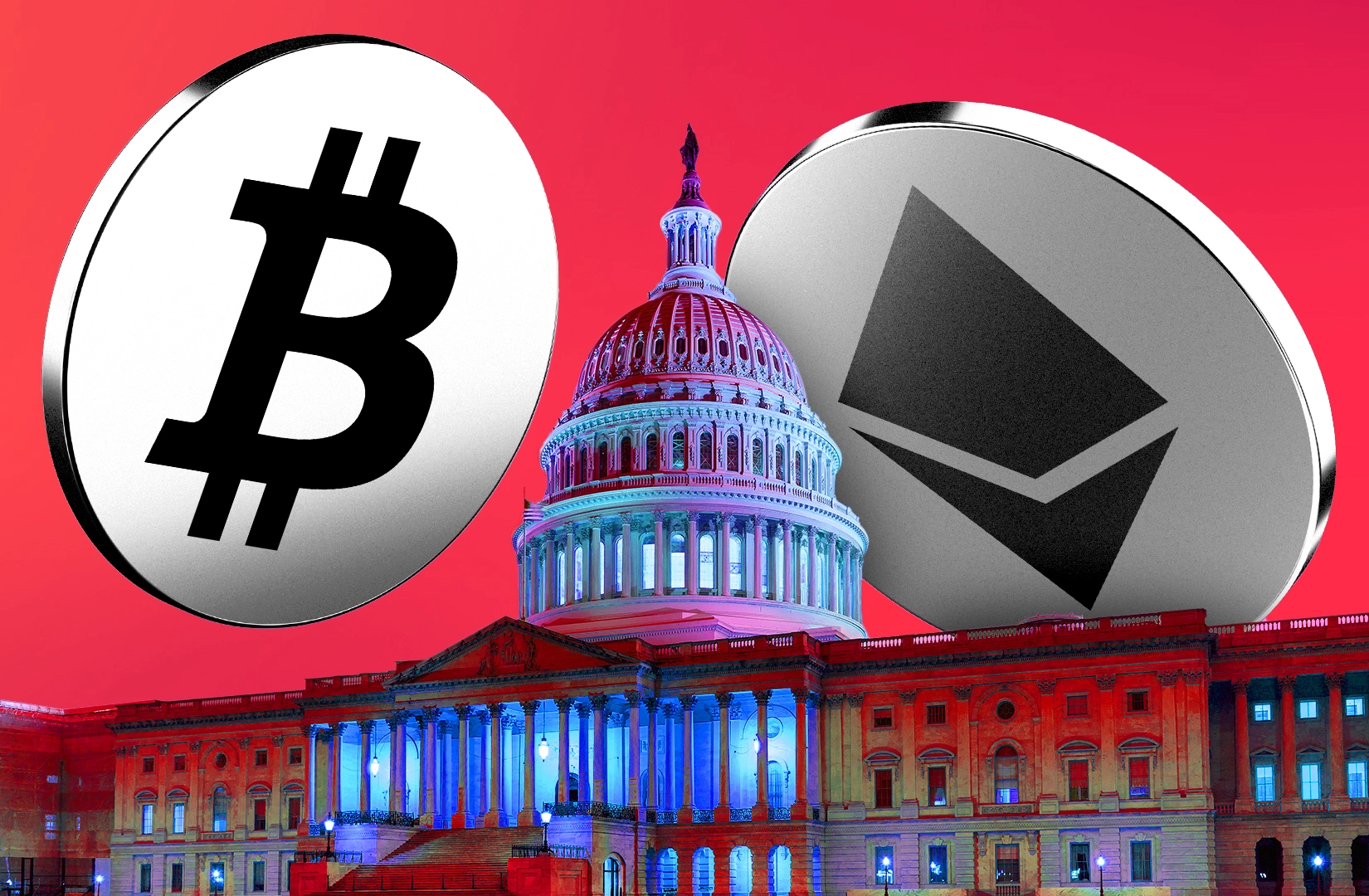
Cryptocurrencies have gone from a fringe idea to a global digital currency that is seeing growing corporate involvement through investments, partnerships, and adoption.

Corporate Investment Changing How Crypto is Used

The early days of cryptocurrency saw limited use cases. Most crypto users either bought or mined crypto as a novelty. It was only after cryptocurrency was used to pay for pizza that it was seen as a viable trade method. Following the pizza trade, crypto was still primarily used for anonymous online payments on the dark web.

As with many innovations in the financial sector, the perception of crypto shifted when it started to see widespread use across mainstream corporate-funded platforms. One of the first use cases that sparked this shift was crypto day trading. Day traders realized that the speculative nature of cryptocurrencies like Bitcoin made it perfect for high-yield speculative trades.

Another sector that contributed to widespread crypto adoption is corporate-backed online entertainment platforms that run on crypto payments. The first of these to gain popularity were new crypto casinos that revolutionized how people gambled online. These platforms demonstrated crypto’s ability to facilitate faster payments with greater degrees of privacy.

Corporate Investments: Adding Legitimacy and Boosting Market Confidence

Major corporations investing in crypto assets and blockchain technologies have shifted the perception of crypto in recent years. With large-scale investments from companies like Tesla and BlackRock, crypto markets have become legitimate investment opportunities. This legitimacy has increased market confidence, resulting in widespread adoption of cryptocurrencies.

Corporate investment in crypto has increased interest from retail investors, who now see crypto as a more secure investment. Increasing retail investment has caused crypto market stability. This stability, combined with growing investor confidence, has called for an increase in institutional tools that make crypto more accessible to the public. These tools include custodial services and crypto exchanges.

The increased corporate investments have also resulted in crypto catching the attention of regulators, who are now being encouraged to increase regulatory clarity surrounding crypto. Improved regulatory clarity in the crypto space leads to the development of more robust crypto infrastructure and services. As the U.S. regulatory landscape around cryptocurrencies changes, confidence in crypto markets and services continues to grow.

Strategic Partnerships Between Traditional Finance and Blockchain Companies

Traditional financial institutions have started seeing significant benefits in offering crypto services. These services require a major investment in blockchain infrastructure capable of supporting crypto financial transactions. One way to circumvent the need for investing in new infrastructure is by partnering with existing blockchain companies and integrating their existing infrastructure into traditional financial services. An example of this is PayPal and Visa integrating crypto transactions into their existing services.

Financial institutions integrating existing blockchain services into their own infrastructure have reduced the barrier of entry for consumers. Consumers are now able to access robust crypto financial tools through trusted institutions with years of local expertise in the finance space.

The partnerships between traditional finance institutions and blockchain companies have also given rise to blockchain-as-a-service. An exciting new industry that offers platforms financial institutions can purchase to easily plug crypto and blockchain tools into their existing service framework.

Expanding Crypto’s Real-World Utility

Integrating cryptocurrencies and blockchain technology into corporate institutions extends beyond the finance sector. There are many other industries adopting crypto technology to enhance existing services or create entirely new products. Examples of how businesses are integrating crypto technology can be seen in the form of supply chain tracking, smart contracts, digital payments, and NFTs.

Smart contracts are the most widely used blockchain technologies in businesses. This technology allows companies to automate processes through the implementation of self-executing agreements. These agreements are coded to automatically execute when certain conditions are met. Benefits of smart contract automation include increased efficiency and profits.

Digital payments have made it easier for merchants and vendors to provide online products and services. By integrating digital payment systems, they can sell to a wider customer base. Digital payment systems facilitate faster and more secure payments, while also costing less in transaction fees

NFTs have provided businesses with a new way to engage with audiences through unique digital assets. Businesses can incorporate NFTs into reward programs or gift them to loyal customers for repeat business. These digital assets create a sense of community and exclusivity that increases brand recognition and reputation.

Challenges and Considerations

Despite the many benefits of corporate investment, there are many crypto users who criticize corporate interests in crypto. They argue that growing corporate investment and dominance in the crypto space is a contradiction to the decentralized foundations on which crypto was established.

Major businesses investing in crypto do so while trying to navigate a regulatory minefield of uncertainty and risks. Government regulations have not been able to keep up with the growth of cryptocurrencies, leaving corporations with no choice but to lead regulators in the right direction through lobbying and investment.

In the modern crypto landscape, there is a growing need for investors’ interests to be protected while also encouraging innovation in the crypto space.

Conclusion

Growing corporate interest and investment in crypto have upsides and downsides. On the one hand, it increases crypto’s credibility as a financial tool. On the other hand, it poses centralization and regulatory risks.

One thing is certain: increased investment has led to mass adoption and growing utility across sectors. The future of crypto is a bright one, and for crypto to continue seeing unprecedented growth, corporate investment must be balanced with regulatory oversight and consumer trust.

Disclaimer: This is a sponsored article and is for informational purposes only. It does not reflect the views of Crypto Daily, nor is it intended to be used as legal, tax, investment, or financial advice.

Source: https://cryptodaily.co.uk/2025/11/how-corporate-influences-have-impacted-cryptocurrency-growth


Market Opportunity
Wink Logo
Wink Price(LIKE)
$0.002754
$0.002754$0.002754
+1.17%
USD
Wink (LIKE) Live Price Chart
Disclaimer: The articles reposted on this site are sourced from public platforms and are provided for informational purposes only. They do not necessarily reflect the views of MEXC. All rights remain with the original authors. If you believe any content infringes on third-party rights, please contact [email protected] for removal. MEXC makes no guarantees regarding the accuracy, completeness, or timeliness of the content and is not responsible for any actions taken based on the information provided. The content does not constitute financial, legal, or other professional advice, nor should it be considered a recommendation or endorsement by MEXC.

You May Also Like

Taiko Makes Chainlink Data Streams Its Official Oracle

Taiko Makes Chainlink Data Streams Its Official Oracle

The post Taiko Makes Chainlink Data Streams Its Official Oracle appeared on BitcoinEthereumNews.com. Key Notes Taiko has officially integrated Chainlink Data Streams for its Layer 2 network. The integration provides developers with high-speed market data to build advanced DeFi applications. The move aims to improve security and attract institutional adoption by using Chainlink’s established infrastructure. Taiko, an Ethereum-based ETH $4 514 24h volatility: 0.4% Market cap: $545.57 B Vol. 24h: $28.23 B Layer 2 rollup, has announced the integration of Chainlink LINK $23.26 24h volatility: 1.7% Market cap: $15.75 B Vol. 24h: $787.15 M Data Streams. The development comes as the underlying Ethereum network continues to see significant on-chain activity, including large sales from ETH whales. The partnership establishes Chainlink as the official oracle infrastructure for the network. It is designed to provide developers on the Taiko platform with reliable and high-speed market data, essential for building a wide range of decentralized finance (DeFi) applications, from complex derivatives platforms to more niche projects involving unique token governance models. According to the project’s official announcement on Sept. 17, the integration enables the creation of more advanced on-chain products that require high-quality, tamper-proof data to function securely. Taiko operates as a “based rollup,” which means it leverages Ethereum validators for transaction sequencing for strong decentralization. Boosting DeFi and Institutional Interest Oracles are fundamental services in the blockchain industry. They act as secure bridges that feed external, off-chain information to on-chain smart contracts. DeFi protocols, in particular, rely on oracles for accurate, real-time price feeds. Taiko leadership stated that using Chainlink’s infrastructure aligns with its goals. The team hopes the partnership will help attract institutional crypto investment and support the development of real-world applications, a goal that aligns with Chainlink’s broader mission to bring global data on-chain. Integrating real-world economic information is part of a broader industry trend. Just last week, Chainlink partnered with the Sei…
Share
BitcoinEthereumNews2025/09/18 03:34
Kalshi Prediction Markets Are Pulling In $1 Billion Monthly as State Regulators Loom

Kalshi Prediction Markets Are Pulling In $1 Billion Monthly as State Regulators Loom

The post Kalshi Prediction Markets Are Pulling In $1 Billion Monthly as State Regulators Loom appeared on BitcoinEthereumNews.com. In brief Kalshi reached $1 billion in monthly volume and now dominates 62% of the global prediction market industry, surpassing Polymarket’s 37% share. Four states including Massachusetts have filed lawsuits claiming Kalshi operates as an unlicensed sportsbook, with Massachusetts seeking to permanently bar the platform. Kalshi operates under federal CFTC regulation as a designated contract market, arguing this preempts state gambling laws that require separate licensing. Prediction market Kalshi just topped $1 billion in monthly volume as state regulators nip at its heels with lawsuits alleging that it’s an unregistered sports betting platform. “Despite being limited to only American customers, Kalshi has now risen to dominate the global prediction market industry,” the company said in a press release. “New data scraped from publicly available activity metrics details this rise.” The publicly available data appears on a Dune Analytics dashboard that’s been tracking prediction market notional volume. The data show that Kalshi now accounts for roughly 62% of global prediction market volume, Polymarket for 37%, and the rest split between Limitless and Myriad, the prediction market owned by Decrypt parent company Dastan. Trading volume on Kalshi skyrocketed in August, not coincidentally at the start of the NFL season and as the prediction market pushes further into sports.  But regulators in Maryland, Nevada, and New Jersey have all issued cease-and-desist orders, arguing Kalshi’s event contracts amount to unlicensed sports betting. Each case has spilled into federal court, with judges issuing preliminary rulings but no final decisions yet. Last week, Massachusetts went further, filing a lawsuit that calls Kalshi’s sports contracts “illegal and unsafe sports wagering.” The 43-page Massachusetts lawsuit seeks to stop the company from allowing state residents on its platform—much the way Coinbase has had to do with its staking offerings in parts of the United States. Massachusetts Attorney General…
Share
BitcoinEthereumNews2025/09/19 09:21
[Pastilan] End the confidential fund madness

[Pastilan] End the confidential fund madness

UPDATE RULES. Former Commission on Audit commissioner Heidi Mendoza speaks during a public forum.
Share
Rappler2026/01/16 14:02