BitcoinWorld Crypto Fear & Greed Index: Market Sentiment Shows Cautious Improvement Amid Extreme Fear The cryptocurrency market just received some intriguing news – the Crypto Fear & Greed Index has climbed to 15, marking a four-point increase from yesterday’s reading. However, this modest improvement still leaves the market firmly in Extreme Fear territory. What does this mean for your crypto investments and overall market sentiment? What Exactly Is the Crypto Fear & Greed Index? The Crypto Fear & Greed Index serves as a crucial barometer for market emotions. Created by data provider Alternative, this powerful tool measures investor sentiment on a scale from 0 to 100. A score of 0 indicates extreme fear, while 100 represents extreme greed. The current reading of 15 suggests investors remain deeply cautious despite the recent uptick. This index calculates market sentiment using six key factors: Volatility (25% weighting) Market momentum and volume (25%) Social media mentions (15%) Surveys (15%) Bitcoin dominance (10%) Google search trends (10%) Why Does the Crypto Fear & Greed Index Matter to Investors? Understanding the Crypto Fear & Greed Index provides valuable insights for both new and experienced traders. When the index shows extreme fear, it often indicates potential buying opportunities. Conversely, extreme greed readings might signal market tops. The current Extreme Fear reading suggests many investors remain nervous about market conditions. Historical data reveals interesting patterns about the Crypto Fear & Greed Index. During bull markets, the index typically stays above 50, while bear markets often see readings below 20. The current 15 reading, though improved, still reflects significant market anxiety. How Can You Use the Crypto Fear & Greed Index in Your Strategy? Smart investors monitor the Crypto Fear & Greed Index regularly to gauge market emotions. When the index shows extreme fear, it might indicate undervalued conditions. However, remember that the Crypto Fear & Greed Index should complement your research, not replace it. Consider these actionable insights: Dollar-cost average during Extreme Fear periods Diversify your portfolio across different assets Set stop-losses to manage risk Monitor multiple indicators beyond just the fear index What’s Next for the Crypto Fear & Greed Index? The recent improvement in the Crypto Fear & Greed Index from 11 to 15 suggests some investors are becoming cautiously optimistic. However, the market remains fragile. Several factors could influence future readings of the Crypto Fear & Greed Index, including regulatory developments, macroeconomic conditions, and Bitcoin’s price action. Market analysts watch the Crypto Fear & Greed Index closely for trend changes. A sustained move above 20 could signal shifting sentiment, while a drop below 10 might indicate deepening fear. The current position suggests we’re in a critical transition zone. Final Thoughts on Market Sentiment The Crypto Fear & Greed Index provides a valuable snapshot of market psychology. While the recent improvement to 15 offers hope, the Extreme Fear classification reminds us that caution still prevails. Successful investors use tools like the Crypto Fear & Greed Index to make informed decisions rather than emotional ones. Remember that extreme fear periods often create the best long-term buying opportunities in cryptocurrency markets. The Crypto Fear & Greed Index helps identify these moments when others are panicking. Frequently Asked Questions What does a Crypto Fear & Greed Index score of 15 mean? A score of 15 indicates Extreme Fear in the market, suggesting investors are very nervous about current conditions despite the recent improvement from 11. How often is the Crypto Fear & Greed Index updated? The index updates daily, providing regular insights into changing market sentiment and investor psychology. Can the Crypto Fear & Greed Index predict price movements? While it doesn’t predict prices directly, extreme readings often coincide with market turning points and can signal potential opportunities. Is the Crypto Fear & Greed Index reliable for trading decisions? It works best as one of several tools in your analysis toolkit, helping gauge market sentiment alongside technical and fundamental analysis. What’s the historical range for the Crypto Fear & Greed Index? The index typically ranges from single digits during major crashes to 90+ during peak bull markets, with 50 representing neutral sentiment. How does Bitcoin dominance affect the Crypto Fear & Greed Index? Bitcoin dominance contributes 10% to the index calculation, reflecting its importance as a market leader and sentiment indicator. Found this analysis helpful? Share this article with fellow crypto enthusiasts on social media to help them understand current market sentiment and the importance of the Fear & Greed Index in their investment strategy! To learn more about the latest crypto market trends, explore our article on key developments shaping Bitcoin price action and institutional adoption. This post Crypto Fear & Greed Index: Market Sentiment Shows Cautious Improvement Amid Extreme Fear first appeared on BitcoinWorld.BitcoinWorld Crypto Fear & Greed Index: Market Sentiment Shows Cautious Improvement Amid Extreme Fear The cryptocurrency market just received some intriguing news – the Crypto Fear & Greed Index has climbed to 15, marking a four-point increase from yesterday’s reading. However, this modest improvement still leaves the market firmly in Extreme Fear territory. What does this mean for your crypto investments and overall market sentiment? What Exactly Is the Crypto Fear & Greed Index? The Crypto Fear & Greed Index serves as a crucial barometer for market emotions. Created by data provider Alternative, this powerful tool measures investor sentiment on a scale from 0 to 100. A score of 0 indicates extreme fear, while 100 represents extreme greed. The current reading of 15 suggests investors remain deeply cautious despite the recent uptick. This index calculates market sentiment using six key factors: Volatility (25% weighting) Market momentum and volume (25%) Social media mentions (15%) Surveys (15%) Bitcoin dominance (10%) Google search trends (10%) Why Does the Crypto Fear & Greed Index Matter to Investors? Understanding the Crypto Fear & Greed Index provides valuable insights for both new and experienced traders. When the index shows extreme fear, it often indicates potential buying opportunities. Conversely, extreme greed readings might signal market tops. The current Extreme Fear reading suggests many investors remain nervous about market conditions. Historical data reveals interesting patterns about the Crypto Fear & Greed Index. During bull markets, the index typically stays above 50, while bear markets often see readings below 20. The current 15 reading, though improved, still reflects significant market anxiety. How Can You Use the Crypto Fear & Greed Index in Your Strategy? Smart investors monitor the Crypto Fear & Greed Index regularly to gauge market emotions. When the index shows extreme fear, it might indicate undervalued conditions. However, remember that the Crypto Fear & Greed Index should complement your research, not replace it. Consider these actionable insights: Dollar-cost average during Extreme Fear periods Diversify your portfolio across different assets Set stop-losses to manage risk Monitor multiple indicators beyond just the fear index What’s Next for the Crypto Fear & Greed Index? The recent improvement in the Crypto Fear & Greed Index from 11 to 15 suggests some investors are becoming cautiously optimistic. However, the market remains fragile. Several factors could influence future readings of the Crypto Fear & Greed Index, including regulatory developments, macroeconomic conditions, and Bitcoin’s price action. Market analysts watch the Crypto Fear & Greed Index closely for trend changes. A sustained move above 20 could signal shifting sentiment, while a drop below 10 might indicate deepening fear. The current position suggests we’re in a critical transition zone. Final Thoughts on Market Sentiment The Crypto Fear & Greed Index provides a valuable snapshot of market psychology. While the recent improvement to 15 offers hope, the Extreme Fear classification reminds us that caution still prevails. Successful investors use tools like the Crypto Fear & Greed Index to make informed decisions rather than emotional ones. Remember that extreme fear periods often create the best long-term buying opportunities in cryptocurrency markets. The Crypto Fear & Greed Index helps identify these moments when others are panicking. Frequently Asked Questions What does a Crypto Fear & Greed Index score of 15 mean? A score of 15 indicates Extreme Fear in the market, suggesting investors are very nervous about current conditions despite the recent improvement from 11. How often is the Crypto Fear & Greed Index updated? The index updates daily, providing regular insights into changing market sentiment and investor psychology. Can the Crypto Fear & Greed Index predict price movements? While it doesn’t predict prices directly, extreme readings often coincide with market turning points and can signal potential opportunities. Is the Crypto Fear & Greed Index reliable for trading decisions? It works best as one of several tools in your analysis toolkit, helping gauge market sentiment alongside technical and fundamental analysis. What’s the historical range for the Crypto Fear & Greed Index? The index typically ranges from single digits during major crashes to 90+ during peak bull markets, with 50 representing neutral sentiment. How does Bitcoin dominance affect the Crypto Fear & Greed Index? Bitcoin dominance contributes 10% to the index calculation, reflecting its importance as a market leader and sentiment indicator. Found this analysis helpful? Share this article with fellow crypto enthusiasts on social media to help them understand current market sentiment and the importance of the Fear & Greed Index in their investment strategy! To learn more about the latest crypto market trends, explore our article on key developments shaping Bitcoin price action and institutional adoption. This post Crypto Fear & Greed Index: Market Sentiment Shows Cautious Improvement Amid Extreme Fear first appeared on BitcoinWorld.

Crypto Fear & Greed Index: Market Sentiment Shows Cautious Improvement Amid Extreme Fear

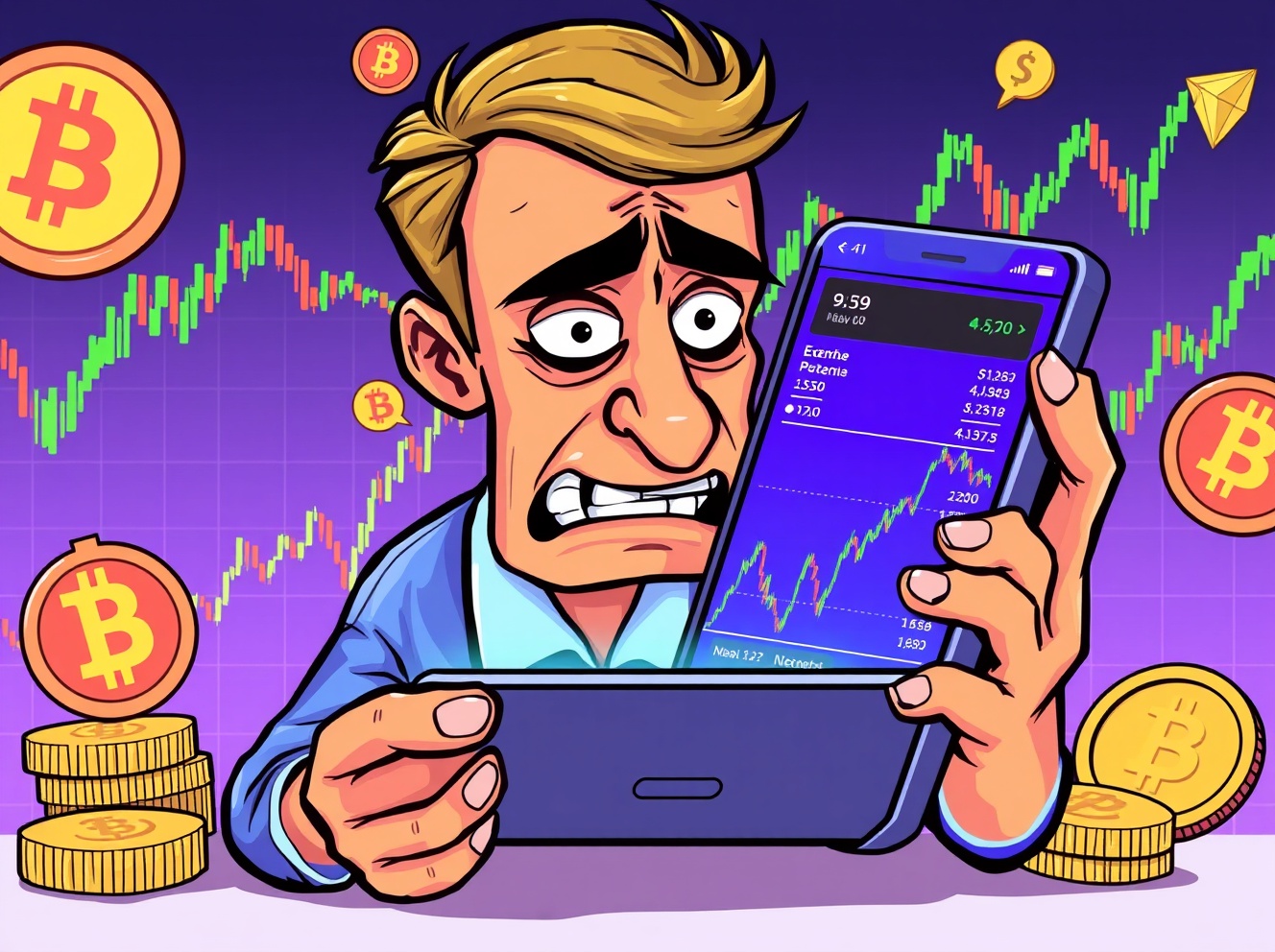
Crypto Fear & Greed Index illustration showing nervous investor analyzing market charts

BitcoinWorld

Crypto Fear & Greed Index: Market Sentiment Shows Cautious Improvement Amid Extreme Fear

The cryptocurrency market just received some intriguing news – the Crypto Fear & Greed Index has climbed to 15, marking a four-point increase from yesterday’s reading. However, this modest improvement still leaves the market firmly in Extreme Fear territory. What does this mean for your crypto investments and overall market sentiment?

What Exactly Is the Crypto Fear & Greed Index?

The Crypto Fear & Greed Index serves as a crucial barometer for market emotions. Created by data provider Alternative, this powerful tool measures investor sentiment on a scale from 0 to 100. A score of 0 indicates extreme fear, while 100 represents extreme greed. The current reading of 15 suggests investors remain deeply cautious despite the recent uptick.

This index calculates market sentiment using six key factors:

  • Volatility (25% weighting)
  • Market momentum and volume (25%)
  • Social media mentions (15%)
  • Surveys (15%)
  • Bitcoin dominance (10%)
  • Google search trends (10%)

Why Does the Crypto Fear & Greed Index Matter to Investors?

Understanding the Crypto Fear & Greed Index provides valuable insights for both new and experienced traders. When the index shows extreme fear, it often indicates potential buying opportunities. Conversely, extreme greed readings might signal market tops. The current Extreme Fear reading suggests many investors remain nervous about market conditions.

Historical data reveals interesting patterns about the Crypto Fear & Greed Index. During bull markets, the index typically stays above 50, while bear markets often see readings below 20. The current 15 reading, though improved, still reflects significant market anxiety.

How Can You Use the Crypto Fear & Greed Index in Your Strategy?

Smart investors monitor the Crypto Fear & Greed Index regularly to gauge market emotions. When the index shows extreme fear, it might indicate undervalued conditions. However, remember that the Crypto Fear & Greed Index should complement your research, not replace it.

Consider these actionable insights:

  • Dollar-cost average during Extreme Fear periods
  • Diversify your portfolio across different assets
  • Set stop-losses to manage risk
  • Monitor multiple indicators beyond just the fear index

What’s Next for the Crypto Fear & Greed Index?

The recent improvement in the Crypto Fear & Greed Index from 11 to 15 suggests some investors are becoming cautiously optimistic. However, the market remains fragile. Several factors could influence future readings of the Crypto Fear & Greed Index, including regulatory developments, macroeconomic conditions, and Bitcoin’s price action.

Market analysts watch the Crypto Fear & Greed Index closely for trend changes. A sustained move above 20 could signal shifting sentiment, while a drop below 10 might indicate deepening fear. The current position suggests we’re in a critical transition zone.

Final Thoughts on Market Sentiment

The Crypto Fear & Greed Index provides a valuable snapshot of market psychology. While the recent improvement to 15 offers hope, the Extreme Fear classification reminds us that caution still prevails. Successful investors use tools like the Crypto Fear & Greed Index to make informed decisions rather than emotional ones.

Remember that extreme fear periods often create the best long-term buying opportunities in cryptocurrency markets. The Crypto Fear & Greed Index helps identify these moments when others are panicking.

Frequently Asked Questions

What does a Crypto Fear & Greed Index score of 15 mean?

A score of 15 indicates Extreme Fear in the market, suggesting investors are very nervous about current conditions despite the recent improvement from 11.

How often is the Crypto Fear & Greed Index updated?

The index updates daily, providing regular insights into changing market sentiment and investor psychology.

Can the Crypto Fear & Greed Index predict price movements?

While it doesn’t predict prices directly, extreme readings often coincide with market turning points and can signal potential opportunities.

Is the Crypto Fear & Greed Index reliable for trading decisions?

It works best as one of several tools in your analysis toolkit, helping gauge market sentiment alongside technical and fundamental analysis.

What’s the historical range for the Crypto Fear & Greed Index?

The index typically ranges from single digits during major crashes to 90+ during peak bull markets, with 50 representing neutral sentiment.

How does Bitcoin dominance affect the Crypto Fear & Greed Index?

Bitcoin dominance contributes 10% to the index calculation, reflecting its importance as a market leader and sentiment indicator.

Found this analysis helpful? Share this article with fellow crypto enthusiasts on social media to help them understand current market sentiment and the importance of the Fear & Greed Index in their investment strategy!

To learn more about the latest crypto market trends, explore our article on key developments shaping Bitcoin price action and institutional adoption.

This post Crypto Fear & Greed Index: Market Sentiment Shows Cautious Improvement Amid Extreme Fear first appeared on BitcoinWorld.


Market Opportunity
Index Cooperative Logo
Index Cooperative Price(INDEX)
$0.5098
$0.5098$0.5098
-5.13%
USD
Index Cooperative (INDEX) Live Price Chart
Disclaimer: The articles reposted on this site are sourced from public platforms and are provided for informational purposes only. They do not necessarily reflect the views of MEXC. All rights remain with the original authors. If you believe any content infringes on third-party rights, please contact [email protected] for removal. MEXC makes no guarantees regarding the accuracy, completeness, or timeliness of the content and is not responsible for any actions taken based on the information provided. The content does not constitute financial, legal, or other professional advice, nor should it be considered a recommendation or endorsement by MEXC.

You May Also Like

Strive Finalizes Semler Deal, Expands Its Corporate Bitcoin Treasury

Strive Finalizes Semler Deal, Expands Its Corporate Bitcoin Treasury

Strive had finalized its acquisition of Semler scientific after securing the approval of shareholders earlier in the week. The final deal brought both firms’ Bitcoin
Share
Tronweekly2026/01/17 12:30
Why 2026 Is The Year That Caribbean Mixology Will Finally Get Its Time In The Sun

Why 2026 Is The Year That Caribbean Mixology Will Finally Get Its Time In The Sun

The post Why 2026 Is The Year That Caribbean Mixology Will Finally Get Its Time In The Sun appeared on BitcoinEthereumNews.com. San Juan, Puerto Rico’s La Factoría
Share
BitcoinEthereumNews2026/01/17 12:24
EUR/CHF slides as Euro struggles post-inflation data

EUR/CHF slides as Euro struggles post-inflation data

The post EUR/CHF slides as Euro struggles post-inflation data appeared on BitcoinEthereumNews.com. EUR/CHF weakens for a second straight session as the euro struggles to recover post-Eurozone inflation data. Eurozone core inflation steady at 2.3%, headline CPI eases to 2.0% in August. SNB maintains a flexible policy outlook ahead of its September 25 decision, with no immediate need for easing. The Euro (EUR) trades under pressure against the Swiss Franc (CHF) on Wednesday, with EUR/CHF extending losses for the second straight session as the common currency struggles to gain traction following Eurozone inflation data. At the time of writing, the cross is trading around 0.9320 during the American session. The latest inflation data from Eurostat showed that Eurozone price growth remained broadly stable in August, reinforcing the European Central Bank’s (ECB) cautious stance on monetary policy. The Core Harmonized Index of Consumer Prices (HICP), which excludes volatile items such as food and energy, rose 2.3% YoY, in line with both forecasts and the previous month’s reading. On a monthly basis, core inflation increased by 0.3%, unchanged from July, highlighting persistent underlying price pressures in the bloc. Meanwhile, headline inflation eased to 2.0% YoY in August, down from 2.1% in July and slightly below expectations. On a monthly basis, prices rose just 0.1%, missing forecasts for a 0.2% increase and decelerating from July’s 0.2% rise. The inflation release follows last week’s ECB policy decision, where the central bank kept all three key interest rates unchanged and signaled that policy is likely at its terminal level. While officials acknowledged progress in bringing inflation down, they reiterated a cautious, data-dependent approach going forward, emphasizing the need to maintain restrictive conditions for an extended period to ensure price stability. On the Swiss side, disinflation appears to be deepening. The Producer and Import Price Index dropped 0.6% in August, marking a sharp 1.8% annual decline. Broader inflation remains…
Share
BitcoinEthereumNews2025/09/18 03:08