U.S. Accounting Chief Targets Crypto Transfers: What Will It Mean for Your Balance Sheet?
The U.S. accounting rule-setter is taking another step toward modernizing corporate crypto reporting, this time targeting one of the industry’s most confusing blind spots: how companies should account for moving digital assets from one place to another.
On Wednesday, the Financial Accounting Standards Board (FASB) voted to add a new crypto-focused project to its technical agenda, seeking to clarify how businesses should treat crypto asset transfers and when those assets can be removed from their balance sheets.
The effort comes as companies continue to expand their use of digital wallets, custodians, and blockchain-based payment systems without a unified reporting rulebook.
Push for Clearer Crypto Accounting Grows as FASB Tackles Derecognition Gaps
The project is designed to address what FASB described as “inconsistent and non-intuitive” reporting practices, largely caused by the absence of clear derecognition rules, guidance that determines when an asset is considered transferred and no longer belongs on a company’s books.
The board is weighing whether to expand the scope of its 2023 digital asset accounting standard (ASU 2023-08), issue new derecognition guidance, or pursue both paths at the same time.
The push for clarity follows months of feedback from companies and auditors, who argued that current rules fail to address the practical realities of crypto transfers.
Moving digital assets from one wallet to another can be instantaneous and irreversible, but the accounting consequences depend on custody arrangements, blockchain confirmation, and whether control has truly shifted.
This latest project builds on a separate initiative FASB launched in late October to determine whether popular digital assets such as stablecoins can be classified as cash equivalents.
The board’s stepped-up activity reflects a broader effort to create a consistent framework for the growing volume of crypto activity appearing in corporate filings.
The need for modernization became more urgent after FASB’s fair-value accounting mandate, approved in 2023. That rule, taking effect for fiscal years beginning after December 15, 2024, requires companies to report qualified crypto assets, such as Bitcoin and many fungible tokens, at their market value each quarter.
Gains and losses now flow directly into earnings, offering investors a real-time view of digital asset exposure. Supporters argued the shift removed a major barrier to corporate crypto adoption by eliminating the old model, which only recognized impairments.
New CAMT Relief Could Shield Firms From Taxing Unrealized Crypto Gains
While accounting standards evolve, U.S. tax authorities are also reshaping how digital assets appear in corporate statements.
The Treasury Department is preparing to exempt crypto holdings from the Corporate Alternative Minimum Tax (CAMT), a move that could prevent multibillion-dollar tax bills for companies holding large volumes of Bitcoin.
Under CAMT, corporations earning over $1 billion annually could have faced taxes on unrealized crypto gains, a structure that firms like Strategy and Coinbase argued was unfair and out of step with traditional finance.
The exemption was outlined in Notice 2025-49, which introduced an option allowing companies to disregard fair-value adjustments for digital assets when calculating CAMT liability.
The Senate Finance Committee held a hearing on the issue on October 1, pressing treasury officials to resolve what lawmakers called an “unintended tax burden.”
The Senate is simultaneously examining whether digital asset taxation should be aligned with existing rules for securities and commodities.
Coinbase’s vice president of tax, along with policy experts and tax attorneys, testified during an October 1 session that pointed out long-standing grey areas, including how to treat staking rewards, small airdrops, and stablecoin payments.
Lawmakers warned that ambiguity risks pushing innovation offshore. Tax scrutiny is rising at the retail level as well.
The Internal Revenue Service has sent a surge of warning letters since May, showing a renewed enforcement push. Crypto tax attorneys and platforms reported a sharp increase in taxpayer inquiries, echoing earlier crackdowns tied to exchange data subpoenas.


You May Also Like

Twenty One Capital seeks mergers with Strike and Elektron to build premier Bitcoin platform
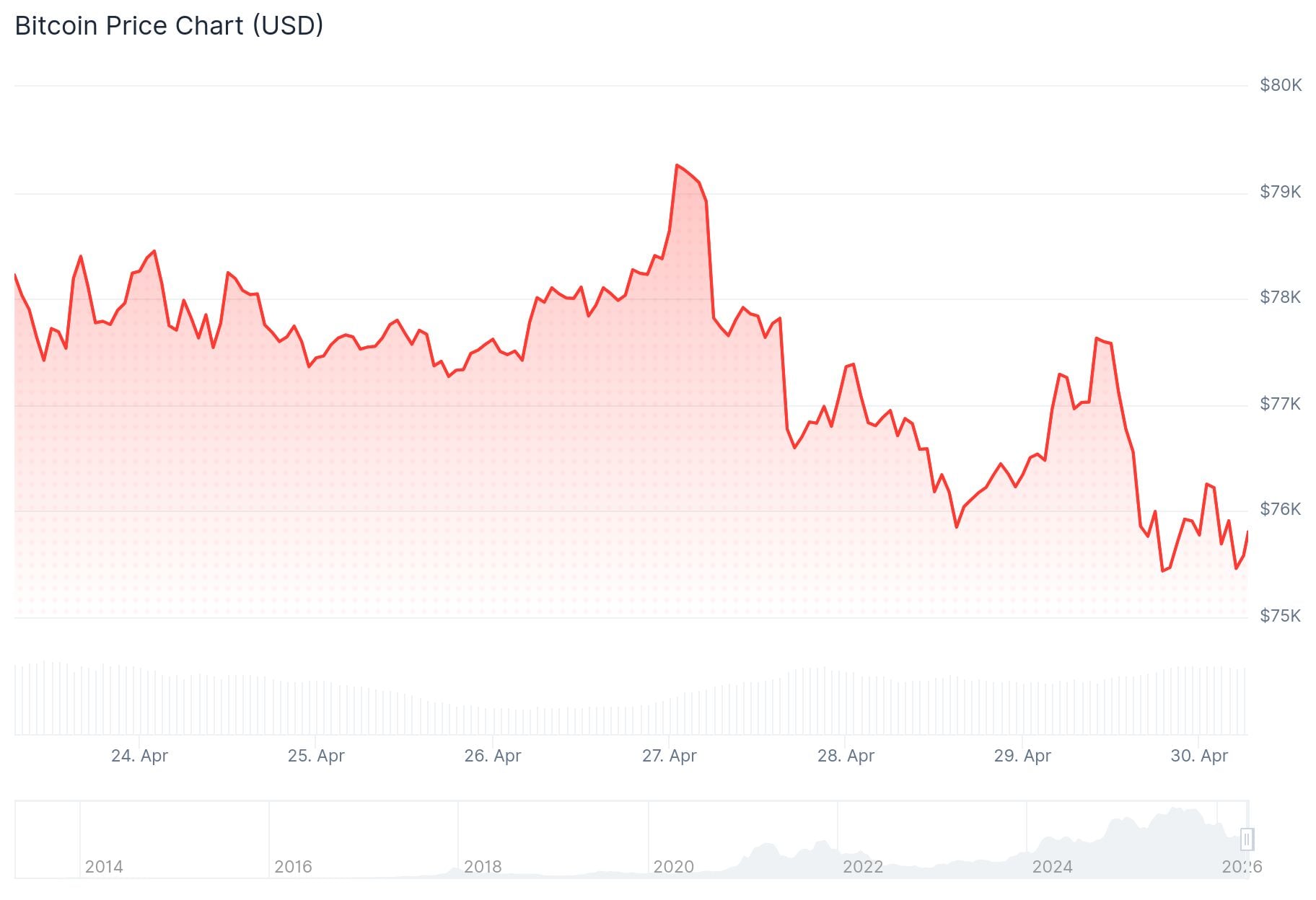
Daily Market Update: BTC Slides to $75K as Oil Hits Four-Year High and Tech Earnings Divide Wall Street