

Critical Warning: MSCI Index Removal Could Trigger $2.8 Billion Strategy Exodus by 2026
BitcoinWorld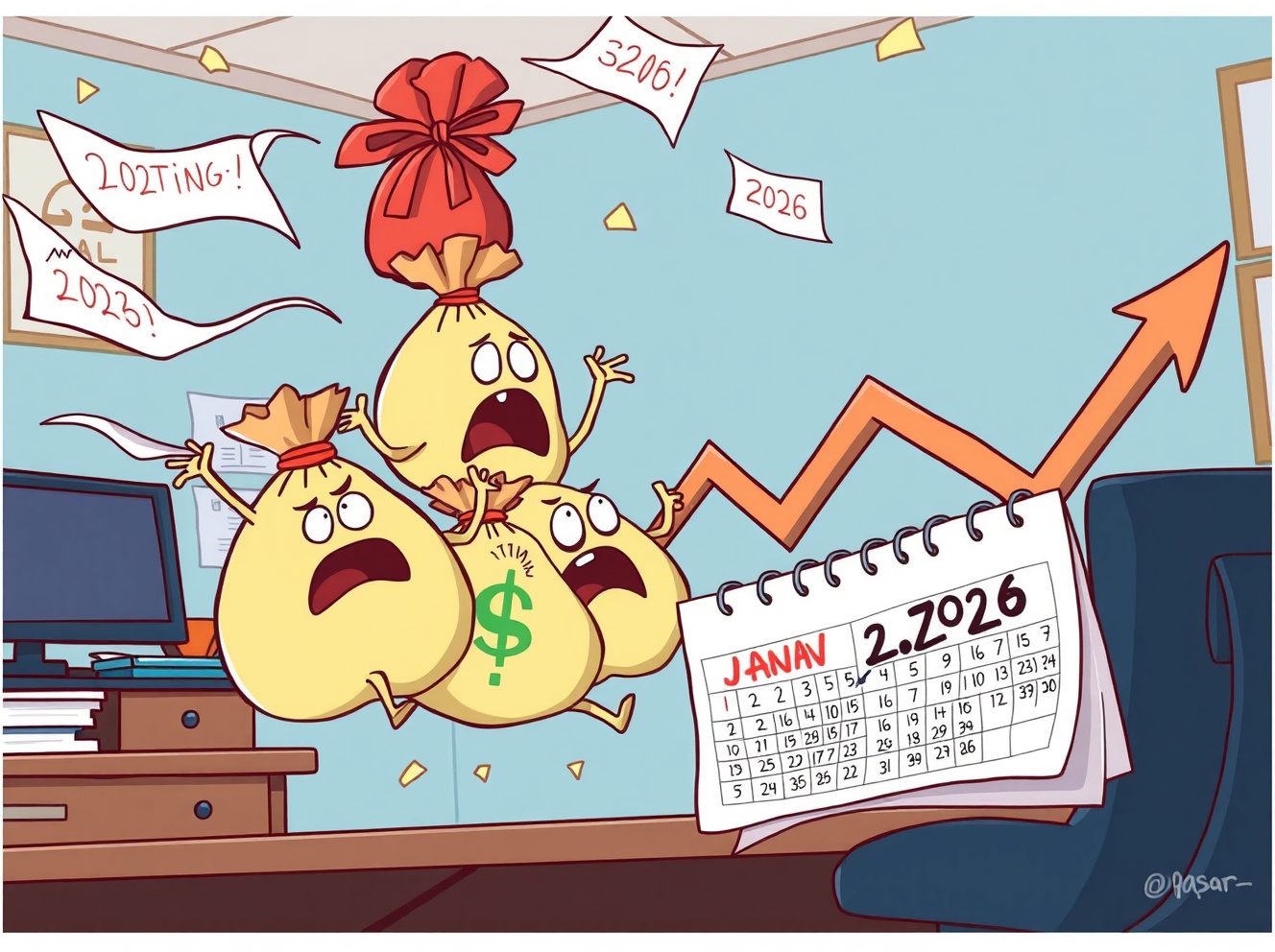
Critical Warning: MSCI Index Removal Could Trigger $2.8 Billion Strategy Exodus by 2026
Imagine waking up to discover your investment could face nearly $3 billion in outflows overnight. That’s the stark reality JPMorgan warns about regarding potential MSCI index removal consequences. The banking giant’s recent analysis reveals how index inclusion changes can dramatically reshape fund flows and investment landscapes.
What Does MSCI Index Removal Mean for Investors?
When a company faces MSCI index removal, institutional investors who track these indexes must sell their positions. This creates forced selling pressure that can significantly impact stock prices and fund flows. JPMorgan’s analysis specifically highlights how Strategy could experience substantial outflows if delisted from major indexes.
The bank projects approximately $2.8 billion in immediate outflows if the MSCI index removal occurs. However, the situation becomes more concerning when considering broader implications. Index funds and ETFs that mirror MSCI compositions would be compelled to rebalance their portfolios, creating a domino effect across markets.
How Severe Could the Financial Impact Be?
JPMorgan’s warning extends beyond the initial $2.8 billion estimate. The bank suggests an additional $8.8 billion could exit if other index providers follow suit with their own delisting decisions. This represents a potential total outflow exceeding $11 billion, which would represent a substantial portion of Strategy’s market presence.
The key factors driving this massive potential outflow include:
• Passive investment tracking – Funds that automatically follow index compositions
• Institutional rebalancing – Large-scale portfolio adjustments by major investors
• Contagion effect – Other index providers potentially following MSCI’s lead
• Market sentiment impact – Additional selling from nervous retail investors
When Should Investors Prepare for This Scenario?
Mark your calendars for January 15, 2026. This date represents the next scheduled MSCI index rebalancing, making it the crucial timeframe investors should monitor. While this seems distant, institutional investors typically begin positioning months in advance, meaning market impacts could materialize well before the actual date.
The 2026 timeline provides both challenge and opportunity. Investors have time to assess their positions and develop contingency plans. However, it also means prolonged uncertainty as markets anticipate the potential MSCI index removal decision and its consequences.
What Protective Measures Can Investors Take?
Proactive investors should consider several strategies to mitigate potential MSCI index removal impacts. Diversification remains the cornerstone of risk management, ensuring no single index decision can disproportionately affect your portfolio. Additionally, monitoring institutional ownership patterns and fund flow data can provide early warning signals.
Key protective measures include:
• Portfolio rebalancing – Gradually adjusting positions before potential forced selling
• Alternative investments – Exploring non-correlated assets to offset potential losses
• Hedging strategies – Using options or other derivatives to protect against downside risk
• Continuous monitoring – Staying updated on MSCI announcements and analyst reports
Why Does This MSCI Index Removal Warning Matter Now?
JPMorgan’s analysis serves as a crucial reminder that index composition changes represent significant market-moving events. The potential $2.8 billion outflow from MSCI index removal alone would rank among substantial financial market adjustments. When combined with possible additional outflows from other index providers, the total impact could reshape Strategy’s investor base and trading patterns.
This situation underscores how passive investing trends have increased the importance of index inclusion decisions. As more capital flows into index-tracking funds, the consequences of MSCI index removal decisions become increasingly magnified across global markets.
Conclusion: Navigating the Index Inclusion Landscape
JPMorgan’s warning about potential MSCI index removal consequences highlights the evolving nature of modern investing. The days when index changes were minor footnotes have passed. Today, these decisions can trigger billion-dollar fund flows and significantly alter investment outcomes. While the January 2026 rebalancing provides time for preparation, informed investors should begin their assessment processes now rather than waiting for potential turbulence.
The key takeaway remains clear: in today’s index-dominated investment world, understanding the implications of MSCI index removal decisions is no longer optional—it’s essential for portfolio protection and strategic planning.
Frequently Asked Questions
What triggers MSCI index removal?
MSCI regularly reviews index components based on market capitalization, liquidity, and other qualification criteria. Companies that no longer meet these standards face potential removal during scheduled rebalancing periods.
How quickly do outflows occur after index removal?
Outflows typically begin immediately after the official removal date as index-tracking funds rebalance their portfolios. However, some anticipatory selling may occur in the weeks leading up to the change.
Can companies recover after MSCI index removal?
Yes, recovery is possible if the company addresses the issues that led to removal and requalifies for inclusion during future rebalancing periods. However, the process can take considerable time and fundamental improvement.
Do all index providers make simultaneous removal decisions?
No, different index providers have independent review processes and timelines. However, major providers often make similar decisions based on common qualification criteria.
How can retail investors monitor potential index changes?
Retail investors should follow announcements from major index providers, monitor analyst reports, and track institutional ownership changes through regulatory filings and financial news sources.
What other consequences follow MSCI index removal beyond outflows?
Additional impacts include reduced analyst coverage, decreased trading liquidity, higher volatility, and potential credit rating reviews as market visibility declines.
Found this analysis crucial for understanding modern investment risks? Share this article with fellow investors on social media to help them prepare for potential index changes and protect their portfolios from unexpected market movements.
To learn more about the latest investment strategy trends, explore our article on key developments shaping institutional investment future market positioning.
This post Critical Warning: MSCI Index Removal Could Trigger $2.8 Billion Strategy Exodus by 2026 first appeared on BitcoinWorld.
You May Also Like
Ethereum Price Prediction: ETH Targets $10,000 In 2026 But Layer Brett Could Reach $1 From $0.0058

Best Crypto to Buy as Saylor & Crypto Execs Meet in US Treasury Council

