President Donald Trump has escalated his public feud with Federal Reserve Chair Jerome Powell, branding him a “numbskull” while simultaneously pledging not to fire the central bank chief despite mounting frustration over the Fed’s reluctance to slash interest rates. Speaking at a White House event Thursday, Trump delivered his harshest criticism of Powell’s monetary policy approach, claiming that lowering rates by just one percentage point could save the United States $300 billion annually, while a two-point reduction would generate $600 billion in savings. Why Trump Wants to ‘Force Something’ Trump’s latest verbal assault marks the third time in two days that his administration has publicly targeted Powell. It follows similar criticisms from Commerce Secretary Howard Lutnick and Vice President JD Vance, who called the Fed’s stance “monetary malpractice.” The president has been saying this for a while, but it's even more clear: the refusal by the Fed to cut rates is monetary malpractice. https://t.co/HqUjWxwcHs — JD Vance (@JDVance) June 11, 2025 The coordinated pressure campaign came from the administration’s growing impatience with the central bank’s independence, particularly as Trump faces re-election pressures and seeks to demonstrate economic leadership. Despite repeatedly calling Powell “Too Late” and questioning why firing him would be controversial, Trump stopped short of threatening termination, instead ominously suggesting he “may have to force something” if rate cuts don’t materialize soon. The timing of Trump’s criticism appears strategic, coming as recent economic indicators show inflation cooling and energy prices declining due to increased domestic drilling under his “drill, baby, drill” energy policy. US Inflation Rate Source: TradingEconomics Powell’s current term as Fed chair expires in May 2026, and Trump has hinted that an announcement regarding his nominee for the next Fed chair could come soon. Harvard legal experts suggest that while Trump may have constitutional authority to remove Powell, such a move would likely trigger severe market volatility and undermine the Fed’s credibility as an inflation fighter, potentially causing long-term interest rates to spike even if short-term rates were cut. Presidential Pressure Campaign Intensifies Fed Independence Debate The escalating confrontation between Trump and Powell is a fundamental clash over Federal Reserve independence with deep constitutional and economic implications. Trump’s frustration stems from his belief that the current interest rate environment unnecessarily burdens federal borrowing costs, particularly as the government faces mounting short-term debt obligations approved during the Biden administration. Europe Rate Cuts Source: European Central Bank The president argued that Europe has implemented ten rate cuts while the Fed has delivered none, despite similar economic conditions and falling inflation metrics. Legal scholars say that while the Federal Reserve Act of 1913 allows governors to be removed “for cause,” the Supreme Court’s recent decisions have gradually eroded the traditional “for cause” protections that independent agencies have enjoyed for 85 years. Harvard Law School’s Daniel Tarullo, a former Fed Board member, suggests that three conservative justices have hinted at potentially treating the Federal Reserve differently from other agencies, possibly creating a carve-out based on the central bank’s historical precedent dating back to the First and Second Banks of the United States. However, market dynamics may provide Powell with more protection than legal statutes, as any attempt to remove the Fed chair would likely trigger immediate and severe market reactions that would prove counterproductive to Trump’s economic objectives. The anticipated market volatility is a powerful disincentive, particularly given that Treasury Secretary Scott Bessent has focused on maintaining stable 10-year Treasury rates, which are key for economic investment decisions. Recent economic indicators have strengthened Trump’s argument for immediate monetary easing. Inflation data show continued price stability and energy costs declining due to expanded domestic oil production. US Energy Inflation Source: TradingEconomics The favorable Producer Price Index reading in May has calmed fears about tariff-induced inflation spikes, emboldening the administration to intensify pressure on the Fed while markets increasingly price in potential rate cuts later this year.President Donald Trump has escalated his public feud with Federal Reserve Chair Jerome Powell, branding him a “numbskull” while simultaneously pledging not to fire the central bank chief despite mounting frustration over the Fed’s reluctance to slash interest rates. Speaking at a White House event Thursday, Trump delivered his harshest criticism of Powell’s monetary policy approach, claiming that lowering rates by just one percentage point could save the United States $300 billion annually, while a two-point reduction would generate $600 billion in savings. Why Trump Wants to ‘Force Something’ Trump’s latest verbal assault marks the third time in two days that his administration has publicly targeted Powell. It follows similar criticisms from Commerce Secretary Howard Lutnick and Vice President JD Vance, who called the Fed’s stance “monetary malpractice.” The president has been saying this for a while, but it's even more clear: the refusal by the Fed to cut rates is monetary malpractice. https://t.co/HqUjWxwcHs — JD Vance (@JDVance) June 11, 2025 The coordinated pressure campaign came from the administration’s growing impatience with the central bank’s independence, particularly as Trump faces re-election pressures and seeks to demonstrate economic leadership. Despite repeatedly calling Powell “Too Late” and questioning why firing him would be controversial, Trump stopped short of threatening termination, instead ominously suggesting he “may have to force something” if rate cuts don’t materialize soon. The timing of Trump’s criticism appears strategic, coming as recent economic indicators show inflation cooling and energy prices declining due to increased domestic drilling under his “drill, baby, drill” energy policy. US Inflation Rate Source: TradingEconomics Powell’s current term as Fed chair expires in May 2026, and Trump has hinted that an announcement regarding his nominee for the next Fed chair could come soon. Harvard legal experts suggest that while Trump may have constitutional authority to remove Powell, such a move would likely trigger severe market volatility and undermine the Fed’s credibility as an inflation fighter, potentially causing long-term interest rates to spike even if short-term rates were cut. Presidential Pressure Campaign Intensifies Fed Independence Debate The escalating confrontation between Trump and Powell is a fundamental clash over Federal Reserve independence with deep constitutional and economic implications. Trump’s frustration stems from his belief that the current interest rate environment unnecessarily burdens federal borrowing costs, particularly as the government faces mounting short-term debt obligations approved during the Biden administration. Europe Rate Cuts Source: European Central Bank The president argued that Europe has implemented ten rate cuts while the Fed has delivered none, despite similar economic conditions and falling inflation metrics. Legal scholars say that while the Federal Reserve Act of 1913 allows governors to be removed “for cause,” the Supreme Court’s recent decisions have gradually eroded the traditional “for cause” protections that independent agencies have enjoyed for 85 years. Harvard Law School’s Daniel Tarullo, a former Fed Board member, suggests that three conservative justices have hinted at potentially treating the Federal Reserve differently from other agencies, possibly creating a carve-out based on the central bank’s historical precedent dating back to the First and Second Banks of the United States. However, market dynamics may provide Powell with more protection than legal statutes, as any attempt to remove the Fed chair would likely trigger immediate and severe market reactions that would prove counterproductive to Trump’s economic objectives. The anticipated market volatility is a powerful disincentive, particularly given that Treasury Secretary Scott Bessent has focused on maintaining stable 10-year Treasury rates, which are key for economic investment decisions. Recent economic indicators have strengthened Trump’s argument for immediate monetary easing. Inflation data show continued price stability and energy costs declining due to expanded domestic oil production. US Energy Inflation Source: TradingEconomics The favorable Producer Price Index reading in May has calmed fears about tariff-induced inflation spikes, emboldening the administration to intensify pressure on the Fed while markets increasingly price in potential rate cuts later this year.

Donald Trump Warns Fed: Slash Rates or I’ll “Force Something” – Powell’s Job Still Safe

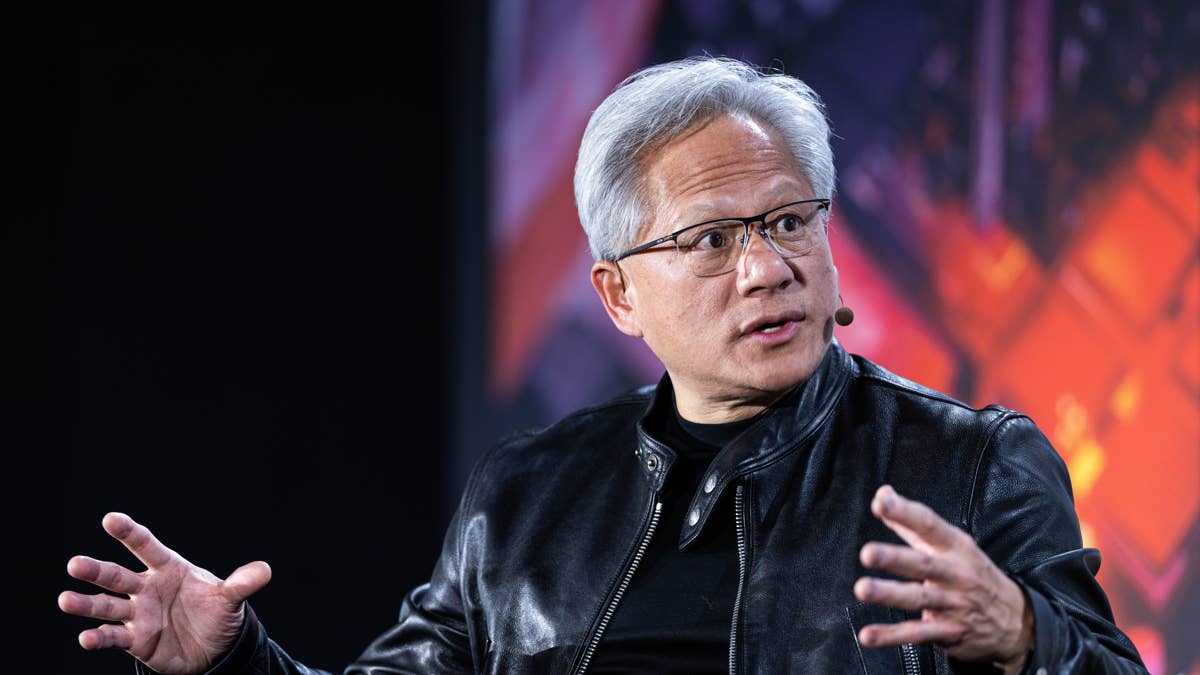
President Donald Trump has escalated his public feud with Federal Reserve Chair Jerome Powell, branding him a “numbskull” while simultaneously pledging not to fire the central bank chief despite mounting frustration over the Fed’s reluctance to slash interest rates.

Speaking at a White House event Thursday, Trump delivered his harshest criticism of Powell’s monetary policy approach, claiming that lowering rates by just one percentage point could save the United States $300 billion annually, while a two-point reduction would generate $600 billion in savings.

Why Trump Wants to ‘Force Something’

Trump’s latest verbal assault marks the third time in two days that his administration has publicly targeted Powell. It follows similar criticisms from Commerce Secretary Howard Lutnick and Vice President JD Vance, who called the Fed’s stance “monetary malpractice.”

The coordinated pressure campaign came from the administration’s growing impatience with the central bank’s independence, particularly as Trump faces re-election pressures and seeks to demonstrate economic leadership.

Despite repeatedly calling Powell “Too Late” and questioning why firing him would be controversial, Trump stopped short of threatening termination, instead ominously suggesting he “may have to force something” if rate cuts don’t materialize soon.

The timing of Trump’s criticism appears strategic, coming as recent economic indicators show inflation cooling and energy prices declining due to increased domestic drilling under his “drill, baby, drill” energy policy.

Trump Vows Not to Sack Powell – Yet Threatens “I May Have to Force Something” if Fed Doesn’t Slash Rates Fast!US Inflation Rate Source: TradingEconomics

Powell’s current term as Fed chair expires in May 2026, and Trump has hinted that an announcement regarding his nominee for the next Fed chair could come soon.

Harvard legal experts suggest that while Trump may have constitutional authority to remove Powell, such a move would likely trigger severe market volatility and undermine the Fed’s credibility as an inflation fighter, potentially causing long-term interest rates to spike even if short-term rates were cut.

Presidential Pressure Campaign Intensifies Fed Independence Debate

The escalating confrontation between Trump and Powell is a fundamental clash over Federal Reserve independence with deep constitutional and economic implications.

Trump’s frustration stems from his belief that the current interest rate environment unnecessarily burdens federal borrowing costs, particularly as the government faces mounting short-term debt obligations approved during the Biden administration.

Trump Vows Not to Sack Powell – Yet Threatens “I May Have to Force Something” if Fed Doesn’t Slash Rates Fast!Europe Rate Cuts Source: European Central Bank

The president argued that Europe has implemented ten rate cuts while the Fed has delivered none, despite similar economic conditions and falling inflation metrics.

Legal scholars say that while the Federal Reserve Act of 1913 allows governors to be removed “for cause,” the Supreme Court’s recent decisions have gradually eroded the traditional “for cause” protections that independent agencies have enjoyed for 85 years.

Harvard Law School’s Daniel Tarullo, a former Fed Board member, suggests that three conservative justices have hinted at potentially treating the Federal Reserve differently from other agencies, possibly creating a carve-out based on the central bank’s historical precedent dating back to the First and Second Banks of the United States.

However, market dynamics may provide Powell with more protection than legal statutes, as any attempt to remove the Fed chair would likely trigger immediate and severe market reactions that would prove counterproductive to Trump’s economic objectives.

The anticipated market volatility is a powerful disincentive, particularly given that Treasury Secretary Scott Bessent has focused on maintaining stable 10-year Treasury rates, which are key for economic investment decisions.

Recent economic indicators have strengthened Trump’s argument for immediate monetary easing. Inflation data show continued price stability and energy costs declining due to expanded domestic oil production.

Trump Vows Not to Sack Powell – Yet Threatens “I May Have to Force Something” if Fed Doesn’t Slash Rates Fast!US Energy Inflation Source: TradingEconomics

The favorable Producer Price Index reading in May has calmed fears about tariff-induced inflation spikes, emboldening the administration to intensify pressure on the Fed while markets increasingly price in potential rate cuts later this year.


Market Opportunity
Threshold Logo
Threshold Price(T)
$0,009383
$0,009383$0,009383
-0,92%
USD
Threshold (T) Live Price Chart
Disclaimer: The articles reposted on this site are sourced from public platforms and are provided for informational purposes only. They do not necessarily reflect the views of MEXC. All rights remain with the original authors. If you believe any content infringes on third-party rights, please contact [email protected] for removal. MEXC makes no guarantees regarding the accuracy, completeness, or timeliness of the content and is not responsible for any actions taken based on the information provided. The content does not constitute financial, legal, or other professional advice, nor should it be considered a recommendation or endorsement by MEXC.

You May Also Like

FCA komt in 2026 met aangepaste cryptoregels voor Britse markt

FCA komt in 2026 met aangepaste cryptoregels voor Britse markt

De Britse financiële waakhond, de FCA, komt in 2026 met nieuwe regels speciaal voor crypto bedrijven. Wat direct opvalt: de toezichthouder laat enkele klassieke financiële verplichtingen los om beter aan te sluiten op de snelle en grillige wereld van digitale activa. Tegelijkertijd wordt er extra nadruk gelegd op digitale beveiliging,... Het bericht FCA komt in 2026 met aangepaste cryptoregels voor Britse markt verscheen het eerst op Blockchain Stories.
Share
Coinstats2025/09/18 00:33
Polygon Tops RWA Rankings With $1.1B in Tokenized Assets

Polygon Tops RWA Rankings With $1.1B in Tokenized Assets

The post Polygon Tops RWA Rankings With $1.1B in Tokenized Assets appeared on BitcoinEthereumNews.com. Key Notes A new report from Dune and RWA.xyz highlights Polygon’s role in the growing RWA sector. Polygon PoS currently holds $1.13 billion in RWA Total Value Locked (TVL) across 269 assets. The network holds a 62% market share of tokenized global bonds, driven by European money market funds. The Polygon POL $0.25 24h volatility: 1.4% Market cap: $2.64 B Vol. 24h: $106.17 M network is securing a significant position in the rapidly growing tokenization space, now holding over $1.13 billion in total value locked (TVL) from Real World Assets (RWAs). This development comes as the network continues to evolve, recently deploying its major “Rio” upgrade on the Amoy testnet to enhance future scaling capabilities. This information comes from a new joint report on the state of the RWA market published on Sept. 17 by blockchain analytics firm Dune and data platform RWA.xyz. The focus on RWAs is intensifying across the industry, coinciding with events like the ongoing Real-World Asset Summit in New York. Sandeep Nailwal, CEO of the Polygon Foundation, highlighted the findings via a post on X, noting that the TVL is spread across 269 assets and 2,900 holders on the Polygon PoS chain. The Dune and https://t.co/W6WSFlHoQF report on RWA is out and it shows that RWA is happening on Polygon. Here are a few highlights: – Leading in Global Bonds: Polygon holds 62% share of tokenized global bonds (driven by Spiko’s euro MMF and Cashlink euro issues) – Spiko U.S.… — Sandeep | CEO, Polygon Foundation (※,※) (@sandeepnailwal) September 17, 2025 Key Trends From the 2025 RWA Report The joint publication, titled “RWA REPORT 2025,” offers a comprehensive look into the tokenized asset landscape, which it states has grown 224% since the start of 2024. The report identifies several key trends driving this expansion. According to…
Share
BitcoinEthereumNews2025/09/18 00:40
Top Crypto to Buy in 2026: Can IPO Genie $IPO Deliver Higher Gains Than BlockDAG?

Top Crypto to Buy in 2026: Can IPO Genie $IPO Deliver Higher Gains Than BlockDAG?

Can IPO Genie Bring More ROI Than BlockDAG? Read on to know which one of these presales have a chance […] The post Top Crypto to Buy in 2026: Can IPO Genie $IPO
Share
Coindoo2026/01/12 05:00