BitcoinWorld Revealing Bitcoin’s December Performance: 7 Losses Since 2013 Challenge Holiday Rally Myth Does Bitcoin typically rally during the holiday season? Many investors assume December brings festive gains, but historical data tells a more nuanced story. An analysis of Bitcoin December performance since 2013 reveals surprising patterns that challenge common assumptions about year-end market behavior. What Does Historical Bitcoin December Performance Really Show? According to comprehensive data from Coinglass, Bitcoin’s December track record is more balanced than many realize. Since 2013, the cryptocurrency has closed December with gains only five times. However, it has recorded losses seven times during the same period. This historical perspective provides valuable context for investors expecting consistent year-end rallies. The data reveals significant volatility in December returns. The largest monthly gain occurred in 2020 with an impressive 46.9% increase. Conversely, the most substantial drop happened in 2013 with a 34.8% decline. Despite these extremes, the average monthly return for Bitcoin in December stands at 4.0% over this timeframe. Why Does Bitcoin’s December Performance Matter for Investors? Understanding Bitcoin December performance patterns helps investors make informed decisions. The historical data suggests several important considerations: Manage expectations: December doesn’t guarantee positive returns Prepare for volatility: Both significant gains and losses have occurred Consider context: Each year has unique market conditions Look beyond averages: The 4.0% average masks wide variations Seasonal patterns in cryptocurrency markets can influence trading strategies and portfolio management. However, investors should remember that past performance doesn’t guarantee future results. Each December brings new market dynamics, regulatory developments, and macroeconomic factors that can override historical trends. How Can You Use Bitcoin December Performance Data Wisely? Historical analysis of Bitcoin December performance serves as one tool among many for market participants. Rather than relying solely on seasonal patterns, consider these approaches: Combine historical data with current market analysis Monitor institutional adoption trends during year-end Watch for tax-related selling pressure in certain jurisdictions Consider global economic factors affecting all risk assets The seven losing Decembers since 2013 remind us that cryptocurrency markets remain unpredictable. While patterns emerge over time, each year presents unique circumstances that can disrupt historical trends. Therefore, a balanced perspective that respects both data and current conditions serves investors best. What Does This Mean for Future December Performance? Analyzing Bitcoin December performance provides context but not certainty. The cryptocurrency market has evolved significantly since 2013, with increased institutional participation, regulatory developments, and broader adoption. These changes may influence future December patterns differently than historical data suggests. Market maturity could potentially reduce extreme volatility during December. However, new factors like institutional rebalancing, year-end profit-taking, and regulatory announcements may introduce different seasonal pressures. The key insight remains that December represents just one month in Bitcoin’s ongoing journey, with long-term trends mattering more than any single month’s performance. Conclusion: Putting Bitcoin December Performance in Perspective Bitcoin’s December track record since 2013 reveals a market that defies simple seasonal expectations. With seven losing months versus five gaining ones, the data challenges the notion of consistent year-end rallies. The 4.0% average return conceals dramatic swings from 46.9% gains to 34.8% losses, reminding investors of cryptocurrency’s inherent volatility. Historical Bitcoin December performance serves as valuable context rather than a predictive tool. As the cryptocurrency ecosystem continues evolving, December patterns may shift accordingly. The most prudent approach combines respect for historical data with attention to current market fundamentals, recognizing that each December writes its own unique chapter in Bitcoin’s ongoing story. Frequently Asked Questions How many times has Bitcoin closed December with a gain since 2013? Bitcoin has closed December with a gain five times since 2013, according to Coinglass data. What was Bitcoin’s best December performance? The best December performance occurred in 2020 with a 46.9% monthly gain. What was Bitcoin’s worst December performance? The worst December performance happened in 2013 with a 34.8% monthly decline. What is Bitcoin’s average December return since 2013? The average monthly return for Bitcoin in December since 2013 is 4.0%. Should I expect Bitcoin to rise every December? Historical data shows December doesn’t guarantee gains, with losses occurring more frequently than gains since 2013. How reliable are seasonal patterns in cryptocurrency markets? While historical patterns provide context, cryptocurrency markets remain influenced by numerous factors, making seasonal trends less reliable than in traditional markets. Found this analysis of Bitcoin December performance insightful? Share this article with fellow cryptocurrency enthusiasts on social media to spread valuable market knowledge. Your shares help build a more informed investment community. To learn more about the latest Bitcoin trends, explore our article on key developments shaping Bitcoin price action and institutional adoption. This post Revealing Bitcoin’s December Performance: 7 Losses Since 2013 Challenge Holiday Rally Myth first appeared on BitcoinWorld.BitcoinWorld Revealing Bitcoin’s December Performance: 7 Losses Since 2013 Challenge Holiday Rally Myth Does Bitcoin typically rally during the holiday season? Many investors assume December brings festive gains, but historical data tells a more nuanced story. An analysis of Bitcoin December performance since 2013 reveals surprising patterns that challenge common assumptions about year-end market behavior. What Does Historical Bitcoin December Performance Really Show? According to comprehensive data from Coinglass, Bitcoin’s December track record is more balanced than many realize. Since 2013, the cryptocurrency has closed December with gains only five times. However, it has recorded losses seven times during the same period. This historical perspective provides valuable context for investors expecting consistent year-end rallies. The data reveals significant volatility in December returns. The largest monthly gain occurred in 2020 with an impressive 46.9% increase. Conversely, the most substantial drop happened in 2013 with a 34.8% decline. Despite these extremes, the average monthly return for Bitcoin in December stands at 4.0% over this timeframe. Why Does Bitcoin’s December Performance Matter for Investors? Understanding Bitcoin December performance patterns helps investors make informed decisions. The historical data suggests several important considerations: Manage expectations: December doesn’t guarantee positive returns Prepare for volatility: Both significant gains and losses have occurred Consider context: Each year has unique market conditions Look beyond averages: The 4.0% average masks wide variations Seasonal patterns in cryptocurrency markets can influence trading strategies and portfolio management. However, investors should remember that past performance doesn’t guarantee future results. Each December brings new market dynamics, regulatory developments, and macroeconomic factors that can override historical trends. How Can You Use Bitcoin December Performance Data Wisely? Historical analysis of Bitcoin December performance serves as one tool among many for market participants. Rather than relying solely on seasonal patterns, consider these approaches: Combine historical data with current market analysis Monitor institutional adoption trends during year-end Watch for tax-related selling pressure in certain jurisdictions Consider global economic factors affecting all risk assets The seven losing Decembers since 2013 remind us that cryptocurrency markets remain unpredictable. While patterns emerge over time, each year presents unique circumstances that can disrupt historical trends. Therefore, a balanced perspective that respects both data and current conditions serves investors best. What Does This Mean for Future December Performance? Analyzing Bitcoin December performance provides context but not certainty. The cryptocurrency market has evolved significantly since 2013, with increased institutional participation, regulatory developments, and broader adoption. These changes may influence future December patterns differently than historical data suggests. Market maturity could potentially reduce extreme volatility during December. However, new factors like institutional rebalancing, year-end profit-taking, and regulatory announcements may introduce different seasonal pressures. The key insight remains that December represents just one month in Bitcoin’s ongoing journey, with long-term trends mattering more than any single month’s performance. Conclusion: Putting Bitcoin December Performance in Perspective Bitcoin’s December track record since 2013 reveals a market that defies simple seasonal expectations. With seven losing months versus five gaining ones, the data challenges the notion of consistent year-end rallies. The 4.0% average return conceals dramatic swings from 46.9% gains to 34.8% losses, reminding investors of cryptocurrency’s inherent volatility. Historical Bitcoin December performance serves as valuable context rather than a predictive tool. As the cryptocurrency ecosystem continues evolving, December patterns may shift accordingly. The most prudent approach combines respect for historical data with attention to current market fundamentals, recognizing that each December writes its own unique chapter in Bitcoin’s ongoing story. Frequently Asked Questions How many times has Bitcoin closed December with a gain since 2013? Bitcoin has closed December with a gain five times since 2013, according to Coinglass data. What was Bitcoin’s best December performance? The best December performance occurred in 2020 with a 46.9% monthly gain. What was Bitcoin’s worst December performance? The worst December performance happened in 2013 with a 34.8% monthly decline. What is Bitcoin’s average December return since 2013? The average monthly return for Bitcoin in December since 2013 is 4.0%. Should I expect Bitcoin to rise every December? Historical data shows December doesn’t guarantee gains, with losses occurring more frequently than gains since 2013. How reliable are seasonal patterns in cryptocurrency markets? While historical patterns provide context, cryptocurrency markets remain influenced by numerous factors, making seasonal trends less reliable than in traditional markets. Found this analysis of Bitcoin December performance insightful? Share this article with fellow cryptocurrency enthusiasts on social media to spread valuable market knowledge. Your shares help build a more informed investment community. To learn more about the latest Bitcoin trends, explore our article on key developments shaping Bitcoin price action and institutional adoption. This post Revealing Bitcoin’s December Performance: 7 Losses Since 2013 Challenge Holiday Rally Myth first appeared on BitcoinWorld.

Revealing Bitcoin’s December Performance: 7 Losses Since 2013 Challenge Holiday Rally Myth

2025/12/01 17:00
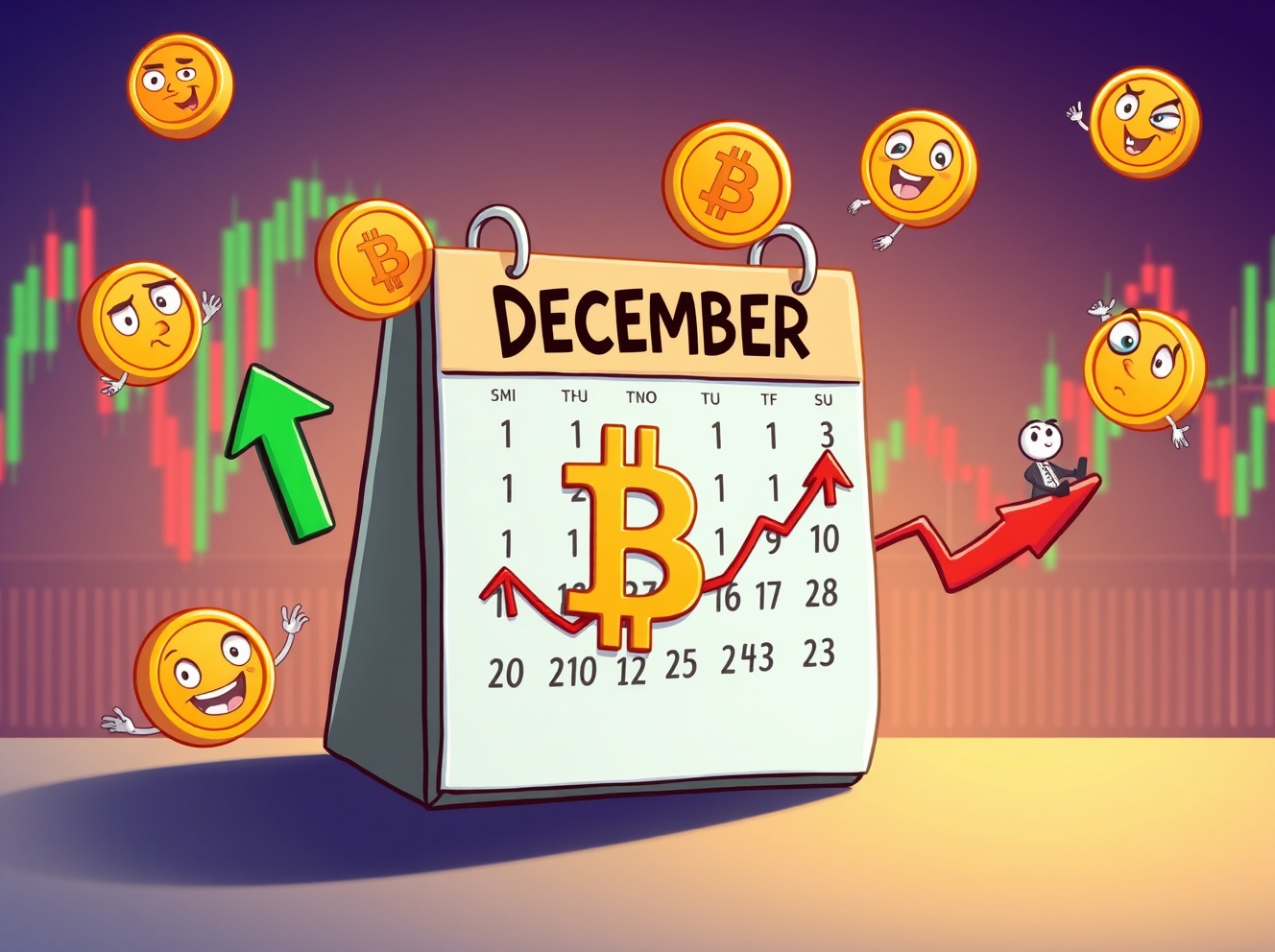
Bitcoin December performance illustrated as a rollercoaster calendar showing volatile monthly returns

BitcoinWorld

Revealing Bitcoin’s December Performance: 7 Losses Since 2013 Challenge Holiday Rally Myth

Does Bitcoin typically rally during the holiday season? Many investors assume December brings festive gains, but historical data tells a more nuanced story. An analysis of Bitcoin December performance since 2013 reveals surprising patterns that challenge common assumptions about year-end market behavior.

What Does Historical Bitcoin December Performance Really Show?

According to comprehensive data from Coinglass, Bitcoin’s December track record is more balanced than many realize. Since 2013, the cryptocurrency has closed December with gains only five times. However, it has recorded losses seven times during the same period. This historical perspective provides valuable context for investors expecting consistent year-end rallies.

The data reveals significant volatility in December returns. The largest monthly gain occurred in 2020 with an impressive 46.9% increase. Conversely, the most substantial drop happened in 2013 with a 34.8% decline. Despite these extremes, the average monthly return for Bitcoin in December stands at 4.0% over this timeframe.

Why Does Bitcoin’s December Performance Matter for Investors?

Understanding Bitcoin December performance patterns helps investors make informed decisions. The historical data suggests several important considerations:

  • Manage expectations: December doesn’t guarantee positive returns
  • Prepare for volatility: Both significant gains and losses have occurred
  • Consider context: Each year has unique market conditions
  • Look beyond averages: The 4.0% average masks wide variations

Seasonal patterns in cryptocurrency markets can influence trading strategies and portfolio management. However, investors should remember that past performance doesn’t guarantee future results. Each December brings new market dynamics, regulatory developments, and macroeconomic factors that can override historical trends.

How Can You Use Bitcoin December Performance Data Wisely?

Historical analysis of Bitcoin December performance serves as one tool among many for market participants. Rather than relying solely on seasonal patterns, consider these approaches:

  • Combine historical data with current market analysis
  • Monitor institutional adoption trends during year-end
  • Watch for tax-related selling pressure in certain jurisdictions
  • Consider global economic factors affecting all risk assets

The seven losing Decembers since 2013 remind us that cryptocurrency markets remain unpredictable. While patterns emerge over time, each year presents unique circumstances that can disrupt historical trends. Therefore, a balanced perspective that respects both data and current conditions serves investors best.

What Does This Mean for Future December Performance?

Analyzing Bitcoin December performance provides context but not certainty. The cryptocurrency market has evolved significantly since 2013, with increased institutional participation, regulatory developments, and broader adoption. These changes may influence future December patterns differently than historical data suggests.

Market maturity could potentially reduce extreme volatility during December. However, new factors like institutional rebalancing, year-end profit-taking, and regulatory announcements may introduce different seasonal pressures. The key insight remains that December represents just one month in Bitcoin’s ongoing journey, with long-term trends mattering more than any single month’s performance.

Conclusion: Putting Bitcoin December Performance in Perspective

Bitcoin’s December track record since 2013 reveals a market that defies simple seasonal expectations. With seven losing months versus five gaining ones, the data challenges the notion of consistent year-end rallies. The 4.0% average return conceals dramatic swings from 46.9% gains to 34.8% losses, reminding investors of cryptocurrency’s inherent volatility.

Historical Bitcoin December performance serves as valuable context rather than a predictive tool. As the cryptocurrency ecosystem continues evolving, December patterns may shift accordingly. The most prudent approach combines respect for historical data with attention to current market fundamentals, recognizing that each December writes its own unique chapter in Bitcoin’s ongoing story.

Frequently Asked Questions

How many times has Bitcoin closed December with a gain since 2013?

Bitcoin has closed December with a gain five times since 2013, according to Coinglass data.

What was Bitcoin’s best December performance?

The best December performance occurred in 2020 with a 46.9% monthly gain.

What was Bitcoin’s worst December performance?

The worst December performance happened in 2013 with a 34.8% monthly decline.

What is Bitcoin’s average December return since 2013?

The average monthly return for Bitcoin in December since 2013 is 4.0%.

Should I expect Bitcoin to rise every December?

Historical data shows December doesn’t guarantee gains, with losses occurring more frequently than gains since 2013.

How reliable are seasonal patterns in cryptocurrency markets?

While historical patterns provide context, cryptocurrency markets remain influenced by numerous factors, making seasonal trends less reliable than in traditional markets.

Found this analysis of Bitcoin December performance insightful? Share this article with fellow cryptocurrency enthusiasts on social media to spread valuable market knowledge. Your shares help build a more informed investment community.

To learn more about the latest Bitcoin trends, explore our article on key developments shaping Bitcoin price action and institutional adoption.

This post Revealing Bitcoin’s December Performance: 7 Losses Since 2013 Challenge Holiday Rally Myth first appeared on BitcoinWorld.

Disclaimer: The articles reposted on this site are sourced from public platforms and are provided for informational purposes only. They do not necessarily reflect the views of MEXC. All rights remain with the original authors. If you believe any content infringes on third-party rights, please contact [email protected] for removal. MEXC makes no guarantees regarding the accuracy, completeness, or timeliness of the content and is not responsible for any actions taken based on the information provided. The content does not constitute financial, legal, or other professional advice, nor should it be considered a recommendation or endorsement by MEXC.

You May Also Like

Today’s Wordle #1630 Hints And Answer For Friday, December 5

Today’s Wordle #1630 Hints And Answer For Friday, December 5

The post Today’s Wordle #1630 Hints And Answer For Friday, December 5 appeared on BitcoinEthereumNews.com. How to solve today’s Wordle. SOPA Images/LightRocket via Getty Images Friday is here at long last. It’s the first Friday of December. In my hometown, First Friday is a big deal. There’s an art walk, live music. Local retailers will often have free beverages for shoppers (sometimes boozy, but in these chillier times it can be hot cocoa). It’s a nice way to kick off the month. I’ll be home playing games or watching my shows, of course, but then I’m a homebody to my very core. Speaking of games, let’s solve today’s Wordle! It’s 2XP Friday so double your points! Looking for Thursday’s Wordle? Check out our guide right here. Today’s Bonus Wordle Now that we can create our own custom Wordles, I’m including a bonus Wordle with each daily Wordle guide. These can be 4 to 7 letters long. Hopefully this is a fun extra challenge. Click the link below to play the Wordle I hand-crafted for you. Today’s Bonus Custom Wordle. This custom Wordle is 7 letters long. The hint: John Lennon urged us to be this kind of person. The clue: This Wordle has a double letter. Yesterday’s bonus Wordle answer was: SYMBOL Play Puzzles & Games on Forbes How To Solve Today’s Wordle How To Play Wordle Wordle game website displayed on a phone screen is seen in this illustration photo taken in Poland on August 6, 2024. (Photo by Jakub Porzycki/NurPhoto via Getty Images) NurPhoto via Getty Images Wordle is a daily word puzzle game where your goal is to guess a hidden five-letter word in six tries or fewer. After each guess, the game gives feedback to help you get closer to the answer: Green: The letter is in the word and in the correct spot. Yellow: The letter is in the word,…
Share
BitcoinEthereumNews2025/12/05 09:16
Edges higher ahead of BoC-Fed policy outcome

Edges higher ahead of BoC-Fed policy outcome

The post Edges higher ahead of BoC-Fed policy outcome appeared on BitcoinEthereumNews.com. USD/CAD gains marginally to near 1.3760 ahead of monetary policy announcements by the Fed and the BoC. Both the Fed and the BoC are expected to lower interest rates. USD/CAD forms a Head and Shoulder chart pattern. The USD/CAD pair ticks up to near 1.3760 during the late European session on Wednesday. The Loonie pair gains marginally ahead of monetary policy outcomes by the Bank of Canada (BoC) and the Federal Reserve (Fed) during New York trading hours. Both the BoC and the Fed are expected to cut interest rates amid mounting labor market conditions in their respective economies. Inflationary pressures in the Canadian economy have cooled down, emerging as another reason behind the BoC’s dovish expectations. However, the Fed is expected to start the monetary-easing campaign despite the United States (US) inflation remaining higher. Investors will closely monitor press conferences from both Fed Chair Jerome Powell and BoC Governor Tiff Macklem to get cues about whether there will be more interest rate cuts in the remainder of the year. According to analysts from Barclays, the Fed’s latest median projections for interest rates are likely to call for three interest rate cuts by 2025. Ahead of the Fed’s monetary policy, the US Dollar Index (DXY), which tracks the Greenback’s value against six major currencies, holds onto Tuesday’s losses near 96.60. USD/CAD forms a Head and Shoulder chart pattern, which indicates a bearish reversal. The neckline of the above-mentioned chart pattern is plotted near 1.3715. The near-term trend of the pair remains bearish as it stays below the 20-day Exponential Moving Average (EMA), which trades around 1.3800. The 14-day Relative Strength Index (RSI) slides to near 40.00. A fresh bearish momentum would emerge if the RSI falls below that level. Going forward, the asset could slide towards the round level of…
Share
BitcoinEthereumNews2025/09/18 01:23