Data Center Energy Demand Set to Skyrocket 300% by 2035 as AI Boom Accelerates
BitcoinWorld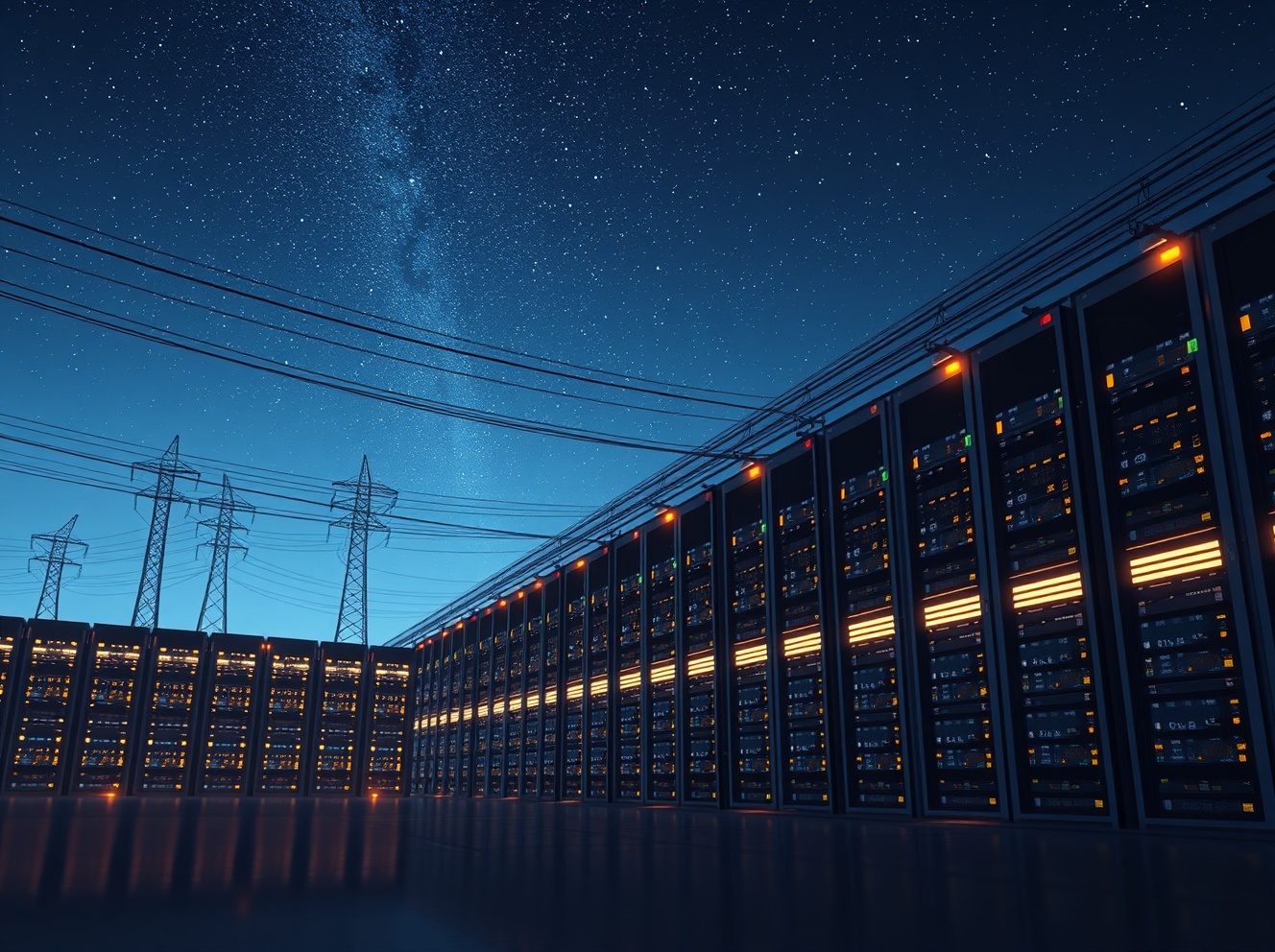
Data Center Energy Demand Set to Skyrocket 300% by 2035 as AI Boom Accelerates
The relentless expansion of artificial intelligence is triggering an unprecedented surge in data center energy consumption that could reshape global energy markets and challenge electrical grids worldwide. According to a startling new report from BloombergNEF, data center electricity demand is projected to nearly triple by 2035, reaching 106 gigawatts compared to today’s 40 gigawatts. This explosive growth presents both monumental challenges and opportunities for energy infrastructure and sustainability efforts.
Why Is Data Center Energy Demand Exploding?
The primary driver behind this dramatic increase is the artificial intelligence revolution. AI training and inference workloads are expected to account for nearly 40% of total data center compute capacity, up from current levels. This represents a fundamental shift in how computing resources are utilized, with AI models requiring exponentially more power than traditional cloud computing applications.
Consider these staggering projections:
- Today, only 10% of data centers consume more than 50 megawatts of electricity
- Over the next decade, the average new facility will draw over 100 megawatts
- Nearly a quarter of new data centers will exceed 500 megawatts
- Some mega-facilities will surpass 1 gigawatt – enough to power a medium-sized city
The Massive Scale of New Data Center Construction
Global investment in data center infrastructure has reached unprecedented levels, with $580 billion projected for this year alone – surpassing global spending on new oil supply exploration. This investment frenzy is creating facilities of previously unimaginable scale, with planned data centers being significantly larger than existing operations.
The geographical distribution is shifting dramatically as well. Much of the new capacity is moving to more rural areas as urban sites become scarce. Major growth is concentrated in:
- Virginia, Pennsylvania, Ohio, Illinois, and New Jersey (within PJM Interconnection territory)
- Texas (served by the ERCOT grid)
- Other regions with available land and energy resources
Electrical Grid Capacity Under Severe Pressure
The rapid expansion of data center construction is creating significant challenges for regional transmission organizations. The PJM Interconnection, which manages the electrical grid across 13 states including major data center markets, is facing particular scrutiny. Monitoring Analytics, the independent monitor for PJM, has filed a complaint with the Federal Energy Regulatory Commission (FERC) highlighting several critical issues:
| Challenge | Impact |
|---|---|
| Grid Reliability | PJM has authority to delay new data center connections until adequate capacity exists |
| Electricity Prices | Data centers are contributing to higher regional electricity costs |
| Load Management | Need for formalized queue systems for large new loads |
“PJM’s failure to clarify and enforce its existing rules and to protect reliable and affordable service in PJM is unjust and unreasonable,” stated Monitoring Analytics in their complaint.
How AI Is Transforming Data Center Energy Consumption
The utilization rate for all data centers is expected to increase from 59% to 69% as AI workloads become more dominant. This represents a fundamental shift in operational patterns, with AI training requiring continuous, high-intensity computing power rather than the intermittent demands of traditional cloud services.
Key factors driving this transformation:
- AI model complexity increasing exponentially
- Continuous training requirements for large language models
- Real-time inference demands for AI applications
- Specialized hardware (GPUs, TPUs) with higher power density
What Does This Mean for Future Energy Consumption?
The BloombergNEF report represents a significant upward revision from their April projections, driven by a surge in new project announcements. With an average seven-year timeline for projects to come online, developments in early stages today will affect energy demand through 2035 and beyond.
Early stage projects have more than doubled between early 2024 and early 2025, though these are distinct from projects that have been committed or are currently under construction. This suggests the current projections might still be conservative if current trends continue.
Actionable Insights for Stakeholders
For investors, technology companies, and policymakers, several key considerations emerge:
- Infrastructure Planning: Coordinate data center development with grid expansion timelines
- Renewable Integration: Accelerate deployment of solar, wind, and other clean energy sources
- Efficiency Innovations: Invest in advanced cooling technologies and power management systems
- Regulatory Framework: Develop clear guidelines for data center siting and grid integration
- Energy Storage: Deploy battery systems to manage peak demand periods
The Bottom Line: A Transformative Decade Ahead
The projected 300% increase in data center energy demand represents one of the most significant infrastructure challenges of our time. As AI continues its relentless expansion, the intersection of technology growth and energy sustainability will define the next decade of digital transformation. Success will require unprecedented collaboration between technology companies, energy providers, regulators, and communities to ensure reliable, affordable, and sustainable power for the AI-driven future.
The scale of this challenge is matched only by the opportunity – to build smarter, more efficient infrastructure that can power innovation while protecting our energy systems and environment.
Frequently Asked Questions
What companies are driving data center expansion?
Major technology companies including Google Cloud, Microsoft Azure, Amazon Web Services, and AI-focused firms are leading the data center construction boom.
Who is Tim De Chant?
Tim De Chant is a senior climate reporter who has written for publications including Wired magazine and serves as a lecturer in MIT’s Graduate Program in Science Writing.
What is PJM Interconnection?
PJM Interconnection is a regional transmission organization that operates the electrical grid across 13 states, including major data center markets in the Eastern United States.
What is Monitoring Analytics?
Monitoring Analytics serves as the independent market monitor for PJM Interconnection, ensuring grid reliability and fair market operations.
Which venture firms are investing in AI infrastructure?
Firms like Andreessen Horowitz (a16z) and investors including Vinod Khosla and Elad Gil are actively funding AI and data center technologies.
To learn more about the latest AI infrastructure and energy trends, explore our comprehensive coverage on key developments shaping data center technology and sustainable energy solutions for the AI era.
This post Data Center Energy Demand Set to Skyrocket 300% by 2035 as AI Boom Accelerates first appeared on BitcoinWorld.

You May Also Like

Siren (SIREN) Crashes 56% in 24 Hours Despite Strong Monthly Performance

Loopring (LRC) Price Prediction 2026-2030: Critical Analysis of Recovery Potential and Market Trajectory