Crypto Futures Liquidations: The Brutal $389M Squeeze That Crushed Long Traders
BitcoinWorld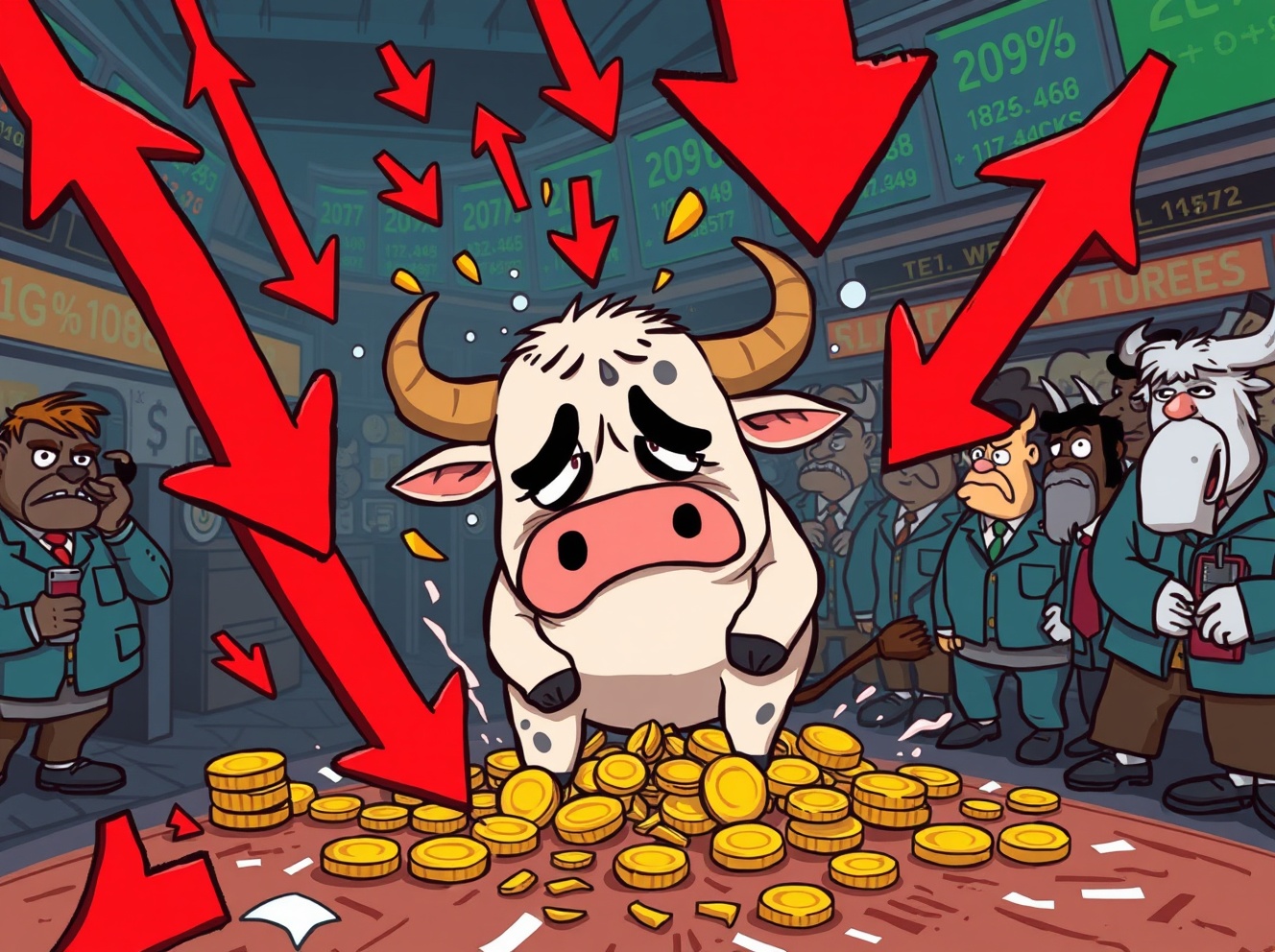
Crypto Futures Liquidations: The Brutal $389M Squeeze That Crushed Long Traders
The cryptocurrency market just endured a violent shakeout. Over a brutal 24-hour period, a staggering wave of crypto futures liquidations wiped out more than $389 million from leveraged positions. This wasn’t a balanced purge; the data reveals a clear and punishing narrative: long traders, those betting on prices rising, were hit the hardest. Let’s break down what happened and, more importantly, what it means for you.
What Are Crypto Futures Liquidations and Why Do They Matter?
Before we dive into the numbers, let’s clarify the mechanism. Crypto futures liquidations occur when an exchange automatically closes a trader’s leveraged position because they can no longer meet the margin requirements. Think of it as a forced sale triggered by insufficient funds to cover potential losses. This process is a core feature of derivatives trading, but when it happens at scale, it can accelerate market moves, creating a cascade of selling pressure that impacts everyone.
The $389M Bloodbath: A Breakdown by Asset
The scale of this event was significant. The forced closures were overwhelmingly concentrated on bullish bets. Here is the stark breakdown:
- Bitcoin (BTC): $258 million liquidated, with a crushing 78.27% of that coming from long positions.
- Ethereum (ETH): $112 million liquidated, where 77.68% were longs caught in the downdraft.
- Solana (SOL): $19.45 million liquidated, and a whopping 83.61% were long positions.
This pattern tells a clear story: a sudden price drop triggered margin calls on highly leveraged long contracts, and the ensuing crypto futures liquidations likely fueled further declines.
Why Were Long Positions So Vulnerable?
Several factors can converge to create this kind of long-squeeze environment. Often, it starts with a market that has seen extended bullish sentiment, encouraging traders to use high leverage to amplify gains. When a negative catalyst emerges—be it macroeconomic news, regulatory fears, or large sell orders—the rapid price drop quickly breaches the liquidation prices for these crowded long trades. The exchange’s automated systems then sell the assets to cover the debts, which pushes prices down even further, triggering more crypto futures liquidations in a vicious cycle.
How Can Traders Navigate This Volatility?
Witnessing such events is a powerful reminder of the risks in leveraged trading. However, you can take actionable steps to protect your capital:
- Manage Your Leverage: Using lower leverage reduces your liquidation risk significantly. It’s a buffer against volatility.
- Set Strategic Stop-Losses: Place stop-loss orders at logical technical levels, not just arbitrary percentages, to exit positions before a forced liquidation.
- Monitor Funding Rates: Extremely high positive funding rates can signal overcrowded long positions, which is a precursor to a potential squeeze.
- Diversify Strategies: Don’t rely solely on directional long bets. Consider a mix of spot holdings, staking, or other non-leveraged approaches.
The Ripple Effect on the Broader Market
These massive crypto futures liquidations don’t happen in a vacuum. The forced selling from derivatives markets adds significant sell-side pressure to the spot market, often leading to increased volatility and fear. This can shake out weak hands, reset leverage levels, and sometimes create potential buying opportunities once the liquidation cascade subsides and the market finds a new equilibrium.
Conclusion: Respect the Power of Leverage
The recent $389M liquidation event is a stark lesson in market mechanics. While crypto futures liquidations are a normal part of derivatives trading, their scale highlights the dangers of excessive leverage during uncertain times. For savvy participants, understanding these dynamics is crucial. It’s not about avoiding futures entirely, but about trading them with respect, robust risk management, and a clear-eyed view of the potential for sudden, automated sell-offs. The market always humbles the overconfident, but it rewards the prepared.
Frequently Asked Questions (FAQs)
What triggers a crypto futures liquidation?
A liquidation is triggered when the value of your position falls to the point where your remaining margin (collateral) is insufficient to cover potential losses. The exchange closes the position automatically to prevent a negative balance.
Can I get my money back after a liquidation?
No. Once a position is liquidated, the funds used as margin for that trade are lost to cover the loss. You only recover any remaining collateral that was not used.
Are liquidations always bad for the market?
Not always. While they cause short-term pain and volatility, large liquidation events can “reset” excessive leverage in the system. This can reduce speculative froth and sometimes create a healthier foundation for the next market move.
How can I check current liquidation levels?
Websites like Coinglass provide real-time data on liquidations across exchanges, showing heatmaps of price levels where large numbers of positions are set to be liquidated.
What’s the difference between a long and short liquidation?
A long liquidation happens when someone betting on a price increase gets stopped out. A short liquidation occurs when someone betting on a price decrease is forced to buy back the asset as the price rises, which can fuel a “short squeeze.”
Is spot trading safer than futures regarding liquidations?
Yes. In spot trading, you own the asset outright. Your holdings can decrease in value, but you cannot be forcibly liquidated unless you are using borrowed funds (margin) on a spot margin platform.
Found this breakdown of the recent crypto futures liquidations helpful? Share this article with your network on Twitter or Telegram to help other traders understand the risks and mechanics of market squeezes. Knowledge is the best risk management tool in crypto.
To learn more about the latest crypto market trends, explore our article on key developments shaping Bitcoin and Ethereum price action.
This post Crypto Futures Liquidations: The Brutal $389M Squeeze That Crushed Long Traders first appeared on BitcoinWorld.
You May Also Like

Remembering Fukushima... and the other road to nuclear nightmare

Tether Moves Toward Transparency With Full Audit Of Assets And Liabilities