The post Vitalik Buterin’s 256 ETH Donation to Session and SimpleX May Boost Privacy Tech and SESH Token Interest appeared on BitcoinEthereumNews.com. Vitalik Buterin donated 256 ETH, worth around $760,000 to $800,000, to privacy-focused messaging projects Session and SimpleX during the 2025 Shanghai Blockchain International Week. This grant highlights the importance of end-to-end encrypted communication and metadata privacy in decentralized networks, driving a 450% surge in Session’s SESH token value. Vitalik Buterin’s 256 ETH donation splits equally between Session and SimpleX, enhancing privacy protocols in blockchain ecosystems. The move emphasizes end-to-end encryption for secure, decentralized messaging amid rising regulatory concerns. Session’s native token SESH rose 450% following the announcement, reflecting strong market interest in privacy innovations. Vitalik Buterin ETH donation to privacy projects boosts Session and SimpleX, surging SESH by 450%. Explore how this supports metadata privacy in blockchain—read now for insights on decentralized communication trends. What is Vitalik Buterin’s ETH Donation to Privacy Projects? Vitalik Buterin’s ETH donation to privacy projects involves a generous contribution of 256 ETH, valued at approximately $760,000 to $800,000, split equally between the privacy-centric messaging platforms Session and SimpleX. Announced during the 2025 Shanghai Blockchain International Week, this grant aims to bolster end-to-end encrypted communication and metadata privacy in decentralized environments. Buterin’s support underscores his ongoing commitment to advancing privacy technologies within the Ethereum ecosystem and beyond. How Does This Donation Impact Session and SimpleX? The 128 ETH allocated to each project provides essential funding for developing robust privacy features, such as decentralized node incentives and resistance to centralized oversight. Session, a decentralized messaging app, benefits from enhanced metadata protection, which prevents tracking of communication patterns even if content is encrypted. According to Alexander Linton, a key developer at Session, this support strengthens the platform’s ability to incentivize node operators while defending against surveillance threats. SimpleX, another open-source messenger, uses the funds to prioritize permissionless account creation, ensuring users can communicate without revealing identities or metadata.… The post Vitalik Buterin’s 256 ETH Donation to Session and SimpleX May Boost Privacy Tech and SESH Token Interest appeared on BitcoinEthereumNews.com. Vitalik Buterin donated 256 ETH, worth around $760,000 to $800,000, to privacy-focused messaging projects Session and SimpleX during the 2025 Shanghai Blockchain International Week. This grant highlights the importance of end-to-end encrypted communication and metadata privacy in decentralized networks, driving a 450% surge in Session’s SESH token value. Vitalik Buterin’s 256 ETH donation splits equally between Session and SimpleX, enhancing privacy protocols in blockchain ecosystems. The move emphasizes end-to-end encryption for secure, decentralized messaging amid rising regulatory concerns. Session’s native token SESH rose 450% following the announcement, reflecting strong market interest in privacy innovations. Vitalik Buterin ETH donation to privacy projects boosts Session and SimpleX, surging SESH by 450%. Explore how this supports metadata privacy in blockchain—read now for insights on decentralized communication trends. What is Vitalik Buterin’s ETH Donation to Privacy Projects? Vitalik Buterin’s ETH donation to privacy projects involves a generous contribution of 256 ETH, valued at approximately $760,000 to $800,000, split equally between the privacy-centric messaging platforms Session and SimpleX. Announced during the 2025 Shanghai Blockchain International Week, this grant aims to bolster end-to-end encrypted communication and metadata privacy in decentralized environments. Buterin’s support underscores his ongoing commitment to advancing privacy technologies within the Ethereum ecosystem and beyond. How Does This Donation Impact Session and SimpleX? The 128 ETH allocated to each project provides essential funding for developing robust privacy features, such as decentralized node incentives and resistance to centralized oversight. Session, a decentralized messaging app, benefits from enhanced metadata protection, which prevents tracking of communication patterns even if content is encrypted. According to Alexander Linton, a key developer at Session, this support strengthens the platform’s ability to incentivize node operators while defending against surveillance threats. SimpleX, another open-source messenger, uses the funds to prioritize permissionless account creation, ensuring users can communicate without revealing identities or metadata.…

Vitalik Buterin’s 256 ETH Donation to Session and SimpleX May Boost Privacy Tech and SESH Token Interest

For feedback or concerns regarding this content, please contact us at [email protected]
  • Vitalik Buterin’s 256 ETH donation splits equally between Session and SimpleX, enhancing privacy protocols in blockchain ecosystems.

  • The move emphasizes end-to-end encryption for secure, decentralized messaging amid rising regulatory concerns.

  • Session’s native token SESH rose 450% following the announcement, reflecting strong market interest in privacy innovations.

Vitalik Buterin ETH donation to privacy projects boosts Session and SimpleX, surging SESH by 450%. Explore how this supports metadata privacy in blockchain—read now for insights on decentralized communication trends.

What is Vitalik Buterin’s ETH Donation to Privacy Projects?

Vitalik Buterin’s ETH donation to privacy projects involves a generous contribution of 256 ETH, valued at approximately $760,000 to $800,000, split equally between the privacy-centric messaging platforms Session and SimpleX. Announced during the 2025 Shanghai Blockchain International Week, this grant aims to bolster end-to-end encrypted communication and metadata privacy in decentralized environments. Buterin’s support underscores his ongoing commitment to advancing privacy technologies within the Ethereum ecosystem and beyond.

How Does This Donation Impact Session and SimpleX?

The 128 ETH allocated to each project provides essential funding for developing robust privacy features, such as decentralized node incentives and resistance to centralized oversight. Session, a decentralized messaging app, benefits from enhanced metadata protection, which prevents tracking of communication patterns even if content is encrypted. According to Alexander Linton, a key developer at Session, this support strengthens the platform’s ability to incentivize node operators while defending against surveillance threats. SimpleX, another open-source messenger, uses the funds to prioritize permissionless account creation, ensuring users can communicate without revealing identities or metadata.

Market reactions have been swift, with Session’s native token, SESH, experiencing a remarkable 450% increase in value shortly after the donation news broke. This surge indicates growing investor confidence in privacy-focused blockchain applications, especially as regulatory scrutiny on data privacy intensifies globally. Data from on-chain analytics shows no direct ties to institutional trading, suggesting the boost stems from organic community and developer enthusiasm. Historical Ethereum grants typically target core infrastructure, making this privacy-specific allocation a notable shift, as reported by blockchain observers during the Shanghai event.

Vitalik Buterin himself highlighted the significance, stating, “End-to-end encrypted messaging is essential for protecting digital privacy… permissionless account creation and metadata privacy are the next major priorities.” This endorsement from the Ethereum co-founder adds substantial credibility, drawing attention to the projects’ potential to influence broader Web3 privacy standards. Developers note that while the funds are ecosystem-directed, they could accelerate integrations with Ethereum-based wallets and smart contracts for seamless privacy layers.

Frequently Asked Questions

What prompted Vitalik Buterin’s ETH donation to Session and SimpleX?

Vitalik Buterin’s donation of 256 ETH to Session and SimpleX was motivated by the need to advance metadata privacy in messaging apps during the 2025 Shanghai Blockchain International Week. As a leading voice in blockchain, he aimed to support decentralized technologies that ensure secure, untraceable communications without compromising usability, addressing key vulnerabilities in current digital privacy frameworks.

Why did Session’s SESH token surge after the donation announcement?

Session’s SESH token surged 450% due to the heightened visibility and endorsement from Vitalik Buterin, signaling strong potential for the project’s growth in the privacy sector. This natural market response reflects investor optimism about decentralized messaging’s role in countering data surveillance, making SESH an attractive asset for those focused on blockchain privacy innovations.

Key Takeaways

  • Vitalik Buterin’s 256 ETH split donation: Provides 128 ETH each to Session and SimpleX, funding critical privacy enhancements in messaging protocols.
  • Market impact on SESH: The announcement triggered a 450% token value increase, highlighting investor interest in metadata-resistant technologies.
  • Broader implications for privacy: Reinforces the push for end-to-end encryption and permissionless accounts, urging developers to prioritize these in future blockchain applications.

Conclusion

Vitalik Buterin’s ETH donation to privacy projects like Session and SimpleX marks a pivotal moment for decentralized communication, emphasizing metadata privacy and end-to-end encryption amid evolving regulatory landscapes. This strategic grant not only fuels innovation in blockchain privacy but also inspires the wider community to invest in secure digital ecosystems. As privacy concerns continue to shape the crypto space, initiatives like these pave the way for more resilient, user-centric technologies—stay tuned for further developments in Ethereum’s privacy evolution.

Source: https://en.coinotag.com/vitalik-buterins-256-eth-donation-to-session-and-simplex-may-boost-privacy-tech-and-sesh-token-interest


Market Opportunity
Ethereum Logo
Ethereum Price(ETH)
$2,163.49
$2,163.49$2,163.49
+0.04%
USD
Ethereum (ETH) Live Price Chart
Disclaimer: The articles reposted on this site are sourced from public platforms and are provided for informational purposes only. They do not necessarily reflect the views of MEXC. All rights remain with the original authors. If you believe any content infringes on third-party rights, please contact [email protected] for removal. MEXC makes no guarantees regarding the accuracy, completeness, or timeliness of the content and is not responsible for any actions taken based on the information provided. The content does not constitute financial, legal, or other professional advice, nor should it be considered a recommendation or endorsement by MEXC.

You May Also Like

Shocking OpenVPP Partnership Claim Draws Urgent Scrutiny

Shocking OpenVPP Partnership Claim Draws Urgent Scrutiny

The post Shocking OpenVPP Partnership Claim Draws Urgent Scrutiny appeared on BitcoinEthereumNews.com. The cryptocurrency world is buzzing with a recent controversy surrounding a bold OpenVPP partnership claim. This week, OpenVPP (OVPP) announced what it presented as a significant collaboration with the U.S. government in the innovative field of energy tokenization. However, this claim quickly drew the sharp eye of on-chain analyst ZachXBT, who highlighted a swift and official rebuttal that has sent ripples through the digital asset community. What Sparked the OpenVPP Partnership Claim Controversy? The core of the issue revolves around OpenVPP’s assertion of a U.S. government partnership. This kind of collaboration would typically be a monumental endorsement for any private cryptocurrency project, especially given the current regulatory climate. Such a partnership could signify a new era of mainstream adoption and legitimacy for energy tokenization initiatives. OpenVPP initially claimed cooperation with the U.S. government. This alleged partnership was said to be in the domain of energy tokenization. The announcement generated considerable interest and discussion online. ZachXBT, known for his diligent on-chain investigations, was quick to flag the development. He brought attention to the fact that U.S. Securities and Exchange Commission (SEC) Commissioner Hester Peirce had directly addressed the OpenVPP partnership claim. Her response, delivered within hours, was unequivocal and starkly contradicted OpenVPP’s narrative. How Did Regulatory Authorities Respond to the OpenVPP Partnership Claim? Commissioner Hester Peirce’s statement was a crucial turning point in this unfolding story. She clearly stated that the SEC, as an agency, does not engage in partnerships with private cryptocurrency projects. This response effectively dismantled the credibility of OpenVPP’s initial announcement regarding their supposed government collaboration. Peirce’s swift clarification underscores a fundamental principle of regulatory bodies: maintaining impartiality and avoiding endorsements of private entities. Her statement serves as a vital reminder to the crypto community about the official stance of government agencies concerning private ventures. Moreover, ZachXBT’s analysis…
Share
BitcoinEthereumNews2025/09/18 02:13
TRM Labs Launches Revolutionary AI Agent for Natural Language On-Chain Analysis

TRM Labs Launches Revolutionary AI Agent for Natural Language On-Chain Analysis

BitcoinWorld TRM Labs Launches Revolutionary AI Agent for Natural Language On-Chain Analysis San Francisco, March 2025 – Cryptocurrency analytics leader TRM Labs
Share
bitcoinworld2026/03/26 03:00
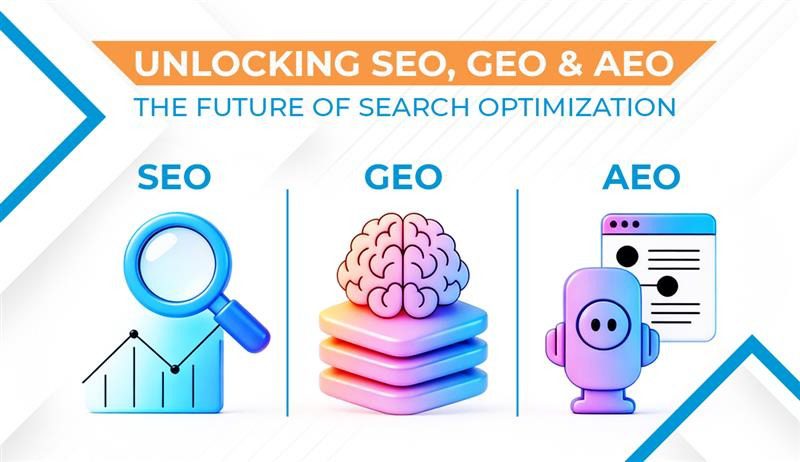
Unlocking SEO, GEO & AEO: The Future of Search Optimization

Unlocking SEO, GEO & AEO: The Future of Search Optimization

No user will click links while browsing the internet. Instead, they want to see immediate payback. AI-enabled search engines, such as Google AI overview, ChatGPT
Share
Techbullion2026/03/26 02:49