

Crypto Liquidations: The Staggering $187M Wipeout That Crushed Long Positions
BitcoinWorld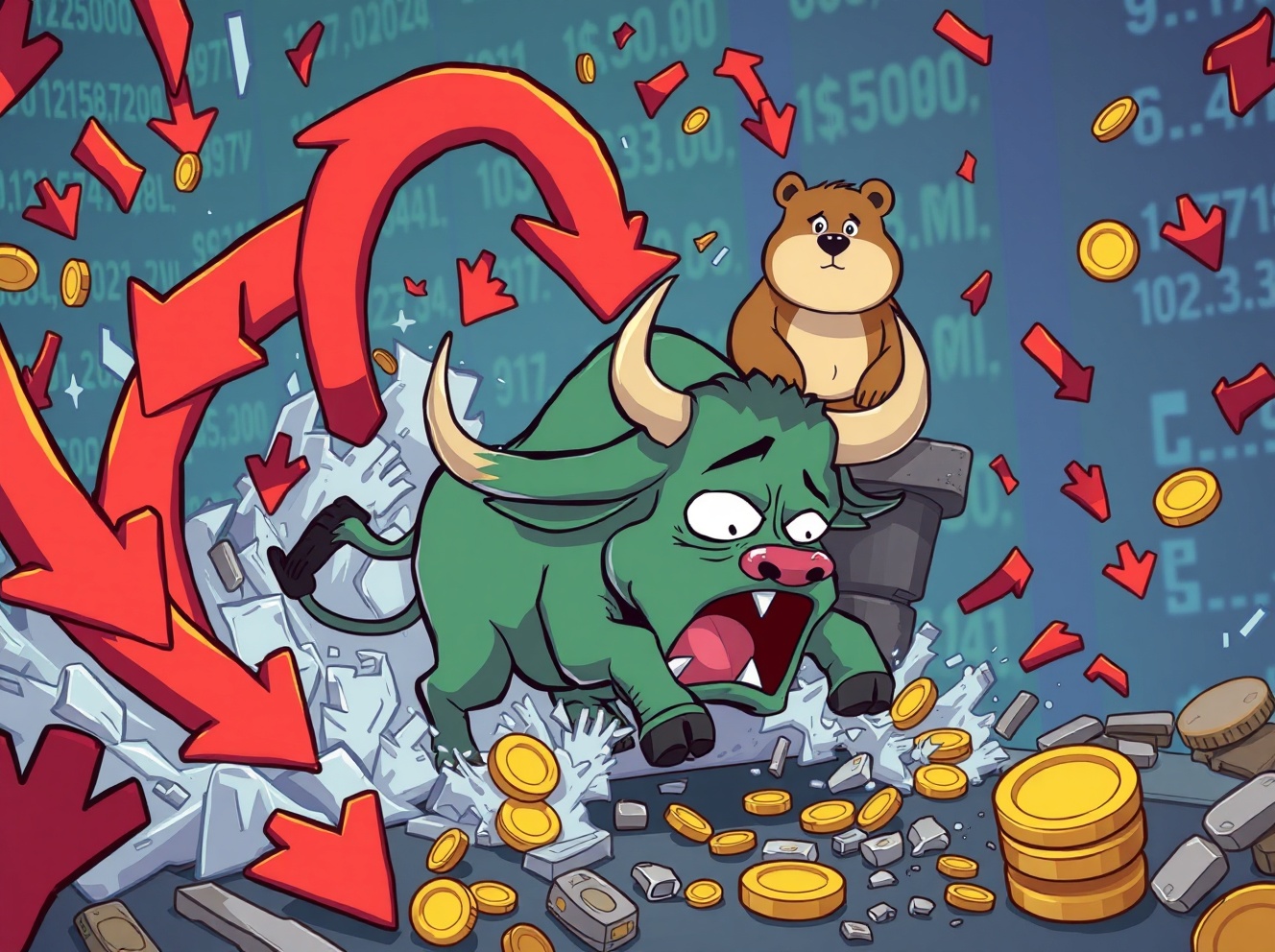
Crypto Liquidations: The Staggering $187M Wipeout That Crushed Long Positions
The cryptocurrency market just witnessed a brutal 24-hour period where over $187 million in positions were forcibly closed. This wave of crypto liquidations disproportionately hammered traders betting on higher prices, offering a stark reminder of the market’s inherent volatility. Let’s break down what happened and what it means for you.
What Caused This Massive Wave of Crypto Liquidations?
When traders use leverage in perpetual futures markets, they must maintain a minimum margin. If the market moves against their position and their collateral value falls below this level, exchanges automatically close, or ‘liquidate,’ their trade to prevent further loss. The recent crypto liquidations event, totaling $187 million, was triggered by a sharp price decline that breached critical support levels for many leveraged traders.
A Breakdown of the $187M Liquidation Carnage
The data reveals a clear and painful trend: the majority of losses came from long positions. Here is the detailed breakdown:
- Bitcoin (BTC): $90.06 million liquidated. A significant 67.33% of this came from long positions.
- Ethereum (ETH): $87.9 million liquidated, with 63.5% being longs.
- Solana (SOL): $9.37 million liquidated. An overwhelming 87.52% were long positions caught in the downdraft.
This pattern shows that bullish sentiment was overly crowded, leaving many traders exposed when the market turned.
Why Were Long Positions Hit So Hard?
The dominance of long position crypto liquidations points to a classic market scenario. Before the drop, optimism likely prevailed, encouraging traders to take leveraged long bets. However, when prices fell rapidly, these highly leveraged longs became the most vulnerable. Their forced selling then added more downward pressure, creating a cascade effect that amplified the initial move. This is a key mechanism behind market volatility spikes.
How Can Traders Navigate Future Liquidation Risks?
While crypto liquidations are a market reality, you can manage your risk. First, always use stop-loss orders to define your exit point before you enter a trade. Second, employ sensible leverage; higher leverage magnifies both gains and losses. Third, never invest more than you can afford to lose, especially with margin trading. Finally, stay informed about market sentiment and technical levels to avoid getting caught in crowded trades.
The Bigger Picture: What Do These Liquidations Signal?
Large-scale crypto liquidations often act as a reset button, flushing out excessive leverage from the system. While painful for those affected, this can lead to a healthier market foundation with less speculative froth. It serves as a powerful lesson on the importance of risk management over blind speculation. The market’s recovery will depend on broader factors, but the removal of weak leveraged positions can sometimes pave the way for more sustainable moves.
In summary, the recent $187 million liquidation event was a forceful demonstration of crypto market risk. Long positions bore the brunt of the damage across major assets like Bitcoin, Ethereum, and Solana. This episode underscores a non-negotiable rule for survival: robust risk management is not optional. By understanding the forces behind these crypto liquidations, you can trade with more awareness and better protect your capital from future storms.
Frequently Asked Questions (FAQs)
What are crypto liquidations?
Crypto liquidations occur when an exchange forcibly closes a trader’s leveraged position because they can no longer meet the margin requirements, usually due to the market moving against them.
Why were mostly long positions liquidated?
This indicates that before the price drop, there was a high concentration of traders using leverage to bet on prices going up (longs). The sudden downturn hit these crowded positions hardest.
Do large liquidations mean the market will crash further?
Not necessarily. While liquidations can cause short-term selling pressure, they also remove weak leverage from the market, which can sometimes stabilize prices and allow for a rebound.
How can I avoid getting liquidated?
Use lower leverage, set strategic stop-loss orders, maintain adequate margin collateral above minimum requirements, and avoid overexposing your portfolio to a single trade.
Is trading perpetual futures riskier than spot trading?
Yes, significantly. Perpetual futures involve leverage, which amplifies potential gains and losses, making you susceptible to liquidation. Spot trading, where you own the asset outright, does not carry this specific risk.
Where can I track liquidation data?
Several analytics websites like Coinglass provide real-time data on crypto liquidations across exchanges, helping you gauge market leverage and sentiment.
Found this breakdown of the recent crypto liquidations helpful? Share this article with fellow traders on Twitter or Telegram to help them understand market risks and improve their strategy. Knowledge is the best defense in a volatile market.
To learn more about the latest crypto market trends, explore our article on key developments shaping Bitcoin and Ethereum price action.
This post Crypto Liquidations: The Staggering $187M Wipeout That Crushed Long Positions first appeared on BitcoinWorld.
You May Also Like

TBC Bank Chooses GDS Link to Power Credit Decisioning for Retail Lending

SOL Price Prediction: Solana Eyes $95 Breakout Despite Current Consolidation


