

Binance Targets Children's Savings Market With Crypto Accounts for Ages 6-17
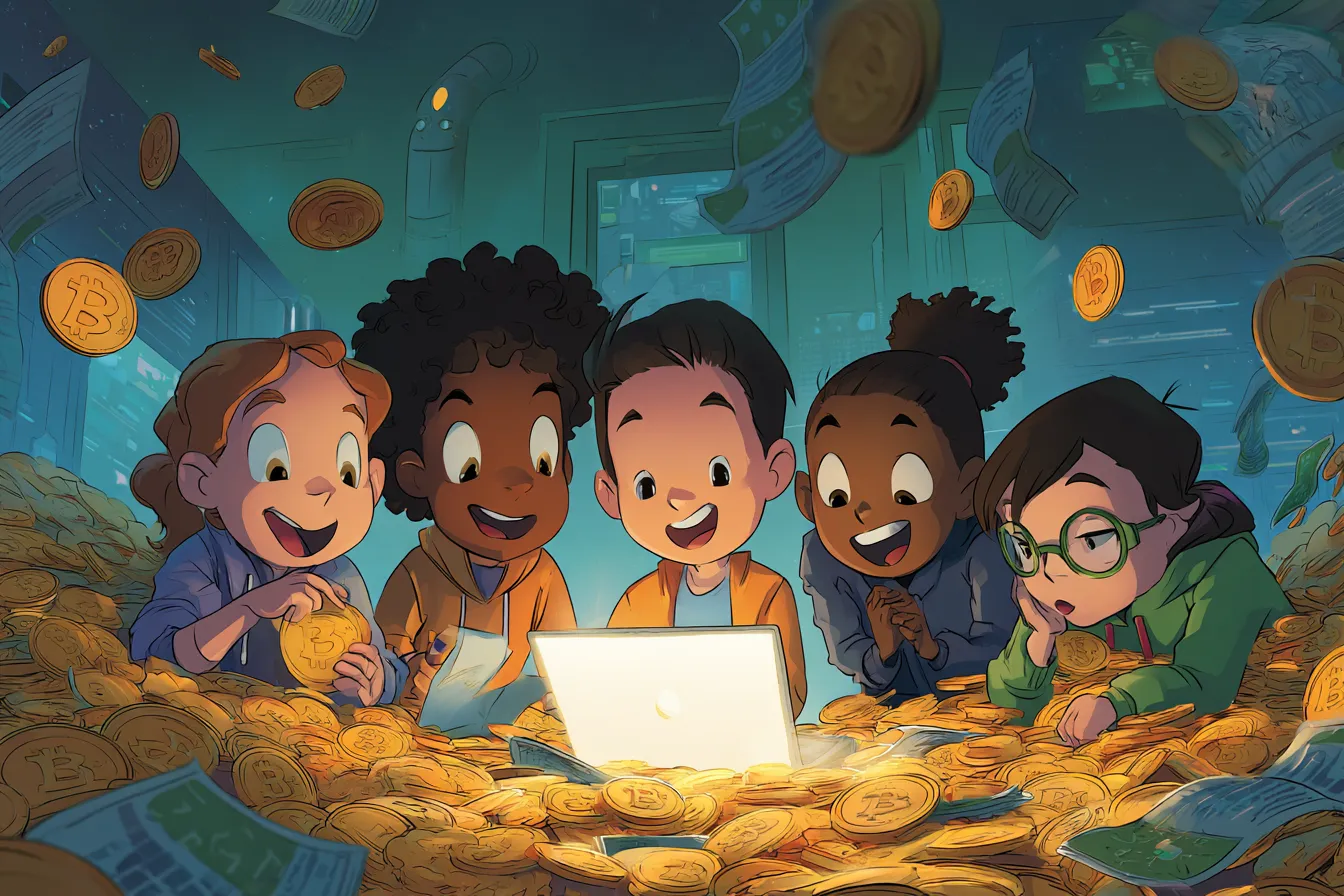
Binance is making a direct play for children's savings with the launch of Binance Junior, a parent-controlled crypto account for users as young as six years old, as the world's largest cryptocurrency exchange seeks to establish digital assets as a foundational element of youth financial education.
The product marks a strategic shift in how cryptocurrency platforms position themselves – not as speculative trading venues, but as legitimate alternatives to traditional children's savings accounts offered by banks. While conventional financial institutions have long dominated the youth savings market with FDIC-insured accounts earning minimal interest, Binance is betting that parents will choose yield-generating crypto holdings despite the volatility and regulatory uncertainty inherent in digital assets.
The core premise centers on a controversial question: what constitutes financial literacy for children growing up in an increasingly digital economy? Binance argues that familiarity with cryptocurrency and blockchain technology represents essential knowledge, comparable to understanding compound interest or budgeting.
Co-CEO Yi He positioned the offering as preparation for a future where "money is evolving," suggesting that excluding digital assets from children's financial education leaves them unprepared for adult economic life.
"Binance Junior is a family finance initiative that helps parents build crypto wealth and savings for their children and encourages them to teach and practice healthy financial habits for the next generation into adulthood," He said in a statement.
Traditional banks have maintained relationships with young savers through low-balance savings accounts, debit cards for teens, and educational programs focused on budgeting and saving. These products typically emphasize stability and gradual wealth accumulation. Binance Junior instead offers exposure to assets that can double or halve in value within months, arguing that controlled early exposure builds familiarity with digital finance infrastructure that will become increasingly prevalent.
The account structure prevents trading and restricts transfers, addressing potential concerns about children gambling on volatile assets. Users aged 13 and above can initiate transfers with daily limits, while parents receive notifications for all transactions and can disable accounts instantly. Funds earn yields through Binance's Flexible Simple Earn program, which offers higher returns than traditional savings accounts but carries smart contract risks and platform dependencies absent from bank deposits.
ABC's of Crypto
The launch includes "ABC's of Crypto," a self-published children's book explaining cryptocurrency concepts. This educational push positions crypto literacy alongside traditional financial skills, though critics may question whether exchange-produced materials can provide unbiased education about assets the platform profits from users holding and trading.
The product creates an interesting competitive dynamic: banks offer stability, insurance, and regulatory protection but minimal returns; Binance offers higher yields and exposure to emerging financial technology but with volatility, platform risk, and evolving regulatory frameworks. Parents must essentially choose between teaching children to save in established systems versus introducing them to assets that may (or may not) play central roles in future finance.
The product's availability in select countries suggests regulatory challenges, as financial products for minors face varying restrictions globally.
For Binance, capturing young savers represents a long-term customer acquisition strategy. Children who grow up managing crypto savings through the platform may become lifelong users, potentially more valuable than customers acquired through traditional marketing. The move also normalizes cryptocurrency in family financial planning, positioning digital assets not as speculative investments but as routine savings vehicles alongside, or instead of, traditional bank accounts.
You May Also Like

China Launches Cross-Border QR Code Payment Trial

Bank of England keeps interest rate steady at 4% as expected


