

Ethereum Validator Participation Plummets: The Shocking Impact of the Fusaka Upgrade Bug
BitcoinWorld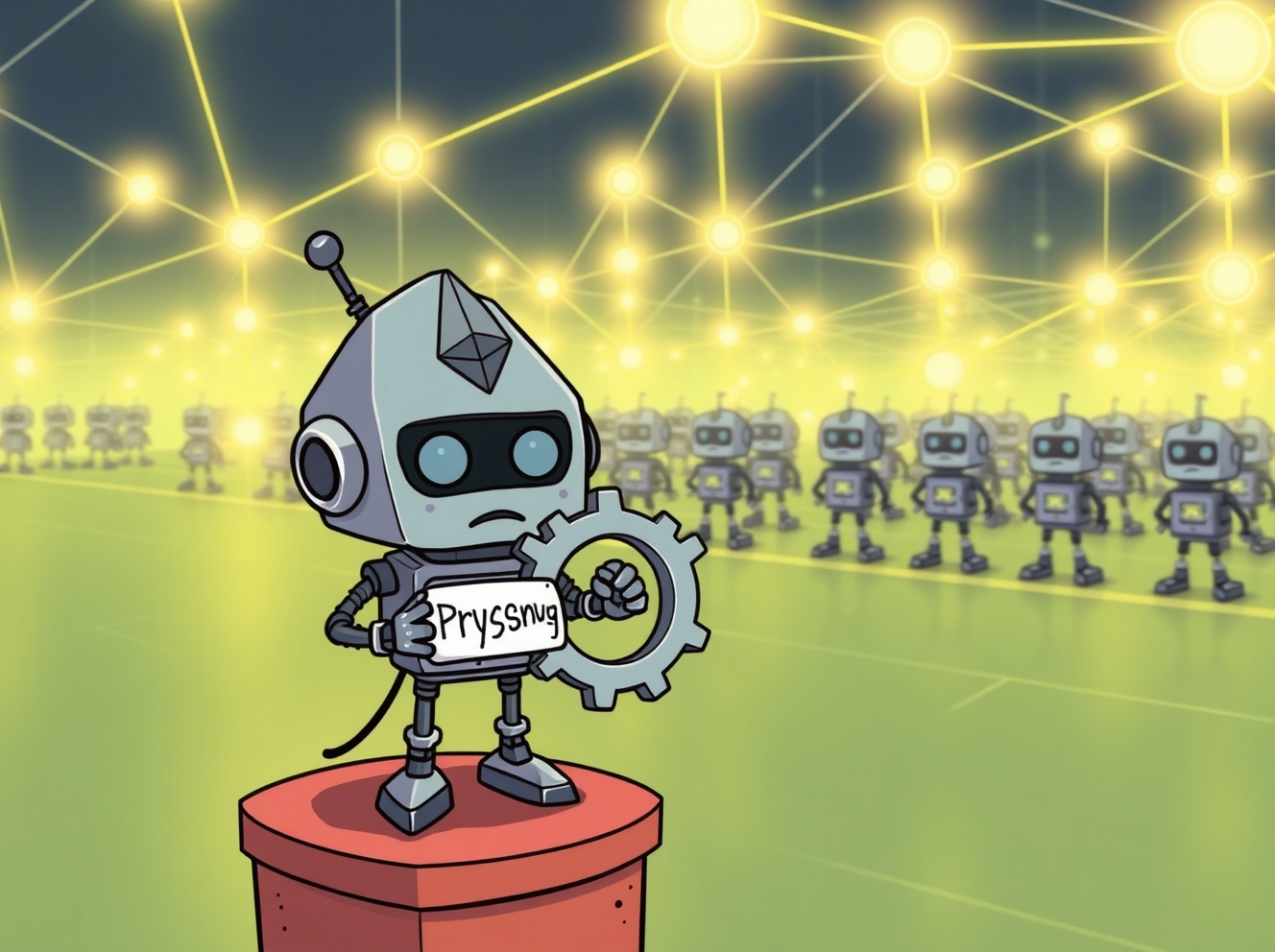
Ethereum Validator Participation Plummets: The Shocking Impact of the Fusaka Upgrade Bug
Did you feel a tremor in the crypto world? The Ethereum network, a titan of decentralized finance, recently experienced a surprising and sudden dip in its core operations. Ethereum validator participation temporarily fell, not due to a market crash, but because of a technical bug following a major network upgrade. This event highlights both the resilience and the intricate challenges of maintaining the world’s leading smart contract platform.
What Caused the Ethereum Validator Participation Drop?
Immediately after the successful Fusaka upgrade, a critical bug surfaced in the Prysm consensus layer client. This software, used by a significant portion of network validators, encountered an error while processing old validator attestations. Think of it as a key cog in a massive machine briefly jamming. The result was an immediate and measurable impact on network health.
According to data from the Beaconchain explorer, the effects were stark. At epoch 411448:
- Network synchronization participation fell to 75%.
- Voting participation dropped even further to 74%.
This incident underscores a vital truth: Ethereum validator participation is the heartbeat of the network’s security and finality. When it falters, even briefly, it draws immediate attention from developers and the community.
How Did the Network Recover So Quickly?
The story here is not one of failure, but of robust recovery. Ethereum’s distributed and multi-client design proved its worth. While the Prysm client faced issues, other clients like Lighthouse, Teku, and Nimbus continued operating normally. This diversity prevented a full network halt.
Swift action from the Prysm development team and the broader validator community led to a rapid resolution. By epoch 411712, the network had largely bounced back:
- Voting participation recovered to 99%.
- Synchronization participation rose to 97%.
Furthermore, the event triggered a natural rebalancing. The share of validators using the Prysm client decreased from approximately 22.71% during the incident to about 18% afterward, as some operators likely diversified their client software to strengthen network resilience.
What Does This Mean for Ethereum’s Future?
This temporary dip in Ethereum validator participation serves as a powerful real-world stress test. It demonstrates the network’s ability to withstand and quickly recover from client-specific bugs. However, it also highlights the ongoing importance of client diversity.
Relying too heavily on a single client software remains a potential risk. The community’s response—promoting multiple clients and swiftly patching issues—shows a mature and proactive ecosystem. This incident is a reminder that even post-Merge, Ethereum’s evolution requires constant vigilance and collaboration from its global team of validators and developers.
Conclusion: A Hiccup, Not a Halt
The Fusaka upgrade bug was a brief, unexpected challenge in Ethereum’s continuous journey. The rapid decline and recovery of Ethereum validator participation proved the network’s fundamental strength and its community’s ability to respond under pressure. While perfect stability is an ideal, the real-world resilience shown here is arguably more valuable. It provides critical data, reinforces best practices around client diversity, and ultimately makes the network more robust for the future.
Frequently Asked Questions (FAQs)
What is Ethereum validator participation?
Ethereum validator participation refers to the percentage of active validators on the Beacon Chain that are successfully performing their duties, such as proposing and attesting to blocks. High participation is crucial for network security and efficiency.
What was the Fusaka upgrade?
The Fusaka upgrade was a planned network update (hard fork) for Ethereum, aimed at implementing various improvements and optimizations to the consensus layer following the Merge.
Is the Prysm client unsafe to use now?
No. The bug was identified and addressed. Prysm remains a popular and reliable consensus client. However, the incident highlights why experts recommend client diversity—not relying on a single client type—to strengthen the overall network.
Did this bug affect Ethereum transactions or DeFi protocols?
The impact was primarily on consensus layer operations. While block finality was slightly delayed, user transactions and smart contracts on the execution layer (like those on Uniswap or Aave) were largely unaffected.
How can I check current Ethereum validator participation rates?
You can monitor real-time network health metrics, including participation rates, on public blockchain explorers like beaconcha.in.
What should Ethereum validators learn from this event?
Validators should ensure their client software is always up-to-date and consider the benefits of running a minority client to contribute to network diversity and resilience.
Found this deep dive into Ethereum’s network resilience helpful? Share this article with fellow crypto enthusiasts on Twitter or LinkedIn to spread the knowledge!
To learn more about the latest Ethereum trends, explore our article on key developments shaping Ethereum staking and network security.
This post Ethereum Validator Participation Plummets: The Shocking Impact of the Fusaka Upgrade Bug first appeared on BitcoinWorld.
You May Also Like
Game Theory and Exchange Economies: A New Model for Pure Exchange and Transferable Payoff

Crypto Supercycle in 2025? DeepSeek Ranks the Best Altcoins to Buy Right Now


