Polish Crypto Regulations Stalled: Parliament Fails to Override Veto on MiCA Framework
BitcoinWorld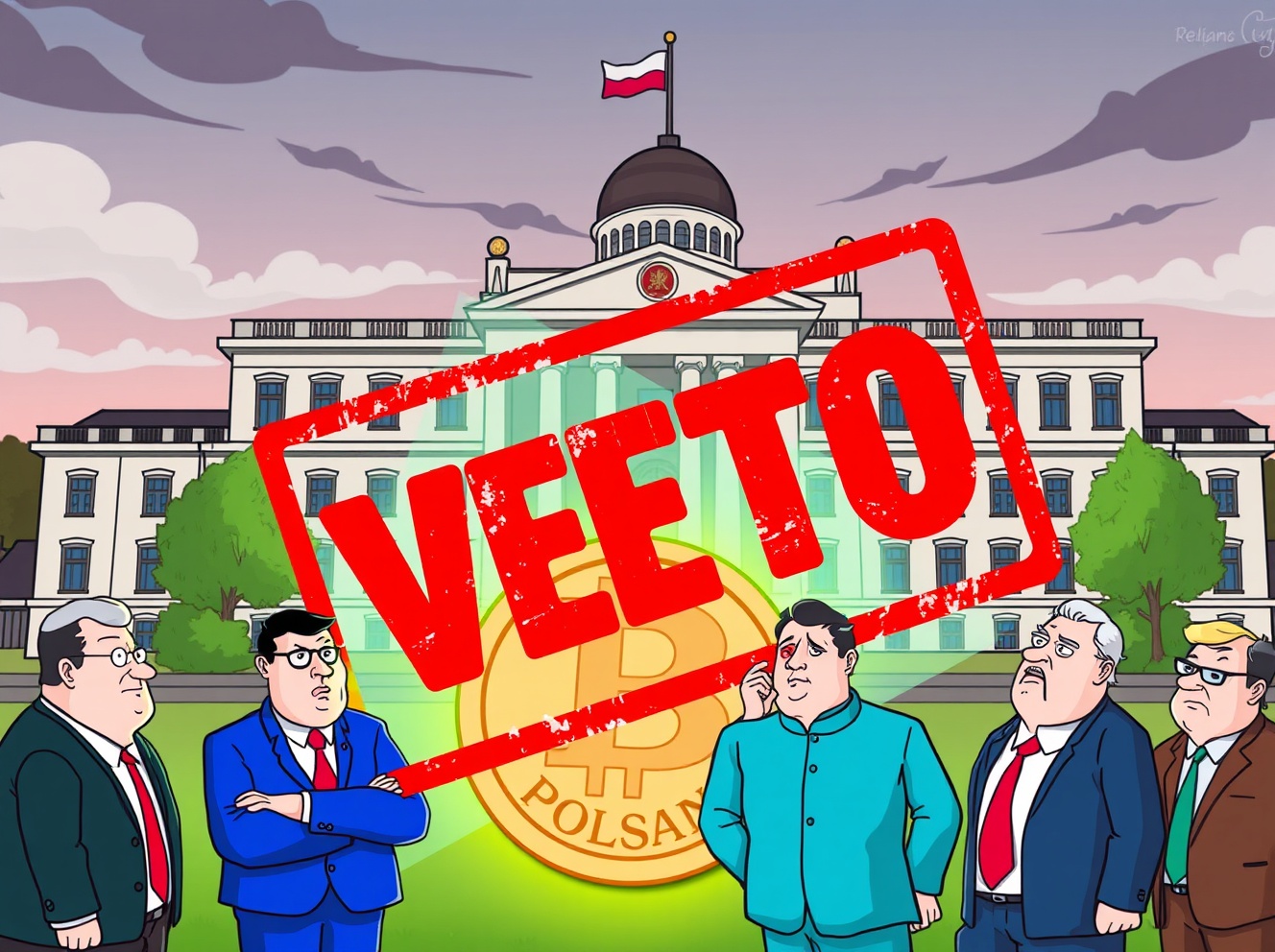
Polish Crypto Regulations Stalled: Parliament Fails to Override Veto on MiCA Framework
In a surprising twist for the digital asset space, Poland’s journey toward clear cryptocurrency rules has hit a major roadblock. The Polish Sejm, the nation’s lower house of parliament, has failed to gather enough votes to override a presidential veto on the crucial Crypto-Asset Market Act. This decision directly stalls efforts to align the country’s Polish crypto regulations with the European Union’s comprehensive Markets in Crypto-Assets (MiCA) framework, leaving the local market in a state of prolonged uncertainty.
What Does This Veto Mean for Polish Crypto Regulations?
The failed override vote represents a significant setback for Prime Minister Donald Tusk’s administration, which had championed the act as a necessary step for legal clarity and investor protection. Consequently, the Polish crypto market remains in a regulatory gray area, lacking the specific rules that MiCA promises to deliver across the EU. This creates a competitive disadvantage for Polish crypto businesses and exposes consumers to higher risks compared to neighboring jurisdictions that are moving forward with implementation.
Without these Polish crypto regulations, several key challenges persist:
- Legal Uncertainty: Businesses operate without clear guidelines on licensing, consumer protection, and operational standards.
- Investor Risk: Polish consumers have fewer guaranteed safeguards against fraud and market manipulation.
- Innovation Drain: Startups and established firms may look to relocate to more crypto-friendly EU countries with established rules.
Why Did the Polish Parliament Uphold the Veto?
Understanding the political dynamics is key. The presidential veto, upheld by the parliament, likely stems from concerns over specific provisions within the proposed act. Critics might argue the legislation was rushed, contained technical flaws, or imposed excessive burdens on domestic companies. However, the core consequence is a delay in harmonizing national law with the EU’s MiCA, which is set to become fully applicable across the bloc in the coming years.
This situation places Poland at a crossroads. The country must now decide whether to revisit and amend the legislation or risk falling behind in the rapidly evolving digital finance landscape. The delay affects everyone from large exchanges to individual traders seeking a secure environment for their digital assets.
The Road Ahead for Crypto in Poland
So, what happens next for Polish crypto regulations? The path forward is uncertain but critical. The government faces mounting pressure to find a compromise that satisfies legislative scrutiny while meeting EU deadlines. Industry advocates will likely intensify their calls for clarity, emphasizing that modern Polish crypto regulations are essential for economic growth and technological adoption.
Furthermore, Polish crypto businesses and investors are now left navigating an ambiguous landscape. They must prepare for eventual compliance while operating under outdated or non-specific financial laws. This interim period requires extra diligence from all market participants.
Final Thoughts on Poland’s Regulatory Standoff
The parliament’s decision to uphold the veto is more than a political procedural footnote; it is a pivotal moment for Poland’s digital economy. It highlights the complex balancing act between national legislative scrutiny and the imperative to adopt broader European standards. For the crypto community in Poland, the wait for legal certainty continues. The development serves as a stark reminder that the journey toward comprehensive cryptocurrency regulation is often non-linear, facing political and technical hurdles that can reshape market trajectories overnight.
Frequently Asked Questions (FAQs)
What is the MiCA framework?
The Markets in Crypto-Assets (MiCA) is a landmark regulatory framework established by the European Union to create a unified set of rules for cryptocurrency markets across all member states, focusing on consumer protection, market integrity, and financial stability.
Why did the Polish president veto the crypto act?
While specific reasons from the President’s office are detailed in the veto document, common grounds for such vetoes include concerns over technical flaws, excessive regulatory burden on businesses, or conflicts with other national laws.
Can Poland ignore the EU’s MiCA regulations?
No. As an EU member state, Poland is obligated to transpose MiCA into its national law. The current veto delays this process but does not eliminate the requirement. Poland will eventually need to implement compliant regulations.
How does this affect everyday crypto users in Poland?
For now, users continue operating under existing, less-specific financial laws. The delay means a longer wait for enhanced consumer protections, clear rules on asset reserves for exchanges, and formal dispute resolution mechanisms promised under MiCA.
What are the potential next steps for the Polish government?
The government can choose to amend the proposed act to address the veto’s concerns and resubmit it to parliament, or it may attempt to build a broader political consensus for a new version of the legislation.
Will this impact cryptocurrency prices?
This specific political event in Poland is unlikely to cause direct, significant fluctuations in global cryptocurrency prices. However, prolonged regulatory uncertainty in any major EU market can contribute to broader investor caution.
Join the Conversation
The evolution of cryptocurrency regulation is a critical topic for investors, developers, and policymakers alike. Did this analysis help you understand the implications of Poland’s regulatory delay? Share this article on your social media channels to inform your network about this key development in European crypto law and spark a discussion on the future of digital asset regulations.
To learn more about the latest trends in global cryptocurrency regulation, explore our article on key developments shaping the future of institutional adoption and market stability.
This post Polish Crypto Regulations Stalled: Parliament Fails to Override Veto on MiCA Framework first appeared on BitcoinWorld.


You May Also Like

Why Cardano (ADA) Could Still Turn Small Holders Into Millionaires This Cycle: Top Analyst

Kevin Warsh Says Fed Will Stay Independent and Leaves Room For Rate Cuts