

Wang Yongli warns that the US GENIUS Act may unintentionally undermine private stablecoin issuers
Wang Yongli, a former vice president of the Bank of China and the first Chinese mainland member of the SWIFT board, stated that American stablecoins legislation may inadvertently destroy the very industry it aims to regulate.
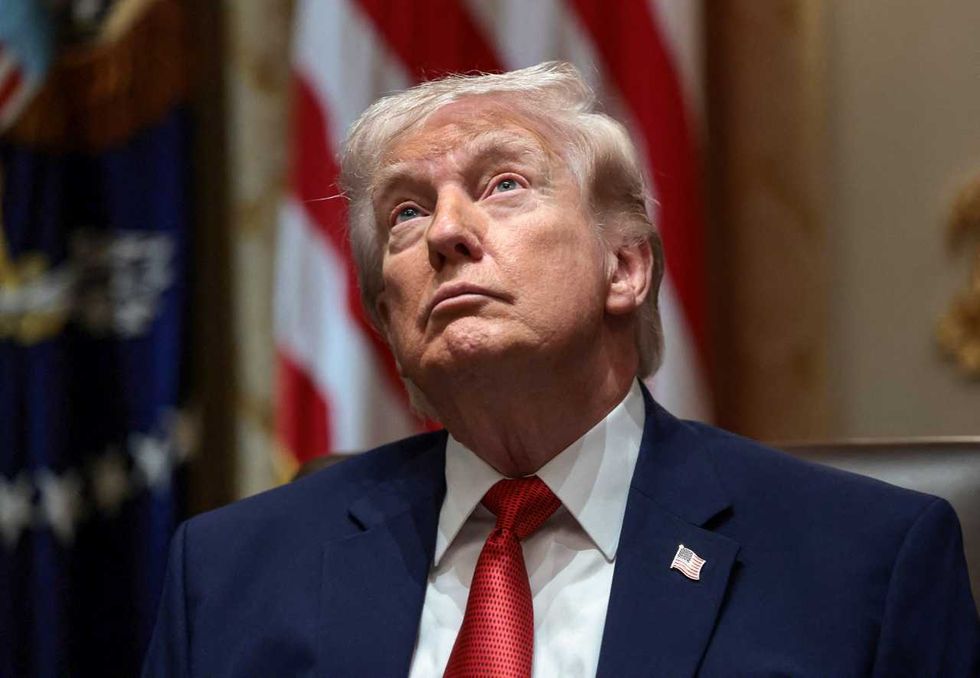
In a lengthy analysis published on WeChat, Wang argued that the GENIUS Act, signed into law by President Donald Trump on July 18, contains the seeds of its own undoing. The legislation, he contends, will enable traditional banks to displace private stablecoin issuers by offering tokenized deposit products.
Former BOC VP is critical of US stablecoin legislation
The GENIUS Act establishes America’s first federal framework for stablecoins, requiring issuers to maintain reserves equal to their tokens’ value in dollars or short-term Treasuries. The law mandates monthly audits and strict anti-money laundering compliance and prohibits stablecoin issuers from paying interest to holders, among other provisions.
According to Wang, the introduction of legislation in that space has “not only increased demand for the US dollar and US Treasury bonds, strengthening the dollar’s international status, but also brought huge profits to the Trump family and their cryptocurrency associates.”
However, he stated that this brings “new challenges to the global monitoring of the dollar’s circulation and the stability of the traditional US financial system.”
One of those challenges, according to Wang, is the threat of the legislation itself to other jurisdictions.
He wrote, “The trading and transfer of crypto assets backed by dollar-denominated stablecoins has become a new and more difficult-to-prevent tool for the US to harvest global wealth, posing a serious threat to the monetary sovereignty and wealth security of other countries.”
Wang also wrote about the potential of the legislation backfiring on stablecoins and their issuers. “Once crypto assets receive legislative regulation and compliance protection, banks and other financial institutions will undoubtedly participate fully,” he wrote, while also mentioning that “payment institutions such as banks can directly promote the on-chain operation of fiat currency deposits (deposit tokenization), completely replacing stablecoins as a new channel and hub connecting the crypto world and the real world.”
So, the crypto companies that the Act was created to protect may now suffer or struggle to compete with traditional institutions that are more empowered to take advantage of the legislation, according to Wang.
Yongli advocates for China’s calculation
In his analysis, Wang also explained why China has chosen to ban stablecoins rather than compete with dollar-denominated tokens.
Wang pointed out that with American firms already controlling over 99% of the global stablecoin market, making the development of an RMB stablecoin which follows the “path of US dollar stablecoins not only fails to challenge the international status of US dollar stablecoins but may even turn the RMB stablecoin into a vassal of US dollar stablecoins.”
More troubling for Beijing, stablecoins enable 24-hour global trading beyond traditional oversight mechanisms.
Wang stated that “While this significantly improves efficiency, the highly anonymous and high-frequency global flow, lacking coordinated international oversight, makes it difficult to meet regulatory requirements such as KYC, AML, and FTC.”
He also mentioned that: “This poses a clear risk and has been demonstrated in real-world cases of being used for money laundering, fundraising fraud, and illegal cross-border fund transfers.”
Further in his text, the former BOC executive warned that this poses clear risks to China’s foreign exchange management, tax collection, and cross-border capital flow controls.
The United States has already demonstrated its ability to freeze crypto asset accounts and prosecute platform operators, he noted, while China would lack equivalent leverage over dollar-denominated systems.
“China should prioritize national security and exercise high vigilance and strict control over the trading and speculation of crypto assets, including stablecoins,” Wang wrote, “rather than simply pursuing increased efficiency and reduced costs.”
The threat of dollar-linked stablecoins to other economies
Yet Wang’s warning about banks displacing private issuers finds support beyond China. Christine Lagarde, European Central Bank (ECB) president, has called for the strengthening of the euro, urging the bloc to increase the euro’s global status.
ECB officials disclosed that the rise of dollar-linked stablecoins threatens Lagarde’s goal and also poses a threat to European monetary policy autonomy and the ECB’s control over the economy.
“The legislation was more about prioritizing America and maximizing American and even group interests,” Wang wrote, “at the expense of the interests of other countries and the common interests of the world.”
If you're reading this, you’re already ahead. Stay there with our newsletter.
You May Also Like
Trump ridiculed as he says he doesn't want 'a stupid person being president': 'Too late'

How Will XRP Price React After the FOMC Meeting Today?


