WBTC becomes natively available on Sui through BitGo and LayerZero integration. Native cross-chain movement enables cleaner, faster Bitcoin liquidity across ecosystems. The native integration of WBTC into the Sui network immediately expanded access to Bitcoin liquidity without the lengthy process of traditional bridges. BitGo and LayerZero rolled out WBTC with a setup that enables cross-chain [...]]]>WBTC becomes natively available on Sui through BitGo and LayerZero integration. Native cross-chain movement enables cleaner, faster Bitcoin liquidity across ecosystems. The native integration of WBTC into the Sui network immediately expanded access to Bitcoin liquidity without the lengthy process of traditional bridges. BitGo and LayerZero rolled out WBTC with a setup that enables cross-chain [...]]]>

Sui Welcomes Native WBTC to Boost Fast Cross-Chain Liquidity

2025/12/07 22:27
  • WBTC becomes natively available on Sui through BitGo and LayerZero integration.
  • Native cross-chain movement enables cleaner, faster Bitcoin liquidity across ecosystems.

The native integration of WBTC into the Sui network immediately expanded access to Bitcoin liquidity without the lengthy process of traditional bridges. BitGo and LayerZero rolled out WBTC with a setup that enables cross-chain movement powered only by gas fees, making transfers noticeably faster.

In addition, the wrapper-free design pushed BTC into DeFi much more smoothly, since tokens no longer needed extra steps before being used or moved.

Sui Pushes WBTC Toward Faster Cross-Chain Use

Once WBTC became a native asset, the flow became much more direct. Users no longer faced lengthy conversion processes, and transactions could proceed in a fraction of the time.

Furthermore, LayerZero provided a cross-chain pathway that allowed tokens to move without rewrapping, avoiding the additional, often confusing steps. The OFT standard also kept WBTC in a single, consistent format, making interoperability straightforward and allowing the token to work smoothly across different applications.

Not only that, the network’s relatively agile performance helps WBTC integrate more quickly into the local DeFi ecosystem. Every transaction runs with low latency, and this combination significantly expands the use of BTC across a wide range of applications in a relatively short time.

In the end, this wave of integrations shows the network starting to refine its infrastructure as it works to secure a stronger role in global Bitcoin-focused liquidity. The combination of BitGo, LayerZero, and network performance suggests the ecosystem is entering a bold new phase in adopting modern interoperability standards, although there are still some technical adjustments to be made over time.

Elsewhere, additional developments are shaping the context for this ecosystem’s expansion. On November 13, we reported that the network is partnering with Stripe’s Bridge to launch the USDsui stablecoin, which can be used across applications and wallets.

Furthermore, on November 7, we highlighted the launch of Mysticeti v2, which simplifies DAG-based consensus while reducing transaction latency through the Transaction Driver feature.

Not stopping there, in early October, we also reported on a collaboration between a group of developers with Ethena Labs and the Sui Foundation to introduce two new stablecoins: suiUSDe, a yield-based synthetic dollar, and USDi, which is fully backed by BlackRock BUIDL’s tokenised money market fund.

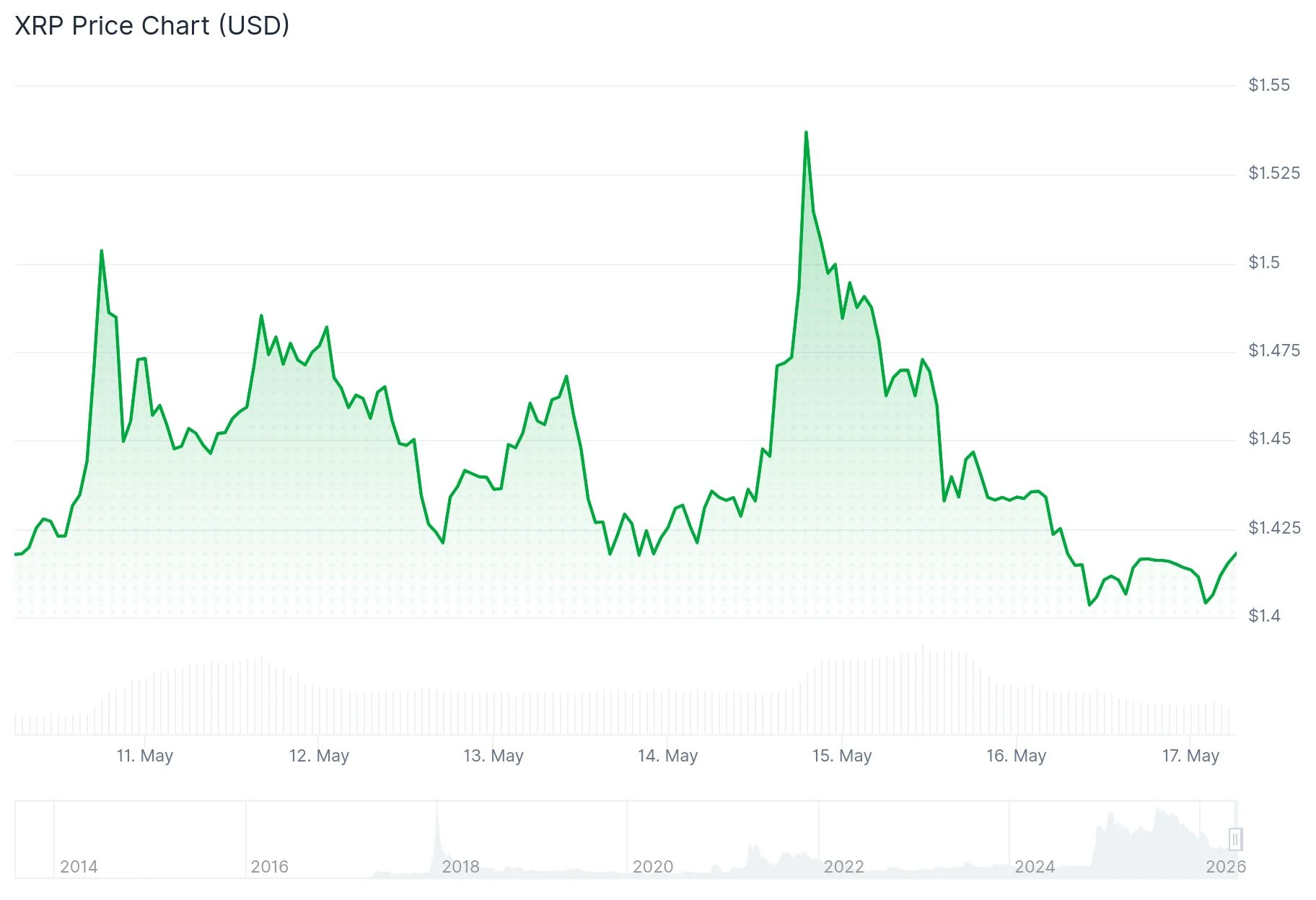
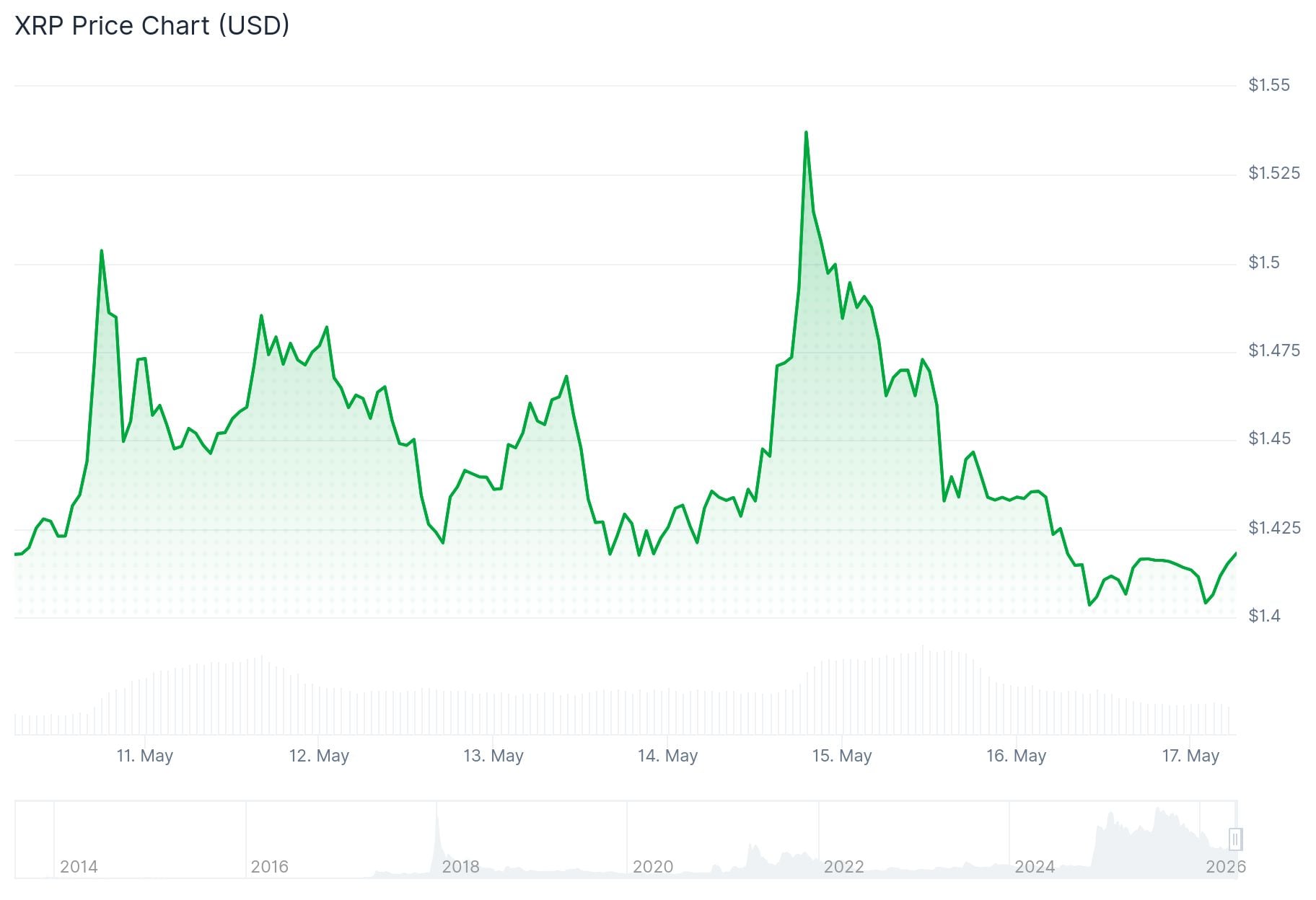
As of the writing time, SUI is trading at about $1.53, down 0.50% over the last 4 hours and 5.01% over the last 24 hours.

]]>


Disclaimer: The articles reposted on this site are sourced from public platforms and are provided for informational purposes only. They do not necessarily reflect the views of MEXC. All rights remain with the original authors. If you believe any content infringes on third-party rights, please contact [email protected] for removal. MEXC makes no guarantees regarding the accuracy, completeness, or timeliness of the content and is not responsible for any actions taken based on the information provided. The content does not constitute financial, legal, or other professional advice, nor should it be considered a recommendation or endorsement by MEXC.

You May Also Like

UK Passes Landmark Law Recognizing Crypto as Property, Boosting Ownership Protections

UK Passes Landmark Law Recognizing Crypto as Property, Boosting Ownership Protections

The United Kingdom has taken a groundbreaking step in crypto regulation by passing a new law this week that formally recognizes digital assets as a distinct category of personal property. This legislation provides clearer legal protections for ownership, theft, and litigation involving cryptocurrencies, potentially paving the way for increased adoption amid a growing user base.
Share
MEXC NEWS2025/12/08 11:07
Is Hyperliquid the new frontier for innovation?

Is Hyperliquid the new frontier for innovation?

The post Is Hyperliquid the new frontier for innovation? appeared on BitcoinEthereumNews.com. This is a segment from the 0xResearch newsletter. To read full editions, subscribe. One of the key things I like to track in crypto is a subjective criterion I call “where are new interesting developments and proposals taking place.” There are plenty of dashboards and analytics sites for this, the most popular being the Electric Capital site. The issue is that it still shows Polkadot as having a lot of developers. (At Blockworks we solved the noise problem with active users; maybe we can try the same for active developers.) Because of this noise, I prefer to track two simple observations: What is the velocity of new products launching, and how much mindshare are these products capturing? Are many people getting nerdsniped into discussing the novelties and intricacies of the chain? A related point is the caliber of people being attracted to new ecosystems. For example, over the past few years, Solana (and Ethereum) attracted the majority of talent. Talent generally goes where: It can solve interesting problems or create interesting projects. It can make a lot of money. In a podcast I did with Icebergy about a year ago, we discussed how crypto still wasn’t attracting talent at the levels AI was, despite offering faster exits and more money. AI was (and probably still is) more interesting to most talent and seen as more prestigious. After FTX, crypto lost a lot of credibility and has only recently started recovering as larger institutional players re-entered. Apart from FTX, crypto has also been criticized for being full of low-effort forks and limited utility products. This dynamic isn’t unique to crypto though. Many AI companies are also just building wrappers around GPT, which is as uninteresting as some projects in crypto. Anyway, to the point: Historically, Solana has captured the majority of…
Share
BitcoinEthereumNews2025/09/18 08:13