

Must Read
SHOOT. Independent filmmaker and student Jeff Balsamo looks at the Marawi rubble during a shoot at Ground Zero in Marawi City on January 15, 2025.SHOOT. Independent filmmaker and student Jeff Balsamo looks at the Marawi rubble during a shoot at Ground Zero in Marawi City on January 15, 2025.
Fatwa allows probers to exhume Marawi siege graves for DNA tests
For feedback or concerns regarding this content, please contact us at [email protected]
CAGAYAN DE ORO, Philippines – Forensic investigators are preparing to exhume hundreds of bodies from in Marawi City to identify victims of the five-month siege that devastated the city, a task made possible by a rare religious ruling from the Bangsamoro region’s Islamic advisory body.
The ruling by the Bangsamoro Darul-Ifta, issued in Cotabato City, covers the Maqbara public cemetery in Barangay Papandayan Caniogan, where more than 470 remains of civilians and ISIS fighters were buried following the 2017 Marawi siege in the Bangsamoro Autonomous Region in Muslim Mindanao (BARMM).
The fatwa permits the exhumation of over 1,000 victims in Marawi believed to have been killed during the five-month conflict.
Each grave is marked with a number on its headstone, but only a few have been identified by name by the Philippine National Police Scene of the Crime Operations (SOCO) and the Bureau of Fire Protection.
The fatwa, issued by Bangsamoro mufti Sheikh Abdulrauf Guialani, allows forensic experts to extract DNA samples from the exhumed bodies.
“The original ruling on exhuming graves is prohibited (haram) as it violates the sanctity and dignity of the human being. However, when justified by valid reasons, it becomes a nuanced matter in Islamic jurisprudence requiring a balance between the sanctity of the deceased and the rights of living relatives,” read part of the ruling.
Islamic law generally prohibits exhuming graves as it violates the sanctity of the deceased.
The Darul-Ifta said the fatwa was issued following a request from the International Committee of the Red Cross in the Philippines, which has been assisting government agencies in identifying the victims.
Allison Lopez, communications manager for ICRC Philippines, said the religious ruling, made in November, would bring closure to hundreds of families of victims whose fate remains uncertain.
The ICRC has been providing technical support to government agencies in the identification process and helping families identify those killed in the Marawi siege.
Lopez said at least 300 graves at Maqbara cemetery have yet to be identified by authorities.
Police said that of the 470 graves at Maqbara cemetery, only four bodies have been identified by relatives who provided DNA samples at the SOCO crime laboratory in Cagayan de Oro. – Rappler.com
Market Opportunity
Manchester City Fan Price(CITY)
$0.5127
$0.5127$0.5127
USD
Manchester City Fan (CITY) Live Price Chart
Disclaimer: The articles reposted on this site are sourced from public platforms and are provided for informational purposes only. They do not necessarily reflect the views of MEXC. All rights remain with the original authors. If you believe any content infringes on third-party rights, please contact [email protected] for removal. MEXC makes no guarantees regarding the accuracy, completeness, or timeliness of the content and is not responsible for any actions taken based on the information provided. The content does not constitute financial, legal, or other professional advice, nor should it be considered a recommendation or endorsement by MEXC.
You May Also Like

Musk reportedly plans to allocate 30% of SpaceX's new shares to retail investors, breaking with US IPO conventions.
PANews reported on March 27th that, according to Cailian Press, news broke early Friday morning Beijing time that Elon Musk is discussing allocating up to 30% of
Share
PANews2026/03/27 11:12

WTI Crude Oil Plummets Below $92.00 as US Halts Iran Energy Strikes for Critical Talks
BitcoinWorld WTI Crude Oil Plummets Below $92.00 as US Halts Iran Energy Strikes for Critical Talks Global oil markets experienced significant volatility on Wednesday
Share
bitcoinworld2026/03/27 11:15
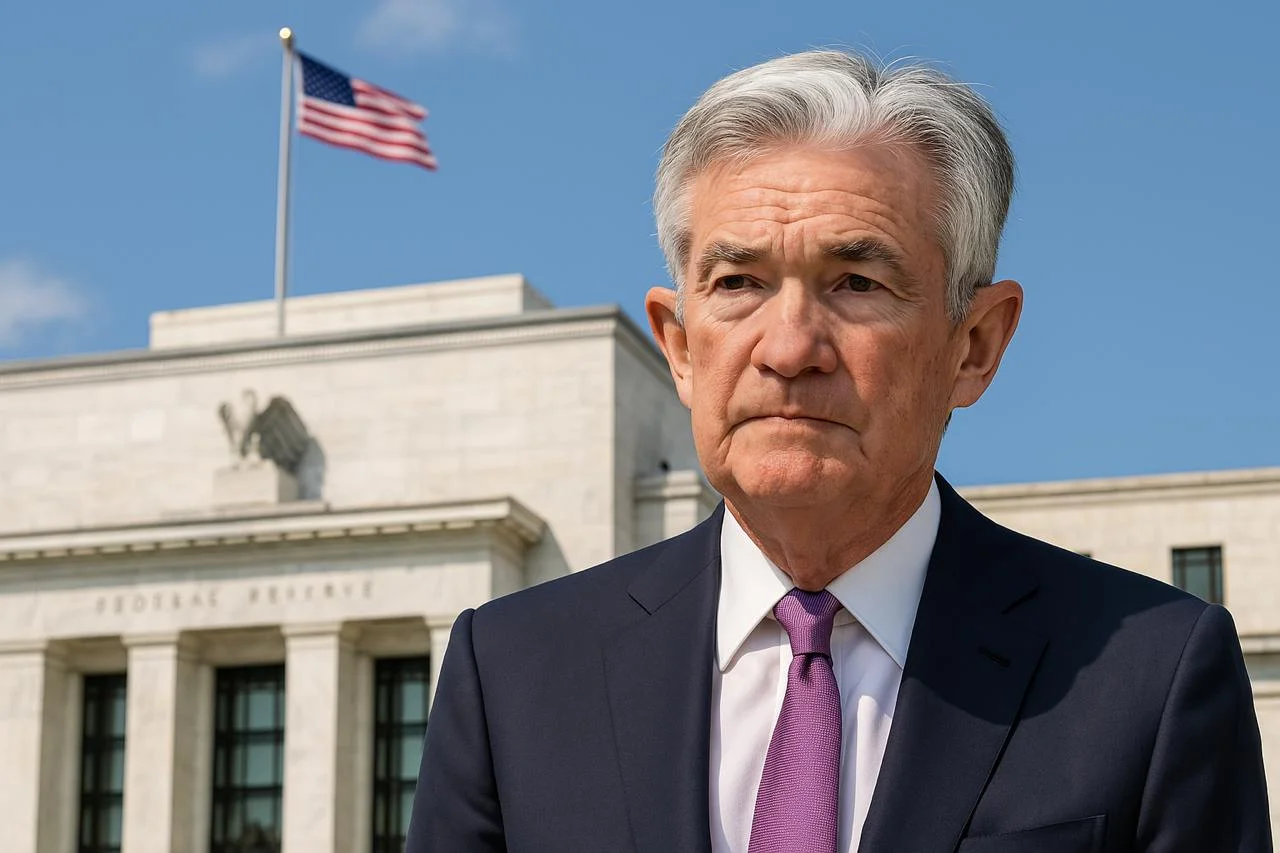
Fed Finally Cuts Interest Rates – Crypto Boom is About to Begin
The federal funds rate now stands in a range of 4.00% to 4.25%, a level that reflects a delicate balancing […] The post Fed Finally Cuts Interest Rates – Crypto Boom is About to Begin appeared first on Coindoo.
Share
Coindoo2025/09/18 02:01

