BitcoinWorld Revolutionary: How Daylight’s New Protocol Lets You Tokenize Electricity Revenue for Crypto Yield Imagine if the sun could power not just your home, but your cryptocurrency portfolio. This groundbreaking vision is now a reality. Blockchain startup Daylight has launched an innovative Ethereum-based DeFi protocol with one powerful mission: to tokenize electricity revenue. This move could fundamentally reshape how we finance renewable energy and interact with decentralized finance. What […] This post Revolutionary: How Daylight’s New Protocol Lets You Tokenize Electricity Revenue for Crypto Yield first appeared on BitcoinWorld.BitcoinWorld Revolutionary: How Daylight’s New Protocol Lets You Tokenize Electricity Revenue for Crypto Yield Imagine if the sun could power not just your home, but your cryptocurrency portfolio. This groundbreaking vision is now a reality. Blockchain startup Daylight has launched an innovative Ethereum-based DeFi protocol with one powerful mission: to tokenize electricity revenue. This move could fundamentally reshape how we finance renewable energy and interact with decentralized finance. What […] This post Revolutionary: How Daylight’s New Protocol Lets You Tokenize Electricity Revenue for Crypto Yield first appeared on BitcoinWorld.


Revolutionary: How Daylight’s New Protocol Lets You Tokenize Electricity Revenue for Crypto Yield

2025/12/09 22:45
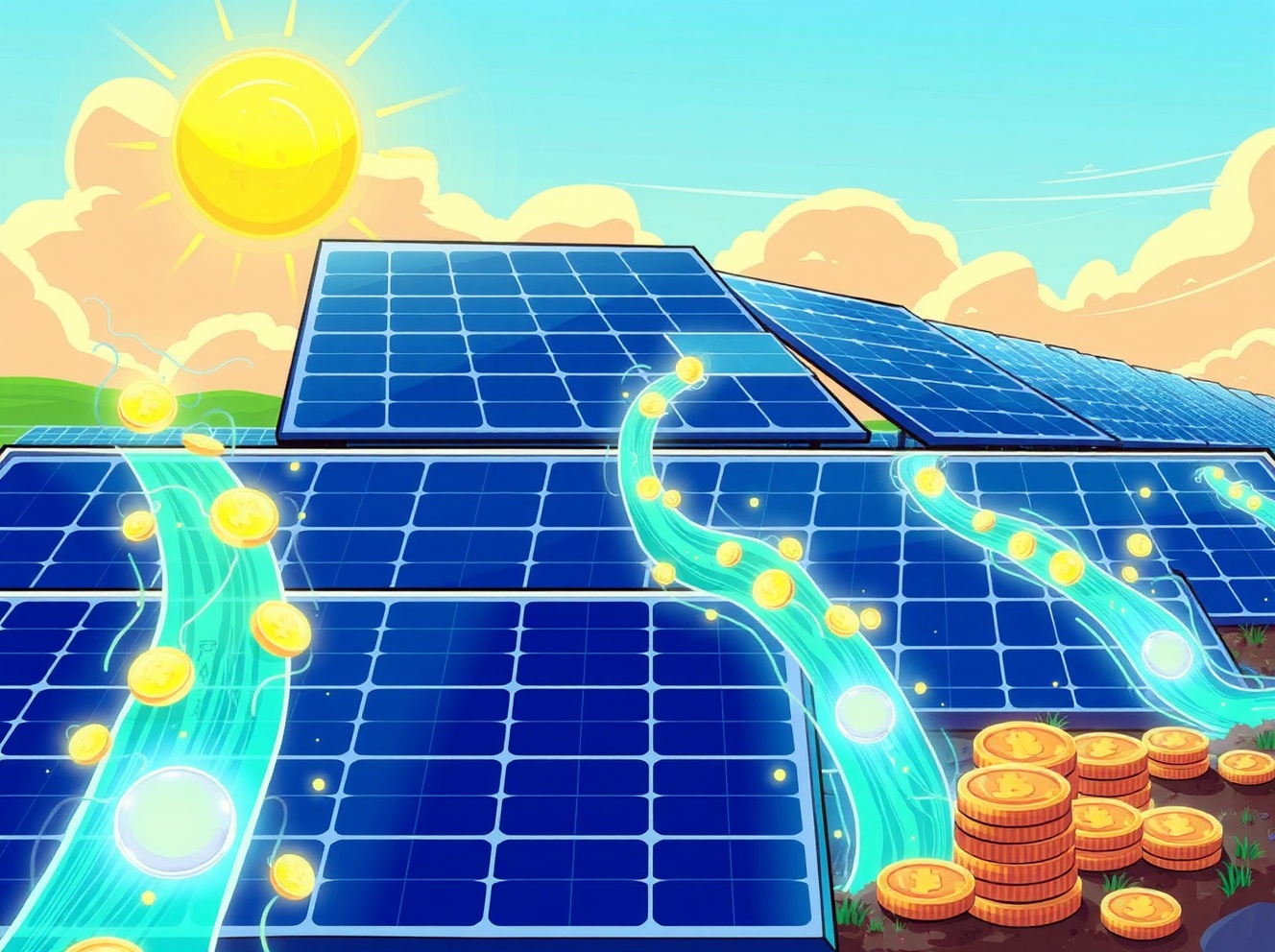
Cartoon illustration showing solar energy being converted into digital tokens to tokenize electricity revenue.

BitcoinWorld

Revolutionary: How Daylight’s New Protocol Lets You Tokenize Electricity Revenue for Crypto Yield

Imagine if the sun could power not just your home, but your cryptocurrency portfolio. This groundbreaking vision is now a reality. Blockchain startup Daylight has launched an innovative Ethereum-based DeFi protocol with one powerful mission: to tokenize electricity revenue. This move could fundamentally reshape how we finance renewable energy and interact with decentralized finance.

What Does It Mean to Tokenize Electricity Revenue?

At its core, Daylight’s new system, called DayFi, creates a bridge between physical infrastructure and digital assets. The protocol takes the predictable cash flows generated by new solar power facilities and converts them into crypto-based yield products. Therefore, investors can gain exposure to real-world energy assets through the familiar framework of DeFi.

The mechanism is elegant. When a solar farm generates electricity and sells it, that revenue stream is digitized. Daylight’s protocol then packages this financial value into tradable tokens on the Ethereum blockchain. This process allows capital to flow more efficiently into building new clean energy projects.

How Does the DayFi Protocol Actually Work?

The system relies on two primary tokens: the GRID stablecoin and the sGRID yield token. Think of GRID as a stable digital currency pegged to the value of the electricity produced. The sGRID token, however, is where the magic happens for yield seekers.

By holding sGRID, investors essentially earn a share of the revenue generated by the underlying solar assets. This setup provides a compelling answer to a critical question: How can DeFi generate sustainable, real-world yield? The answer is by anchoring it to a tangible, necessary commodity—electricity.

  • GRID Stablecoin: Acts as a stable medium of exchange, representing the base value of power.
  • sGRID Yield Token: Allows holders to earn passive income from solar farm revenue.
  • Capital Efficiency: Channels crypto investment directly into physical renewable energy expansion.

Why Is Tokenizing Energy Revenue a Game-Changer?

This model tackles two significant challenges simultaneously. First, it addresses the capital-intensive nature of building new solar infrastructure. By opening these projects to the global, 24/7 crypto market, fundraising can happen faster and from a broader pool of investors.

Second, it offers the DeFi ecosystem an asset class backed by real economic activity, not just speculative trading. This connection to the physical world could bring much-needed stability and legitimacy. Moreover, it aligns financial incentives with environmental progress—a powerful combination.

What Are the Potential Challenges and Considerations?

While the vision is transformative, the path has hurdles. Regulatory clarity around security tokens and real-world asset (RWA) tokenization is still evolving globally. The success of the protocol also depends on the reliable performance and revenue generation of the solar assets themselves.

Furthermore, the DeFi space is known for its complexity. Daylight must ensure the system is secure, transparent, and accessible enough for both crypto-native users and traditional green investors to participate confidently. Building this trust is paramount.

A Compelling Vision for a Sustainable Financial Future

Daylight’s launch represents more than just another DeFi protocol. It’s a bold step toward a future where financial markets directly fund the energy transition. The ability to tokenize electricity revenue creates a virtuous cycle: crypto capital builds solar farms, which generate clean power and revenue, which then flows back to token holders as yield.

This model has the potential to unlock trillions in value currently locked in illiquid infrastructure assets. It demonstrates how blockchain technology can move beyond digital speculation to solve real-world problems, creating a tangible impact on both our portfolios and our planet.

Frequently Asked Questions (FAQs)

Q: What does ‘tokenize electricity revenue’ actually mean?
A: It means converting the money earned from selling electricity (e.g., from a solar farm) into digital tokens on a blockchain. These tokens can then be traded, held, or used to earn yield, just like other cryptocurrencies.

Q: Is the GRID token a stablecoin?
A: Yes, the GRID token is designed as a stablecoin, meaning its value is pegged to the underlying revenue from electricity, aiming for price stability relative to that cash flow.

Q: How do I earn yield with sGRID?
A: By holding the sGRID token, you are entitled to a share of the revenue generated by the solar power facilities connected to the DayFi protocol. This revenue is distributed to holders, creating a yield.

Q: What are the risks involved?
A> Risks include smart contract vulnerabilities, regulatory changes, and the operational performance of the physical solar farms (e.g., less sunlight, maintenance issues affecting revenue).

Q: Can anyone invest in these tokens?
A: Access will depend on the platform’s requirements and local regulations. Typically, you would need a cryptocurrency wallet and likely need to interact with the protocol via a supported DeFi platform or exchange.

Q: How does this help the environment?
A: By providing a new, efficient way to fund the construction of new solar power facilities, the protocol directly channels investment into expanding renewable energy capacity, reducing reliance on fossil fuels.

Found this fusion of clean energy and crypto fascinating? Share this article on social media to spark a conversation about the future of sustainable finance! Let your network know how blockchain is powering real-world change.

To learn more about the latest trends in real-world asset (RWA) tokenization, explore our article on key developments shaping Ethereum’s role in institutional adoption and asset digitization.

This post Revolutionary: How Daylight’s New Protocol Lets You Tokenize Electricity Revenue for Crypto Yield first appeared on BitcoinWorld.

Disclaimer: The articles reposted on this site are sourced from public platforms and are provided for informational purposes only. They do not necessarily reflect the views of MEXC. All rights remain with the original authors. If you believe any content infringes on third-party rights, please contact [email protected] for removal. MEXC makes no guarantees regarding the accuracy, completeness, or timeliness of the content and is not responsible for any actions taken based on the information provided. The content does not constitute financial, legal, or other professional advice, nor should it be considered a recommendation or endorsement by MEXC.

You May Also Like

CEO Sandeep Nailwal Shared Highlights About RWA on Polygon

CEO Sandeep Nailwal Shared Highlights About RWA on Polygon

The post CEO Sandeep Nailwal Shared Highlights About RWA on Polygon appeared on BitcoinEthereumNews.com. Polygon CEO Sandeep Nailwal highlighted Polygon’s lead in global bonds, Spiko US T-Bill, and Spiko Euro T-Bill. Polygon published an X post to share that its roadmap to GigaGas was still scaling. Sentiments around POL price were last seen to be bearish. Polygon CEO Sandeep Nailwal shared key pointers from the Dune and RWA.xyz report. These pertain to highlights about RWA on Polygon. Simultaneously, Polygon underlined its roadmap towards GigaGas. Sentiments around POL price were last seen fumbling under bearish emotions. Polygon CEO Sandeep Nailwal on Polygon RWA CEO Sandeep Nailwal highlighted three key points from the Dune and RWA.xyz report. The Chief Executive of Polygon maintained that Polygon PoS was hosting RWA TVL worth $1.13 billion across 269 assets plus 2,900 holders. Nailwal confirmed from the report that RWA was happening on Polygon. The Dune and https://t.co/W6WSFlHoQF report on RWA is out and it shows that RWA is happening on Polygon. Here are a few highlights: – Leading in Global Bonds: Polygon holds 62% share of tokenized global bonds (driven by Spiko’s euro MMF and Cashlink euro issues) – Spiko U.S.… — Sandeep | CEO, Polygon Foundation (※,※) (@sandeepnailwal) September 17, 2025 The X post published by Polygon CEO Sandeep Nailwal underlined that the ecosystem was leading in global bonds by holding a 62% share of tokenized global bonds. He further highlighted that Polygon was leading with Spiko US T-Bill at approximately 29% share of TVL along with Ethereum, adding that the ecosystem had more than 50% share in the number of holders. Finally, Sandeep highlighted from the report that there was a strong adoption for Spiko Euro T-Bill with 38% share of TVL. He added that 68% of returns were on Polygon across all the chains. Polygon Roadmap to GigaGas In a different update from Polygon, the community…
Share
BitcoinEthereumNews2025/09/18 01:10
CME Group to launch Solana and XRP futures options in October

CME Group to launch Solana and XRP futures options in October

The post CME Group to launch Solana and XRP futures options in October appeared on BitcoinEthereumNews.com. CME Group is preparing to launch options on SOL and XRP futures next month, giving traders new ways to manage exposure to the two assets.  The contracts are set to go live on October 13, pending regulatory approval, and will come in both standard and micro sizes with expiries offered daily, monthly and quarterly. The new listings mark a major step for CME, which first brought bitcoin futures to market in 2017 and added ether contracts in 2021. Solana and XRP futures have quickly gained traction since their debut earlier this year. CME says more than 540,000 Solana contracts (worth about $22.3 billion), and 370,000 XRP contracts (worth $16.2 billion), have already been traded. Both products hit record trading activity and open interest in August. Market makers including Cumberland and FalconX plan to support the new contracts, arguing that institutional investors want hedging tools beyond bitcoin and ether. CME’s move also highlights the growing demand for regulated ways to access a broader set of digital assets. The launch, which still needs the green light from regulators, follows the end of XRP’s years-long legal fight with the US Securities and Exchange Commission. A federal court ruling in 2023 found that institutional sales of XRP violated securities laws, but programmatic exchange sales did not. The case officially closed in August 2025 after Ripple agreed to pay a $125 million fine, removing one of the biggest uncertainties hanging over the token. This is a developing story. This article was generated with the assistance of AI and reviewed by editor Jeffrey Albus before publication. Get the news in your inbox. Explore Blockworks newsletters: Source: https://blockworks.co/news/cme-group-solana-xrp-futures
Share
BitcoinEthereumNews2025/09/17 23:55
U.S. OCC Allows Banks ‘Riskless’ Crypto Trading Role

U.S. OCC Allows Banks ‘Riskless’ Crypto Trading Role

The post U.S. OCC Allows Banks ‘Riskless’ Crypto Trading Role appeared on BitcoinEthereumNews.com. Key Points: OCC allows banks to act as agents in crypto trades. No crypto inventory is held by banks. Activities must comply with safety and legal standards. The U.S. Office of the Comptroller of the Currency issued Interpretive Letter 1188, allowing national banks to engage in “riskless principal” cryptocurrency transactions, as reported on December 9th. This guidance enables banks to act as agent brokers in cryptocurrency trades, highlighting a regulatory shift and potentially influencing institutional crypto engagement. OCC Grants New Role for Banks in Crypto Market The adjustment allows banks to serve their clients in the cryptocurrency market with added flexibility and confidence. It broadens financial intermediation activities available to banks with applicable safety and soundness requirements. Banks can now integrate into the growing crypto-asset space without directly handling or holding the assets. No high-profile individuals or organizations have directly commented on the letter. The lack of immediate reaction from notable figures or platforms suggests either satisfaction with status-quo compliance or the absence of perceived impact on the market status. “OCC describes the activity as ‘riskless principal crypto-asset transactions’ and confirms that a national bank may engage in such transactions ‘as part of customer-driven financial intermediation activities’ so long as the bank does not maintain a proprietary crypto position and complies with safety and soundness standards and laws.” OCC News Release on Interpretive Letter 1188 Bitcoin Holds Strong Despite Recent Regulatory Movements Did you know? The OCC’s regulatory approach, including Letter 1188, builds on earlier guidance beginning with Interpretive Letter 1170 in 2020, which allowed banks to offer crypto custody services. As of December 9, 2025, Bitcoin (BTC) maintains a price of $93,039.58, with a market capitalization of formatNumber(1857050434910.60, 2). Its 24-hour trading volume stands at formatNumber(56455834645.94, 2), reflecting a decrease of 4.98% over the same period, according to CoinMarketCap.…
Share
BitcoinEthereumNews2025/12/10 02:05