

OpenAI’s Masterstroke: Slack CEO Denise Dresser Joins as Chief Revenue Officer to Transform Enterprise AI
BitcoinWorld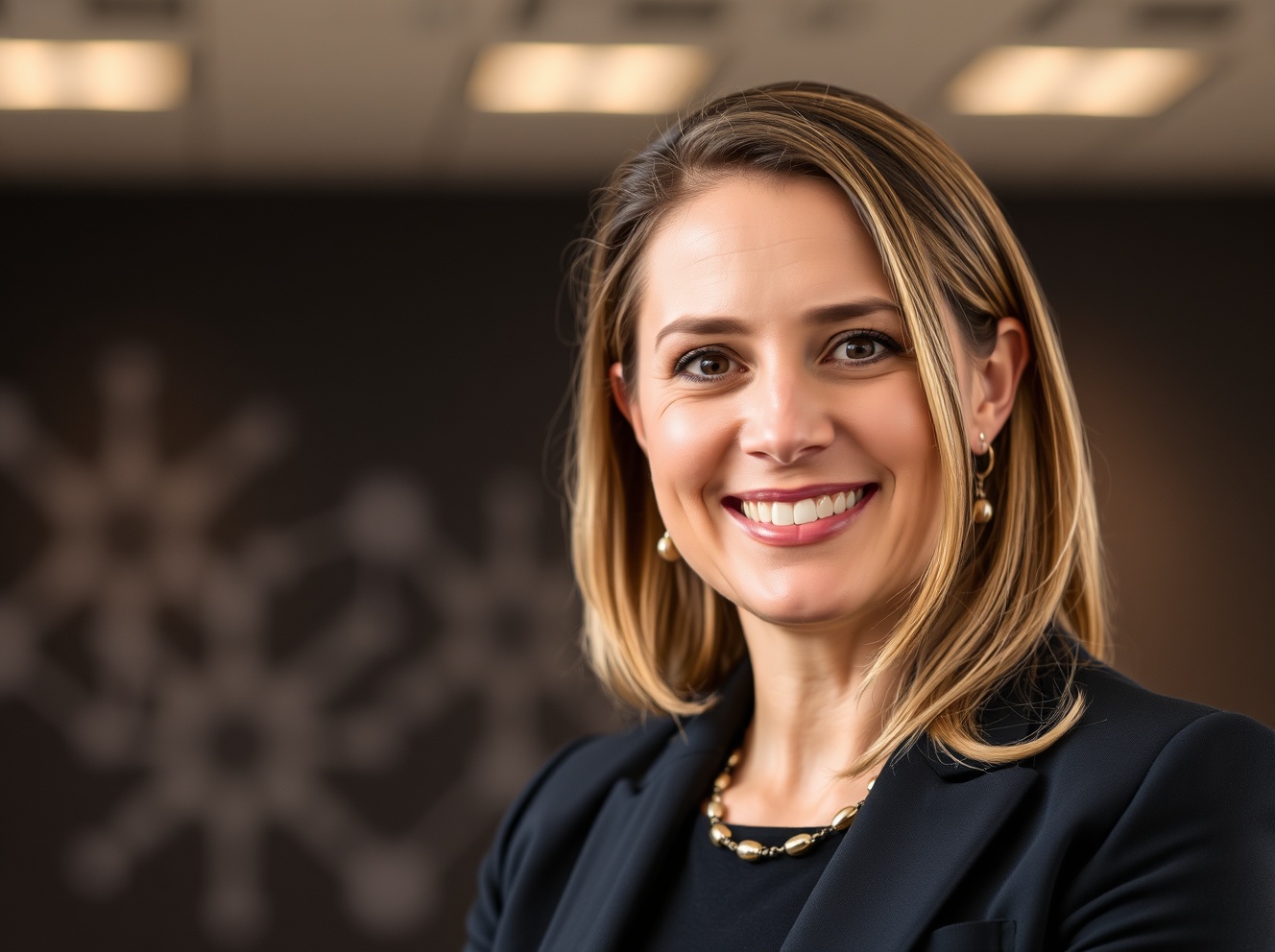
OpenAI’s Masterstroke: Slack CEO Denise Dresser Joins as Chief Revenue Officer to Transform Enterprise AI
In a strategic power move that signals OpenAI’s aggressive push into the enterprise market, the AI giant has secured a major victory by hiring Slack CEO Denise Dresser as its new chief revenue officer. This leadership coup comes at a critical juncture as OpenAI faces mounting pressure to transform its groundbreaking technology into sustainable revenue streams. For cryptocurrency and tech investors watching the AI sector, this appointment represents more than just executive shuffling—it’s a clear signal that OpenAI is serious about building a profitable business model around its revolutionary AI tools.
Why OpenAI’s Chief Revenue Officer Appointment Matters
The hiring of Denise Dresser as OpenAI’s chief revenue officer represents a pivotal moment in the company’s evolution. After years of focusing primarily on research and development, OpenAI is now placing significant emphasis on monetization and enterprise adoption. Dresser brings over 14 years of experience from Salesforce, Slack’s parent company, where she oversaw the integration of AI features into workplace productivity tools. Her appointment suggests OpenAI is preparing for a major push into business-to-business markets, potentially creating new revenue models that could influence how AI companies approach profitability.
Denise Dresser’s Journey from Slack CEO to OpenAI Leadership
Denise Dresser’s career trajectory demonstrates why she’s uniquely positioned for this critical role at OpenAI. During her tenure at Slack, she spearheaded the implementation of AI-powered features that enhanced workplace collaboration and productivity. This experience gives her valuable insights into how businesses actually use AI tools in daily operations. Her understanding of enterprise software adoption cycles, customer success strategies, and revenue generation in subscription-based models will be crucial as OpenAI navigates the complex landscape of enterprise AI adoption.
| Executive | Previous Role | New OpenAI Role | Industry Experience |
|---|---|---|---|
| Denise Dresser | Slack CEO | Chief Revenue Officer | 14+ years at Salesforce/Slack |
| Fidji Simo | Instacart CEO | CEO of Applications | Tech leadership across multiple sectors |
The Enterprise AI Strategy Behind This Executive Move
OpenAI’s decision to appoint a chief revenue officer with Dresser’s background reveals several strategic priorities:
- Enterprise Focus: OpenAI recognizes that sustainable revenue will come from business customers, not just individual users
- Integration Expertise: Dresser’s experience with Slack’s AI features positions her to help businesses integrate OpenAI tools into existing workflows
- Revenue Diversification: The company appears to be moving beyond API access fees toward more comprehensive enterprise solutions
- Customer Success: Her background suggests OpenAI will prioritize helping businesses achieve measurable results with AI
Challenges Facing OpenAI’s New Chief Revenue Officer
Despite the optimism surrounding this appointment, Denise Dresser faces significant challenges as OpenAI’s chief revenue officer. The company must balance several competing priorities:
- Developing pricing models that businesses will accept while covering massive computational costs
- Addressing enterprise concerns about data privacy, security, and regulatory compliance
- Competing with established enterprise software vendors who are rapidly adding AI capabilities
- Managing expectations from investors seeking profitability while maintaining OpenAI’s research-focused culture
What This Means for the Future of Enterprise AI
The appointment of a seasoned executive like Denise Dresser as chief revenue officer suggests OpenAI is entering a new phase of maturity. Rather than treating revenue generation as an afterthought, the company appears to be building a dedicated structure around monetization. This could lead to:
- More tailored AI solutions for specific industries and business functions
- Enhanced support and implementation services for enterprise customers
- Strategic partnerships with other enterprise software providers
- New pricing models that reflect the value AI creates for businesses
Leadership Reshuffle: Who Takes Over at Slack?
With Denise Dresser’s departure to become OpenAI’s chief revenue officer, Slack has appointed Rob Seaman, the company’s chief product officer, as interim CEO. This transition comes at a time when workplace collaboration tools are increasingly integrating AI capabilities. The leadership change raises questions about how Slack will continue to develop its AI features without Dresser’s guidance, and whether the company will maintain its current strategic direction or pivot in response to changing market dynamics.
FAQs: Understanding the OpenAI Leadership Move
Who is Denise Dresser?
Denise Dresser is the outgoing CEO of Slack and incoming chief revenue officer at OpenAI. She spent over 14 years at Salesforce, Slack’s parent company, where she gained extensive experience in enterprise software and AI integration.
What will be her responsibilities as OpenAI’s chief revenue officer?
As chief revenue officer, Dresser will be responsible for OpenAI’s revenue strategy in enterprise markets and customer success initiatives. This includes developing pricing models, expanding enterprise adoption, and ensuring businesses achieve value from OpenAI’s tools.
Who is Fidji Simo?
Fidji Simo is OpenAI’s CEO of Applications, who joined earlier this year after serving as CEO of Instacart. Like Dresser, she brings significant executive experience to OpenAI’s leadership team.
What happens to Slack leadership?
Slack’s chief product officer, Rob Seaman, will serve as interim CEO following Dresser’s departure to OpenAI. The company has not yet announced permanent leadership plans.
Why is this appointment significant for the AI industry?
This move signals that leading AI companies are shifting focus from pure research to sustainable business models. It highlights the growing importance of enterprise revenue in the AI sector and suggests increased competition for business customers.
Conclusion: A Watershed Moment for AI Commercialization
The appointment of Denise Dresser as OpenAI’s chief revenue officer represents more than just an executive change—it’s a declaration of intent. OpenAI is moving decisively toward building a sustainable business model around its revolutionary technology. For businesses considering AI adoption, this signals that enterprise-grade support and implementation will become increasingly available. For competitors, it serves notice that OpenAI intends to dominate not just AI research but also AI commercialization. The success of this strategy will depend on Dresser’s ability to translate OpenAI’s technical capabilities into tangible business value for enterprise customers.
To learn more about the latest AI leadership and enterprise adoption trends, explore our articles on key developments shaping AI commercialization and executive movements in the technology sector.
This post OpenAI’s Masterstroke: Slack CEO Denise Dresser Joins as Chief Revenue Officer to Transform Enterprise AI first appeared on BitcoinWorld.


You May Also Like

Not a loophole: Singapore AI export controls let China tap US AI legally

Iran’s army chief warns of ‘total destruction’ for ground invasion

Analysts Monitor This Cheap Crypto After 3x Growth, Still Under $1



