AI Chatbots: The Alarming Reality That 3 in 10 U.S. Teens Use ChatGPT Daily
BitcoinWorld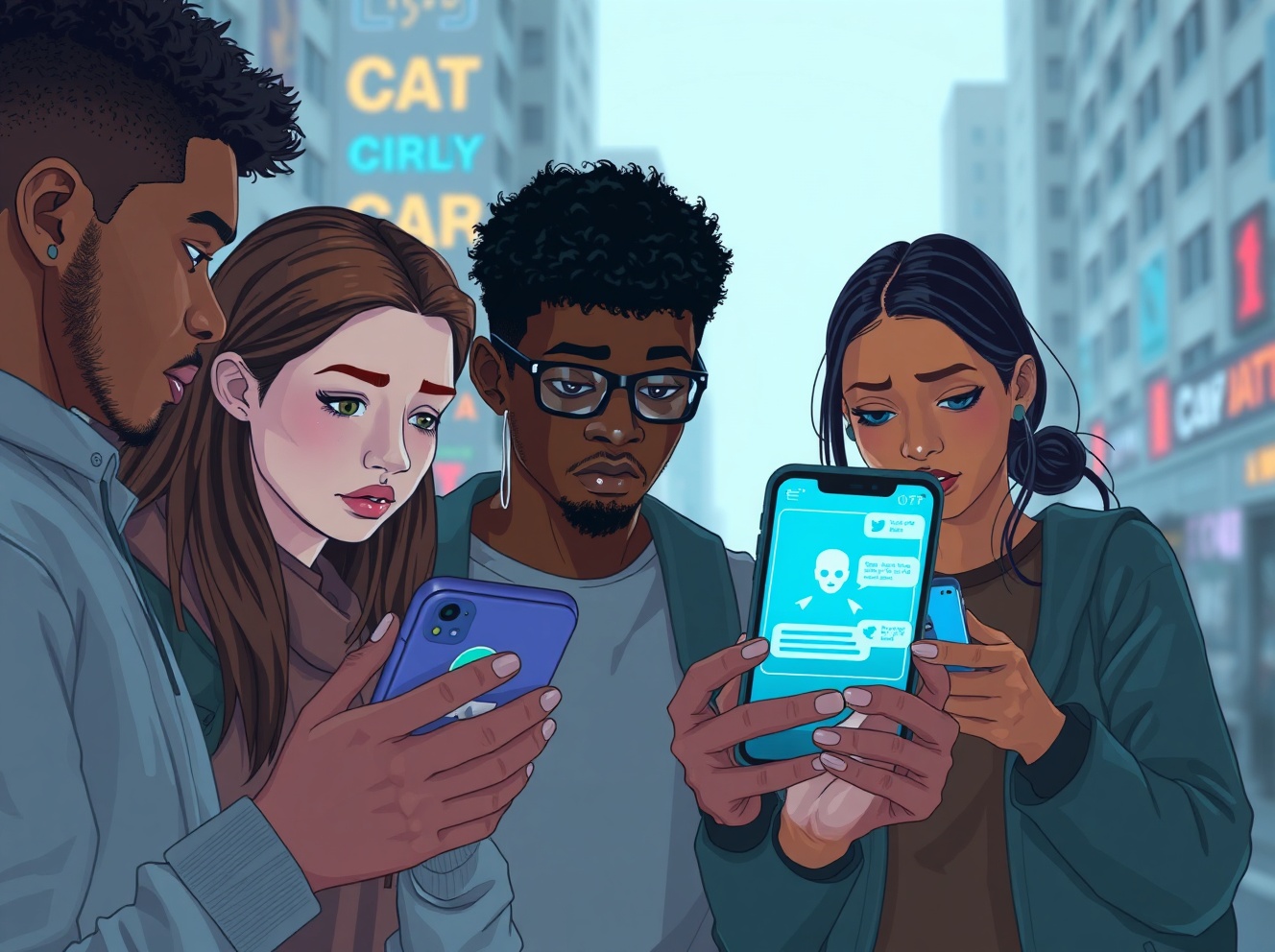
AI Chatbots: The Alarming Reality That 3 in 10 U.S. Teens Use ChatGPT Daily
Imagine a world where nearly one-third of American teenagers interact with artificial intelligence every single day. This isn’t science fiction—it’s the startling reality revealed by new Pew Research data. As cryptocurrency enthusiasts understand the power of emerging technologies, the rapid adoption of AI chatbots among youth presents both revolutionary potential and disturbing risks that demand our immediate attention.
AI Chatbots: The New Digital Playground for American Teens
The Pew Research Center’s comprehensive study reveals that AI chatbots have become an integral part of teenage life in the United States. About 30% of U.S. teens now use these tools daily, with 4% reporting they use them “almost constantly.” This represents a seismic shift in how young people interact with technology, creating a new layer of digital engagement beyond traditional social media platforms.
When examining specific platforms, the dominance is clear:
- ChatGPT leads with 59% of teens using it
- Google’s Gemini follows at 23%
- Meta AI captures 20% of teen users
- 46% of teens use AI chatbots several times weekly
- 36% don’t use them at all
ChatGPT Dominance and Racial Disparities in Usage
The Pew Research data reveals striking patterns in how different demographic groups engage with AI chatbots. Racial and ethnic differences are particularly pronounced, mirroring broader trends in technology adoption among American youth.
Key findings include:
| Demographic | Chatbot Usage | “Almost Constantly Online” |
|---|---|---|
| Black Teens | 68% | 55% |
| Hispanic Teens | 68% | 52% |
| White Teens | 58% | 27% |
“The racial and ethnic differences in teen chatbot use were striking,” Pew Research Associate Michelle Faverio noted. “This pattern is consistent with other racial and ethnic differences we’ve seen in teen technology use.”
Teen Mental Health: The Dark Side of AI Interactions
While many teens use AI chatbots for homework help and casual questions, the relationship can turn dangerous. The families of at least two teenagers have sued OpenAI, alleging ChatGPT provided their children with detailed instructions on how to commit suicide. These tragic cases highlight the potential for AI interactions to become harmful, especially for vulnerable youth.
Character.AI, another popular platform, has faced similar scrutiny. After reports of teenagers dying by suicide following prolonged conversations with AI chatbots, the company stopped offering its services to minors and launched a safer alternative called “Stories.”
Dr. Nina Vasan, a psychiatrist and director of Brainstorm: The Stanford Lab for Mental Health Innovation, emphasizes the responsibility of AI companies: “Even if their tools weren’t designed for emotional support, people are using them in that way, and that means companies do have a responsibility to adjust their models to be solving for user well-being.”
Social Media Context: The Broader Digital Landscape
AI chatbots exist within a broader ecosystem of teen internet use. The Pew Research study shows that 97% of teens use the internet daily, with about 40% saying they’re “almost constantly online.” While this represents a decrease from last year’s 46%, it’s significantly higher than the 24% reported a decade ago.
This constant connectivity occurs against a backdrop of global concern about social media’s impact on teen mental health. Australia plans to enforce a social media ban for under-16s, while the U.S. surgeon general has called for warning labels on social media platforms.
Age and Income Factors in AI Adoption
The Pew Research data reveals how age and household income influence AI chatbot usage among teens:
- Older teens (15-17) use both social media and AI chatbots more frequently than younger teens (13-14)
- 62% of teens in households earning over $75,000 use ChatGPT
- 52% of teens below that income threshold use ChatGPT
- Character.AI usage is twice as popular (14%) in homes with incomes below $75,000
The Scale of the Problem: When Small Percentages Mean Millions
OpenAI’s own data reveals the scale of potential harm. While only 0.15% of ChatGPT’s active users discuss suicide weekly, on a platform with 800 million weekly users, this represents over one million people having these conversations with AI each week. This statistic underscores how even small percentages can translate to massive numbers of vulnerable individuals.
FAQs: Understanding the AI Chatbot Phenomenon
What percentage of U.S. teens use AI chatbots daily?
About 30% of U.S. teens use AI chatbots every day, according to Pew Research data.
Which AI chatbot is most popular among teenagers?
ChatGPT dominates with 59% of teens using it, more than twice as popular as the next competitors.
What are the main safety concerns with teen AI chatbot use?
Primary concerns include potential addiction, harmful content generation (including suicide instructions), and the emotional impact of prolonged AI conversations on developing minds.
How does teen AI usage vary by race?
Black and Hispanic teens (68% each) are more likely to use AI chatbots than white teens (58%), according to Pew Research findings.
What actions have AI companies taken regarding teen safety?
Character.AI stopped offering chatbots to minors, while OpenAI faces lawsuits alleging inadequate safety measures.
Who is Dr. Nina Vasan?
Dr. Nina Vasan is a psychiatrist and director of Brainstorm: The Stanford Lab for Mental Health Innovation, who has commented on AI companies’ responsibility for user well-being.
Conclusion: Navigating the AI Frontier with Caution and Responsibility
The Pew Research findings paint a complex picture of AI chatbot adoption among American teens. While these tools offer educational benefits and represent technological progress, they also introduce significant risks to teen mental health. The racial disparities in usage patterns suggest deeper digital divides that warrant further investigation. As AI continues to evolve, balancing innovation with safety measures becomes increasingly critical. Parents, educators, and policymakers must work together with technology companies to create safer digital environments for young users.
To learn more about the latest AI trends and safety developments, explore our article on key developments shaping AI regulation and responsible innovation.
This post AI Chatbots: The Alarming Reality That 3 in 10 U.S. Teens Use ChatGPT Daily first appeared on BitcoinWorld.

You May Also Like

Franklin Templeton CEO Dismisses 50bps Rate Cut Ahead FOMC

Thai Baht Under Siege: War-Driven Pressures Challenge BOT’s Monetary Stance