

Urgent CBDC Ban: US Lawmaker Moves to Block Federal Reserve Digital Currency
BitcoinWorld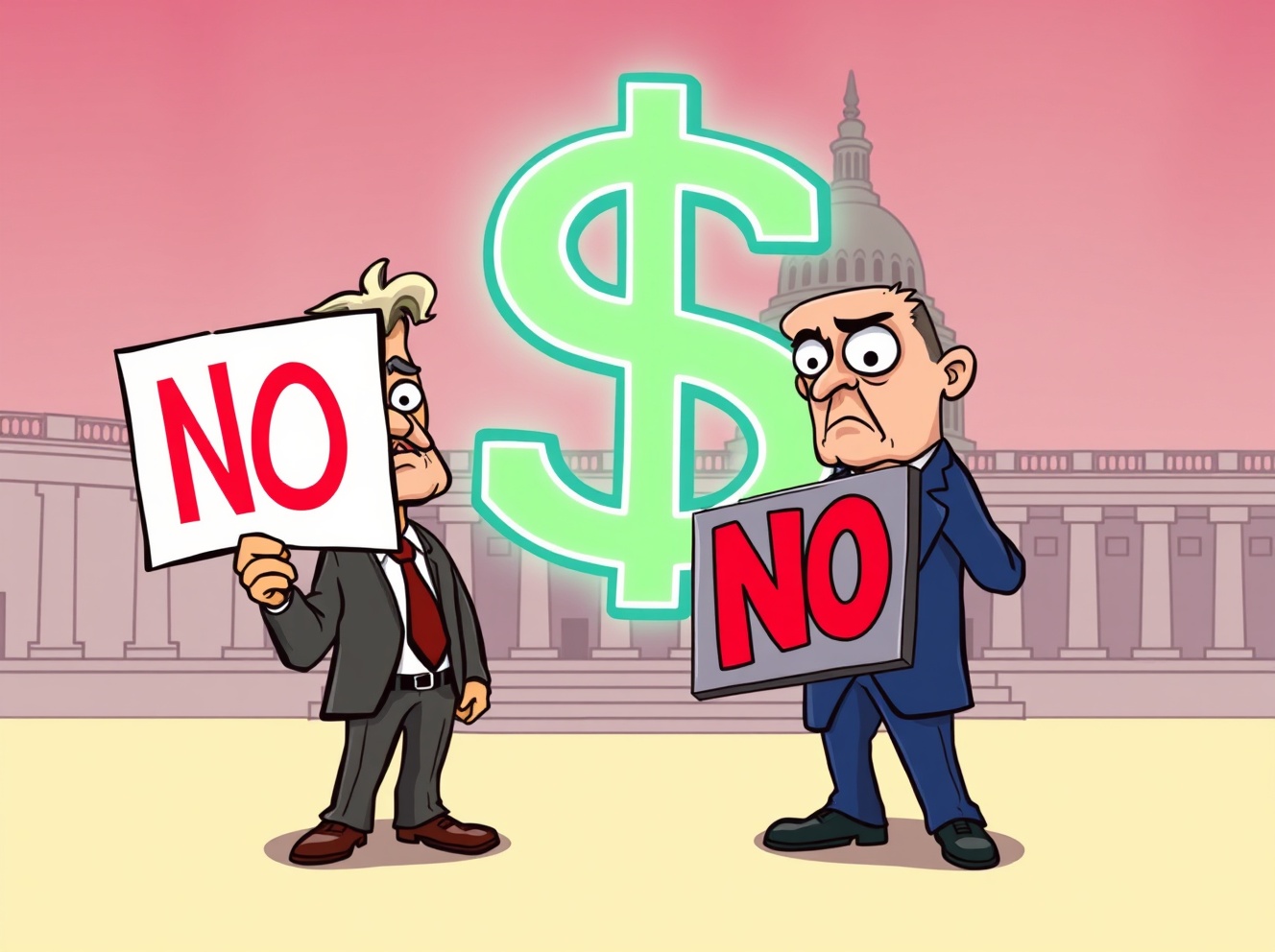
Urgent CBDC Ban: US Lawmaker Moves to Block Federal Reserve Digital Currency
In a bold political maneuver, a US lawmaker has launched a direct challenge to the future of digital money in America. Representative Keith Self has submitted a critical amendment aiming for a complete CBDC ban, embedding this financial fight within the must-pass National Defense Authorization Act. This move signals a deepening political battle over who controls the future of US currency.
What Does This Proposed CBDC Ban Actually Do?
The amendment, if passed, would create a legal firewall. It explicitly prohibits the Federal Reserve from developing, testing, or launching a central bank digital currency for direct use by individuals. This isn’t just a policy suggestion; it’s an attempt to write a permanent CBDC ban into law through the powerful NDAA, which funds the entire US military.
The strategy is clear: attach the controversial digital currency prohibition to a bill that Congress must pass. Therefore, lawmakers would have to vote on the defense budget and the CBDC ban as a single package, increasing its chances of success.
Why Is There Such Strong Opposition to a US Digital Dollar?
Proponents of the ban cite major concerns that resonate with privacy advocates and financial freedom supporters. Their core arguments include:
- Financial Surveillance: A digital currency could allow unprecedented government tracking of every transaction.
- Programmability Risks: The government could theoretically impose restrictions on how and when money is spent.
- Centralization of Power: It places immense monetary control directly in the hands of a central bank.
- Privacy Erosion: Moving away from physical cash eliminates anonymous transactions.
However, supporters of a US CBDC argue it could modernize payments, increase financial inclusion for the unbanked, and help the dollar compete with digital currencies from China and other nations. The debate, therefore, pits innovation and global competitiveness against core American values of privacy and liberty.
What Are the Immediate Next Steps for This CBDC Ban Proposal?
The amendment’s journey is just beginning. First, it must pass the House Rules Committee, which decides what amendments get a floor vote. This is a crucial hurdle. If it clears the committee, it proceeds to a full vote in the House of Representatives.
Its inclusion in the NDAA is particularly significant. Initially, House Republican leadership released a version of the defense bill without any CBDC ban language. Representative Self’s amendment forces the issue back onto the agenda, demonstrating persistent and organized opposition within Congress to a digital dollar.
Could This CBDC Ban Actually Become Law?
The path to becoming law is complex but possible. The amendment must survive the House, then be reconciled with the Senate’s version of the NDAA, which may not contain a similar provision. The final, decisive battle would happen in a conference committee where lawmakers from both chambers negotiate the final bill.
Even if the CBDC ban fails this year, its introduction sets a powerful precedent. It mobilizes opposition, frames the public debate, and establishes a legislative blueprint for future attempts to block a Federal Reserve digital currency. The fight over a US CBDC is now officially a congressional battle.
The Bottom Line: A Defining Moment for Digital Currency
This proposed CBDC ban represents more than a single amendment; it is a watershed moment. It crystallizes the deep philosophical divide over the future of money. On one side is the push for technological efficiency and state-controlled financial systems. On the other is a defense of financial privacy and decentralized economic freedom. The outcome of this political clash will shape the US monetary system for decades, determining whether the digital future of the dollar is centralized or remains in the hands of its users.
Frequently Asked Questions (FAQs)
What is the NDAA and why does it matter for a CBDC ban?
The National Defense Authorization Act is the annual bill that authorizes funding for the US Department of Defense. It is considered a ‘must-pass’ piece of legislation. Attaching the CBDC ban to it is a strategic move to force a vote on the issue and increase its chances of becoming law.
Who is Representative Keith Self?
Keith Self is a Republican Congressman representing Texas’s 3rd congressional district. He is a member of the House Financial Services Committee and has been a vocal critic of a US central bank digital currency, framing it as an issue of government overreach and financial privacy.
Has the Federal Reserve already created a CBDC?
No. The Federal Reserve has only been researching the potential for a digital dollar. It has repeatedly stated that it would not proceed without clear support from the executive branch and authorizing legislation from Congress. This amendment seeks to preemptively deny that authorization.
Do other countries have CBDCs?
Yes. Several countries, including China with its digital yuan, have already launched or are in advanced testing phases of their own central bank digital currencies. This global shift is a key reason the US is debating the issue, with some arguing America risks falling behind.
What happens if this amendment passes the House but not the Senate?
If only one chamber of Congress approves the ban, it will not become law. The final NDAA bill is negotiated between the House and Senate. The CBDC ban provision would be a key point of negotiation, and could be removed, modified, or kept in the final compromise bill sent to the President.
Can the President veto a CBDC ban?
Yes, the President can veto any bill passed by Congress, including the NDAA. However, overriding a presidential veto requires a two-thirds majority in both the House and Senate, which is a very high bar. The political dynamics surrounding a potential veto would depend on the administration in power at the time.
Did this analysis of the potential CBDC ban help you understand the high-stakes political battle? Share this article to spark a conversation about the future of money and financial privacy on your social media channels. Your voice matters in this critical debate.
To learn more about the latest cryptocurrency regulatory trends, explore our article on key developments shaping global digital currency policy and institutional adoption.
This post Urgent CBDC Ban: US Lawmaker Moves to Block Federal Reserve Digital Currency first appeared on BitcoinWorld.
You May Also Like

BlackRock shifts $185B model portfolios deeper into US stocks and AI

Here’s why Bitcoin mining stocks Bitfarms and IREN are surging


