The post US President Donald Trump plans final round of Fed Chair interviews in coming days — WSJ appeared on BitcoinEthereumNews.com. US President Donald Trump plans to begin his final round of interviews in the coming days with candidates to be the next Federal Reserve (Fed) Chair, the Wall Street Journal reported on Tuesday, citing senior administration officials. The source stated that Trump and several of his aides are set to interview former Fed governor Kevin Warsh on Wednesday. Other contenders, including White House economic adviser Kevin Hassett, are soon expected to meet with the president. Market reaction The US Dollar Index (DXY) pair is losing 0.04% on the day to trade at 99.20 at the press time. Fed FAQs Monetary policy in the US is shaped by the Federal Reserve (Fed). The Fed has two mandates: to achieve price stability and foster full employment. Its primary tool to achieve these goals is by adjusting interest rates. When prices are rising too quickly and inflation is above the Fed’s 2% target, it raises interest rates, increasing borrowing costs throughout the economy. This results in a stronger US Dollar (USD) as it makes the US a more attractive place for international investors to park their money. When inflation falls below 2% or the Unemployment Rate is too high, the Fed may lower interest rates to encourage borrowing, which weighs on the Greenback. The Federal Reserve (Fed) holds eight policy meetings a year, where the Federal Open Market Committee (FOMC) assesses economic conditions and makes monetary policy decisions. The FOMC is attended by twelve Fed officials – the seven members of the Board of Governors, the president of the Federal Reserve Bank of New York, and four of the remaining eleven regional Reserve Bank presidents, who serve one-year terms on a rotating basis. In extreme situations, the Federal Reserve may resort to a policy named Quantitative Easing (QE). QE is the process by which… The post US President Donald Trump plans final round of Fed Chair interviews in coming days — WSJ appeared on BitcoinEthereumNews.com. US President Donald Trump plans to begin his final round of interviews in the coming days with candidates to be the next Federal Reserve (Fed) Chair, the Wall Street Journal reported on Tuesday, citing senior administration officials. The source stated that Trump and several of his aides are set to interview former Fed governor Kevin Warsh on Wednesday. Other contenders, including White House economic adviser Kevin Hassett, are soon expected to meet with the president. Market reaction The US Dollar Index (DXY) pair is losing 0.04% on the day to trade at 99.20 at the press time. Fed FAQs Monetary policy in the US is shaped by the Federal Reserve (Fed). The Fed has two mandates: to achieve price stability and foster full employment. Its primary tool to achieve these goals is by adjusting interest rates. When prices are rising too quickly and inflation is above the Fed’s 2% target, it raises interest rates, increasing borrowing costs throughout the economy. This results in a stronger US Dollar (USD) as it makes the US a more attractive place for international investors to park their money. When inflation falls below 2% or the Unemployment Rate is too high, the Fed may lower interest rates to encourage borrowing, which weighs on the Greenback. The Federal Reserve (Fed) holds eight policy meetings a year, where the Federal Open Market Committee (FOMC) assesses economic conditions and makes monetary policy decisions. The FOMC is attended by twelve Fed officials – the seven members of the Board of Governors, the president of the Federal Reserve Bank of New York, and four of the remaining eleven regional Reserve Bank presidents, who serve one-year terms on a rotating basis. In extreme situations, the Federal Reserve may resort to a policy named Quantitative Easing (QE). QE is the process by which…

US President Donald Trump plans final round of Fed Chair interviews in coming days — WSJ

2025/12/10 14:35

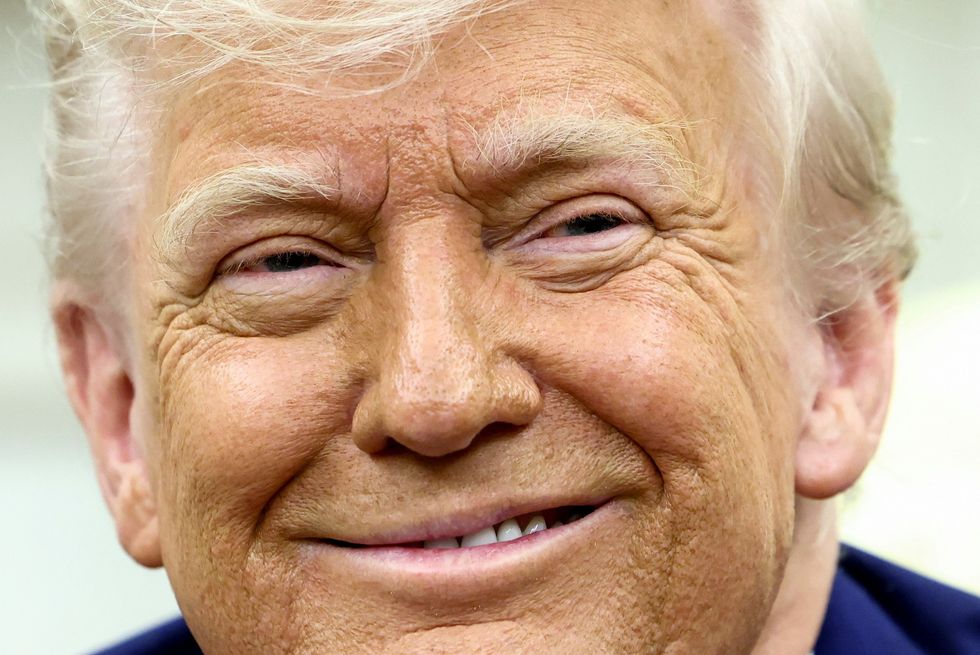
US President Donald Trump plans to begin his final round of interviews in the coming days with candidates to be the next Federal Reserve (Fed) Chair, the Wall Street Journal reported on Tuesday, citing senior administration officials.

The source stated that Trump and several of his aides are set to interview former Fed governor Kevin Warsh on Wednesday. Other contenders, including White House economic adviser Kevin Hassett, are soon expected to meet with the president.

Market reaction

The US Dollar Index (DXY) pair is losing 0.04% on the day to trade at 99.20 at the press time.

Fed FAQs

Monetary policy in the US is shaped by the Federal Reserve (Fed). The Fed has two mandates: to achieve price stability and foster full employment. Its primary tool to achieve these goals is by adjusting interest rates.
When prices are rising too quickly and inflation is above the Fed’s 2% target, it raises interest rates, increasing borrowing costs throughout the economy. This results in a stronger US Dollar (USD) as it makes the US a more attractive place for international investors to park their money.
When inflation falls below 2% or the Unemployment Rate is too high, the Fed may lower interest rates to encourage borrowing, which weighs on the Greenback.

The Federal Reserve (Fed) holds eight policy meetings a year, where the Federal Open Market Committee (FOMC) assesses economic conditions and makes monetary policy decisions.
The FOMC is attended by twelve Fed officials – the seven members of the Board of Governors, the president of the Federal Reserve Bank of New York, and four of the remaining eleven regional Reserve Bank presidents, who serve one-year terms on a rotating basis.

In extreme situations, the Federal Reserve may resort to a policy named Quantitative Easing (QE). QE is the process by which the Fed substantially increases the flow of credit in a stuck financial system.
It is a non-standard policy measure used during crises or when inflation is extremely low. It was the Fed’s weapon of choice during the Great Financial Crisis in 2008. It involves the Fed printing more Dollars and using them to buy high grade bonds from financial institutions. QE usually weakens the US Dollar.

Quantitative tightening (QT) is the reverse process of QE, whereby the Federal Reserve stops buying bonds from financial institutions and does not reinvest the principal from the bonds it holds maturing, to purchase new bonds. It is usually positive for the value of the US Dollar.

Source: https://www.fxstreet.com/news/us-president-donald-trump-plans-final-round-of-fed-chair-interviews-in-coming-days-wsj-202512100612
Disclaimer: The articles reposted on this site are sourced from public platforms and are provided for informational purposes only. They do not necessarily reflect the views of MEXC. All rights remain with the original authors. If you believe any content infringes on third-party rights, please contact [email protected] for removal. MEXC makes no guarantees regarding the accuracy, completeness, or timeliness of the content and is not responsible for any actions taken based on the information provided. The content does not constitute financial, legal, or other professional advice, nor should it be considered a recommendation or endorsement by MEXC.

You May Also Like

Sweden Industrial Production Value (YoY) down to 5.9% in October from previous 13.5%

Sweden Industrial Production Value (YoY) down to 5.9% in October from previous 13.5%

The post Sweden Industrial Production Value (YoY) down to 5.9% in October from previous 13.5% appeared on BitcoinEthereumNews.com. Information on these pages contains forward-looking statements that involve risks and uncertainties. Markets and instruments profiled on this page are for informational purposes only and should not in any way come across as a recommendation to buy or sell in these assets. You should do your own thorough research before making any investment decisions. FXStreet does not in any way guarantee that this information is free from mistakes, errors, or material misstatements. It also does not guarantee that this information is of a timely nature. Investing in Open Markets involves a great deal of risk, including the loss of all or a portion of your investment, as well as emotional distress. All risks, losses and costs associated with investing, including total loss of principal, are your responsibility. The views and opinions expressed in this article are those of the authors and do not necessarily reflect the official policy or position of FXStreet nor its advertisers. The author will not be held responsible for information that is found at the end of links posted on this page. If not otherwise explicitly mentioned in the body of the article, at the time of writing, the author has no position in any stock mentioned in this article and no business relationship with any company mentioned. The author has not received compensation for writing this article, other than from FXStreet. FXStreet and the author do not provide personalized recommendations. The author makes no representations as to the accuracy, completeness, or suitability of this information. FXStreet and the author will not be liable for any errors, omissions or any losses, injuries or damages arising from this information and its display or use. Errors and omissions excepted. The author and FXStreet are not registered investment advisors and nothing in this article is intended to be investment…
Share
BitcoinEthereumNews2025/12/10 15:29

