BitcoinWorld Pound Stablecoins: UK’s FCA Makes a Bold Priority for 2024 In a decisive move for the UK’s financial future, the Financial Conduct Authority (FCA) has placed pound stablecoins at the very top of its agenda for the new year. This announcement signals a pivotal shift, aiming to bring the stability of the British pound into the fast-evolving world of digital assets. However, the current reality […] This post Pound Stablecoins: UK’s FCA Makes a Bold Priority for 2024 first appeared on BitcoinWorld.BitcoinWorld Pound Stablecoins: UK’s FCA Makes a Bold Priority for 2024 In a decisive move for the UK’s financial future, the Financial Conduct Authority (FCA) has placed pound stablecoins at the very top of its agenda for the new year. This announcement signals a pivotal shift, aiming to bring the stability of the British pound into the fast-evolving world of digital assets. However, the current reality […] This post Pound Stablecoins: UK’s FCA Makes a Bold Priority for 2024 first appeared on BitcoinWorld.

Pound Stablecoins: UK’s FCA Makes a Bold Priority for 2024

2025/12/11 00:25
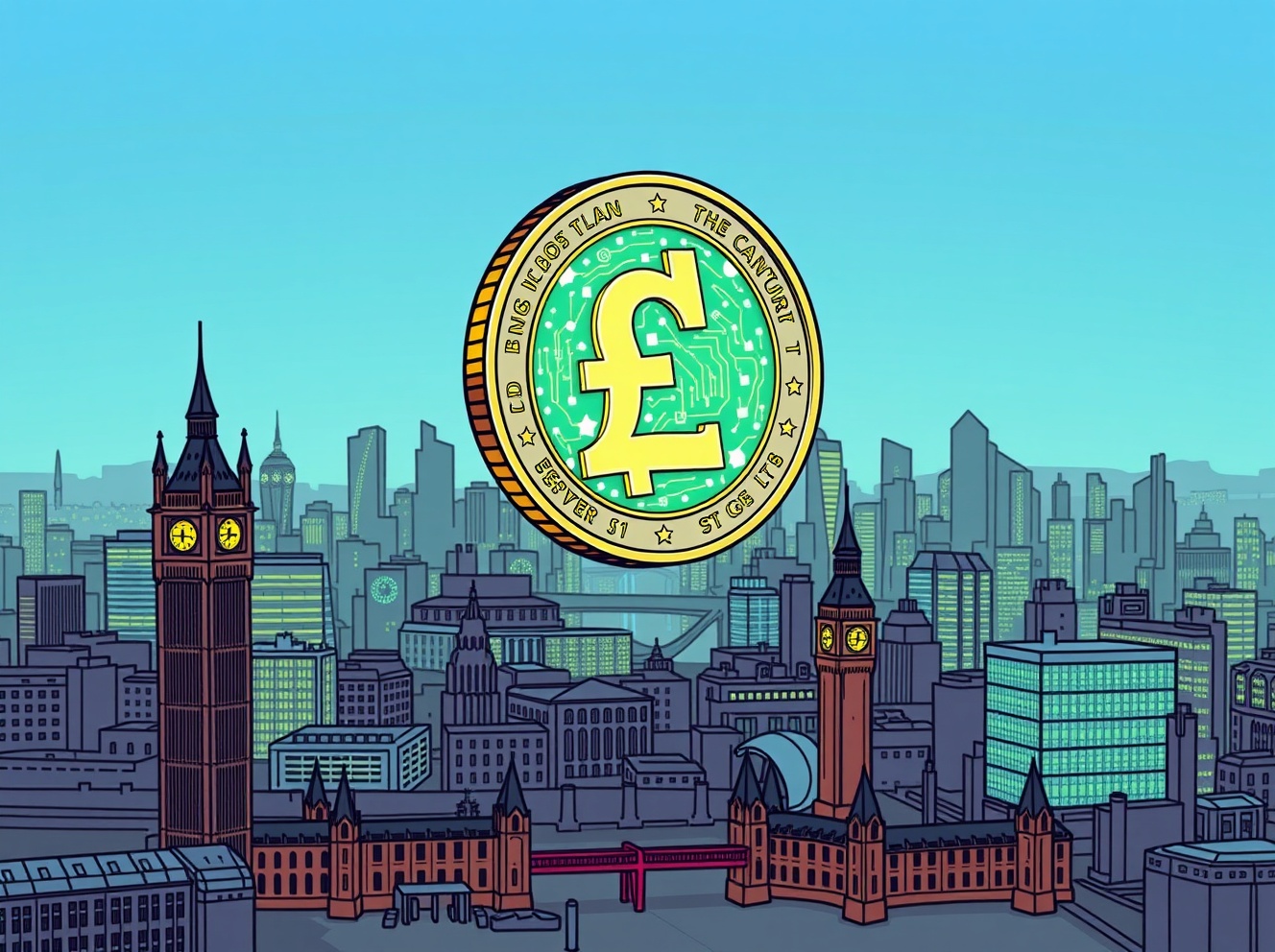
Illustration of a digital pound stablecoin as a key priority for UK financial regulation.

BitcoinWorld

Pound Stablecoins: UK’s FCA Makes a Bold Priority for 2024

In a decisive move for the UK’s financial future, the Financial Conduct Authority (FCA) has placed pound stablecoins at the very top of its agenda for the new year. This announcement signals a pivotal shift, aiming to bring the stability of the British pound into the fast-evolving world of digital assets. However, the current reality presents a stark challenge: less than $6 million worth of these sterling-pegged tokens are in circulation today. Why is the regulator focusing so intently on such a small market, and what does this mean for everyone from crypto enthusiasts to everyday consumers?

Why Are Pound Stablecoins Suddenly a Top FCA Priority?

The FCA’s focus isn’t random. It’s a strategic step to shape the UK’s role in the global digital economy. A pound stablecoin is a cryptocurrency designed to maintain a steady value, pegged 1:1 to the British pound. The regulator sees them as a foundational piece for a more efficient and inclusive financial system. Their prioritization directly supports the UK government’s broader ambition to become a global hub for crypto asset technology. By establishing clear rules early, the FCA hopes to foster innovation while ensuring consumer protection and financial stability.

The Current Market: A Tiny Footprint with Massive Potential

Despite the regulatory enthusiasm, the market for pound stablecoins is remarkably small. Data from DL News highlights that the total circulating supply is valued under $6 million. To put that in perspective, the market for US dollar-pegged stablecoins like Tether (USDT) and USD Coin (USDC) is worth hundreds of billions. This vast disparity reveals both the challenge and the opportunity. The UK market is essentially a blank slate, waiting for the right combination of regulatory clarity, institutional trust, and consumer demand to trigger growth.

The current low adoption can be linked to several factors:

  • Regulatory Uncertainty: Until now, the rules of the game have been unclear, deterring major issuers.
  • Market Habit: The crypto ecosystem is deeply dollar-denominated, creating a high barrier to entry for a new sterling-based asset.
  • Limited Use Cases: Few decentralized finance (DeFi) platforms or payment systems are optimized for GBP-pegged tokens.

What Benefits Could a Thriving Pound Stablecoin Ecosystem Bring?

If successful, the FCA’s push could unlock significant advantages for the UK. A robust pound stablecoin market isn’t just about crypto trading; it’s about modernizing finance. Imagine faster, cheaper international remittances for families sending money home. Consider businesses settling invoices across borders in minutes instead of days, without hefty currency conversion fees. For consumers, it could mean seamless online payments that bridge traditional e-commerce and the emerging world of digital assets. Ultimately, it strengthens the pound’s relevance in the digital age.

Navigating the Road Ahead: Key Challenges for Regulators

The path forward is not without hurdles. The FCA must craft a regulatory framework that balances multiple, often competing, objectives. They need to ensure these digital pounds are fully backed by safe, real-world assets to maintain their promised stability—a lesson learned from past stablecoin failures. Simultaneously, the rules must be flexible enough to encourage innovation and not stifle it. Furthermore, they must work in tandem with the Bank of England’s exploration of a Central Bank Digital Currency (CBDC), ensuring private-sector pound stablecoins and a potential digital pound complement rather than conflict with each other.

Conclusion: A Defining Moment for UK Finance

The FCA’s declaration is more than a regulatory to-do list item; it’s a statement of intent. By prioritizing pound stablecoins, the UK is proactively choosing to shape its digital financial destiny. While the market today is minuscule, the regulatory groundwork being laid could be the catalyst for widespread adoption. The success of this initiative will depend on clear, pragmatic regulation that builds trust among institutions, innovators, and the public. If done right, it could position the British pound at the heart of the next generation of global finance.

Frequently Asked Questions (FAQs)

What exactly is a pound stablecoin?
A pound stablecoin is a type of cryptocurrency whose value is designed to be pegged, or tied, to the value of the British pound sterling (GBP). For every digital token in circulation, there should be an equivalent amount of GBP held in reserve.

Why is the FCA making this a priority now?
The FCA is acting to establish the UK as a competitive leader in digital assets. By setting clear rules early, they aim to attract responsible innovation, protect consumers, and ensure financial stability as the crypto market evolves.

How are pound stablecoins different from a digital pound (CBDC)?
A pound stablecoin would likely be issued by a private company (like a bank or fintech firm) under FCA supervision. A digital pound, or Central Bank Digital Currency (CBDC), would be issued directly by the Bank of England, much like digital cash.

What are the main risks of using stablecoins?
The primary risk is that the issuer may not hold sufficient, high-quality reserves to back all the tokens, potentially causing the stablecoin to “de-peg” and lose its 1:1 value. Regulatory oversight aims to mitigate this risk.

Can I use pound stablecoins for everyday purchases?
Currently, use cases are limited. However, a key goal of regulation is to enable safe and efficient use for payments, potentially making them a viable option for everyday transactions in the future.

What does this mean for the average UK crypto investor?
It signals growing regulatory legitimacy for crypto assets in the UK. It may soon provide a safer, more familiar GBP-denominated option for trading, earning yield in DeFi, or holding digital value without exposure to pound-dollar exchange rate fluctuations.

Join the Conversation

Do you think pound stablecoins will become a mainstream part of UK finance? What opportunities or concerns do you see? Share your thoughts and this article on social media to discuss the future of digital money with your network.

To learn more about the latest trends in digital currency regulation, explore our article on key developments shaping the global stablecoin landscape and institutional adoption.

This post Pound Stablecoins: UK’s FCA Makes a Bold Priority for 2024 first appeared on BitcoinWorld.

Disclaimer: The articles reposted on this site are sourced from public platforms and are provided for informational purposes only. They do not necessarily reflect the views of MEXC. All rights remain with the original authors. If you believe any content infringes on third-party rights, please contact [email protected] for removal. MEXC makes no guarantees regarding the accuracy, completeness, or timeliness of the content and is not responsible for any actions taken based on the information provided. The content does not constitute financial, legal, or other professional advice, nor should it be considered a recommendation or endorsement by MEXC.

You May Also Like

Akash Network’s Strategic Move: A Crucial Burn for AKT’s Future

Akash Network’s Strategic Move: A Crucial Burn for AKT’s Future

BitcoinWorld Akash Network’s Strategic Move: A Crucial Burn for AKT’s Future In the dynamic world of decentralized computing, exciting developments are constantly shaping the future. Today, all eyes are on Akash Network, the innovative supercloud project, as it proposes a significant change to its tokenomics. This move aims to strengthen the value of its native token, AKT, and further solidify its position in the competitive blockchain space. The community is buzzing about a newly submitted governance proposal that could introduce a game-changing Burn Mint Equilibrium (BME) model. What is the Burn Mint Equilibrium (BME) for Akash Network? The core of this proposal revolves around a concept called Burn Mint Equilibrium, or BME. Essentially, this model is designed to create a balance in the token’s circulating supply by systematically removing a portion of tokens from existence. For Akash Network, this means burning an amount of AKT that is equivalent to the U.S. dollar value of fees paid by network users. Fee Conversion: When users pay for cloud services on the Akash Network, these fees are typically collected in various cryptocurrencies or stablecoins. AKT Equivalence: The proposal suggests converting the U.S. dollar value of these collected fees into an equivalent amount of AKT. Token Burn: This calculated amount of AKT would then be permanently removed from circulation, or ‘burned’. This mechanism creates a direct link between network utility and token supply reduction. As more users utilize the decentralized supercloud, more AKT will be burned, potentially impacting the token’s scarcity and value. Why is This Proposal Crucial for AKT Holders? For anyone holding AKT, or considering investing in the Akash Network ecosystem, this proposal carries significant weight. Token burning mechanisms are often viewed as a positive development because they can lead to increased scarcity. When supply decreases while demand remains constant or grows, the price per unit tends to increase. Here are some key benefits: Increased Scarcity: Burning tokens reduces the total circulating supply of AKT. This makes each remaining token potentially more valuable over time. Demand-Supply Dynamics: The BME model directly ties the burning of AKT to network usage. Higher adoption of the Akash Network supercloud translates into more fees, and thus more AKT burned. Long-Term Value Proposition: By creating a deflationary pressure, the proposal aims to enhance AKT’s long-term value, making it a more attractive asset for investors and long-term holders. This strategic move demonstrates a commitment from the Akash Network community to optimize its tokenomics for sustainable growth and value appreciation. How Does BME Impact the Decentralized Supercloud Mission? Beyond token value, the BME proposal aligns perfectly with the broader mission of the Akash Network. As a decentralized supercloud, Akash provides a marketplace for cloud computing resources, allowing users to deploy applications faster, more efficiently, and at a lower cost than traditional providers. The BME model reinforces this utility. Consider these impacts: Network Health: A stronger AKT token can incentivize more validators and providers to secure and contribute resources to the network, improving its overall health and resilience. Ecosystem Growth: Enhanced token value can attract more developers and projects to build on the Akash Network, fostering a vibrant and diverse ecosystem. User Incentive: While users pay fees, the potential appreciation of AKT could indirectly benefit those who hold the token, creating a circular economy within the supercloud. This proposal is not just about burning tokens; it’s about building a more robust, self-sustaining, and economically sound decentralized cloud infrastructure for the future. What Are the Next Steps for the Akash Network Community? As a governance proposal, the BME model will now undergo a period of community discussion and voting. This is a crucial phase where AKT holders and network participants can voice their opinions, debate the merits, and ultimately decide on the future direction of the project. Transparency and community engagement are hallmarks of decentralized projects like Akash Network. Challenges and Considerations: Implementation Complexity: Ensuring the burning mechanism is technically sound and transparent will be vital. Community Consensus: Achieving broad agreement within the diverse Akash Network community is key for successful adoption. The outcome of this vote will significantly shape the tokenomics and economic model of the Akash Network, influencing its trajectory in the rapidly evolving decentralized cloud landscape. The proposal to introduce a Burn Mint Equilibrium model represents a bold and strategic step for Akash Network. By directly linking network usage to token scarcity, the project aims to create a more resilient and valuable AKT token, ultimately strengthening its position as a leading decentralized supercloud provider. This move underscores the project’s commitment to innovative tokenomics and sustainable growth, promising an exciting future for both users and investors in the Akash Network ecosystem. It’s a clear signal that Akash is actively working to enhance its value proposition and maintain its competitive edge in the decentralized future. Frequently Asked Questions (FAQs) 1. What is the main goal of the Burn Mint Equilibrium (BME) proposal for Akash Network? The primary goal is to adjust the circulating supply of AKT tokens by burning a portion of network fees, thereby creating deflationary pressure and potentially enhancing the token’s long-term value and scarcity. 2. How will the amount of AKT to be burned be determined? The proposal suggests burning an amount of AKT equivalent to the U.S. dollar value of fees paid by users on the Akash Network for cloud services. 3. What are the potential benefits for AKT token holders? Token holders could benefit from increased scarcity of AKT, which may lead to higher demand and appreciation in value over time, especially as network usage grows. 4. How does this proposal relate to the overall mission of Akash Network? The BME model reinforces the Akash Network‘s mission by creating a stronger, more economically robust ecosystem. A healthier token incentivizes network participants, fostering growth and stability for the decentralized supercloud. 5. What is the next step for this governance proposal? The proposal will undergo a period of community discussion and voting by AKT token holders. The community’s decision will determine if the BME model is implemented on the Akash Network. If you found this article insightful, consider sharing it with your network! Your support helps us bring more valuable insights into the world of decentralized technology. Stay informed and help spread the word about the exciting developments happening within Akash Network. To learn more about the latest crypto market trends, explore our article on key developments shaping decentralized cloud solutions price action. This post Akash Network’s Strategic Move: A Crucial Burn for AKT’s Future first appeared on BitcoinWorld.
Share
Coinstats2025/09/22 21:35