

Crypto Fear & Greed Index Stuck at 29: A Stark Signal of Lingering Market Fear
BitcoinWorld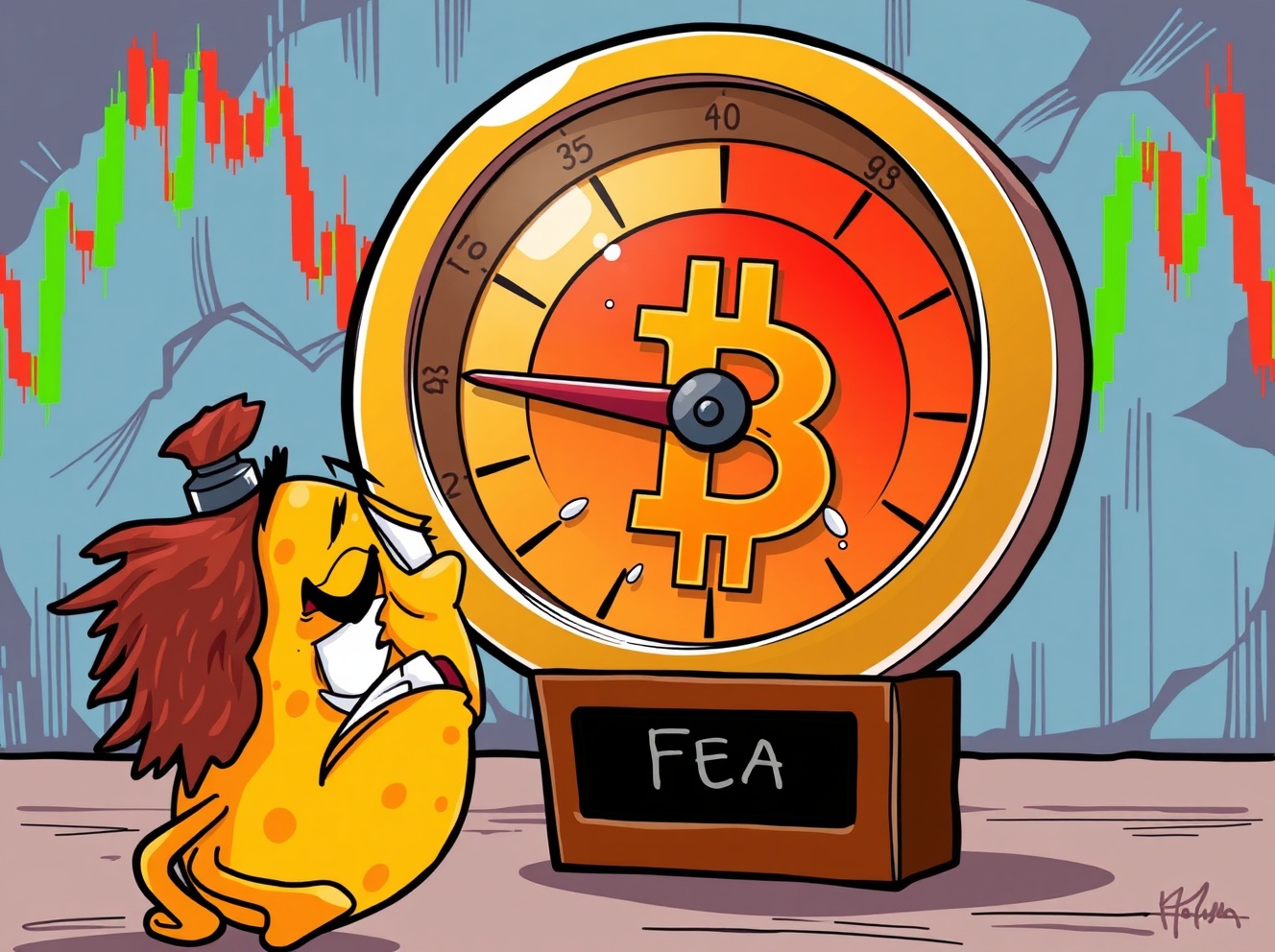
Crypto Fear & Greed Index Stuck at 29: A Stark Signal of Lingering Market Fear
If you’ve felt a chill in the crypto market lately, you’re not imagining it. The latest reading from the widely watched Crypto Fear & Greed Index confirms the mood: it’s holding steady at a score of 29. This firmly places current market sentiment in the ‘fear’ category. But what does this number really tell us, and more importantly, what should a savvy investor do about it? Let’s decode the signal from the noise.
What is the Crypto Fear & Greed Index Telling Us Right Now?
The Crypto Fear & Greed Index is a powerful tool that quantifies the emotional temperature of the cryptocurrency market. Think of it as a market mood ring. A score of 29, unchanged from the previous day, indicates that fear is the dominant emotion among traders and investors. This index ranges from 0, representing extreme fear, to 100, which signals extreme greed. The current stagnation at 29 suggests the market is in a cautious, wait-and-see phase, lacking the conviction for a strong move in either direction.
How is the Crypto Fear & Greed Index Calculated?
This isn’t just a guess; it’s a data-driven snapshot. The index from Alternative.me compiles information from several key sources to create its daily score. Understanding the components helps explain why the sentiment is what it is.
- Volatility (25%): Sharp price swings, especially downward, feed fear.
- Market Volume (25%): Low or declining volume can indicate a lack of buyer interest.
- Social Media (15%): The tone and volume of conversations on platforms like Twitter and Reddit.
- Surveys (15%): Direct polling of market participants.
- Bitcoin Dominance (10%): When Bitcoin’s share of the total crypto market cap rises, it often signals a ‘flight to safety’.
- Google Trends (10%): Search volume for terms like ‘Bitcoin crash’ or ‘crypto bubble’.
The current Crypto Fear & Greed Index score of 29 means these factors collectively paint a picture of apprehension.
Should You Be Afraid When the Index Shows Fear?
Here’s where it gets interesting. While ‘fear’ sounds negative, experienced market participants often see it differently. A low Crypto Fear & Greed Index can present a strategic opportunity. Historically, periods of extreme fear have sometimes preceded market bottoms or buying opportunities, as weak hands sell and value investors step in. However, it’s crucial to remember that the index is a sentiment indicator, not a price predictor. It tells you how people feel, not necessarily where the price will go next.
Actionable Insights in a Fearful Market
So, the Crypto Fear & Greed Index is flashing yellow. What’s your next move? First, avoid panic selling based on sentiment alone. Use this information as one piece of your broader research puzzle. This is an excellent time for due diligence—researching projects with strong fundamentals that may be undervalued. Consider dollar-cost averaging (DCA) to build positions gradually, reducing the risk of buying at a single high point. Most importantly, ensure your portfolio allocation aligns with your personal risk tolerance.
The Bottom Line on Today’s Crypto Sentiment
The Crypto Fear & Greed Index holding at 29 is a clear sign that uncertainty reigns. It reflects real concerns about volatility, macroeconomic factors, and regulatory headlines. However, by understanding what drives this index, you can move from reacting to emotion to making informed decisions. In the tumultuous world of crypto, sometimes the best action is informed patience.
Frequently Asked Questions (FAQs)
Q: Is a Fear & Greed Index score of 29 a good time to buy Bitcoin?
A: It can be. Many contrarian investors view periods of fear as potential buying opportunities, as prices may be depressed. However, you should never base a buy decision solely on this index. Always conduct your own research and consider your financial goals.
Q: How often is the Crypto Fear & Greed Index updated?
A: The index is updated daily, typically once per day. You can find it on websites like Alternative.me.
Q: Does the index only measure sentiment for Bitcoin?
A> While Bitcoin is the primary driver due to its dominance and data availability, the index aims to reflect sentiment across the broader cryptocurrency market, as many altcoins move in correlation with Bitcoin.
Q: Has the index been accurate in the past?
A> The index has been effective at identifying periods of extreme market emotion, such as the euphoric highs near bull market peaks and the fearful lows during sharp corrections. It is a reliable gauge of prevailing mood, not a crystal ball for exact price movements.
Q: Where can I check the Crypto Fear & Greed Index?
A> The most common source is the website Alternative.me. Many major crypto news and data platforms also display it on their market analysis pages.
Q: Should I sell my crypto if the index is in ‘Extreme Fear’?
A> Not necessarily. ‘Extreme Fear’ often coincides with market capitulation, which can mark a turning point. Selling during extreme fear can mean selling at a low. Review your investment thesis and long-term strategy instead of making emotional decisions.
Did this breakdown of the Crypto Fear & Greed Index help you make sense of the market’s mood? If you found this analysis valuable, share it with your network on Twitter, LinkedIn, or Telegram. Helping other investors navigate sentiment can make the entire ecosystem more informed and resilient.
To learn more about the latest crypto market trends, explore our article on key developments shaping Bitcoin price action and institutional adoption.
This post Crypto Fear & Greed Index Stuck at 29: A Stark Signal of Lingering Market Fear first appeared on BitcoinWorld.


You May Also Like

The changing face of elder care in Malaysia — Sayed Mohammad Reza Yamani Sayed Umar

Covéa Chooses Shift Technology as Strategic Partner for Fraud and Risk Management

Not a loophole: Singapore AI export controls let China tap US AI legally



