

Bitcoin Accumulation Addresses Make a Stunning 75,000 BTC Grab in 10 Days
BitcoinWorld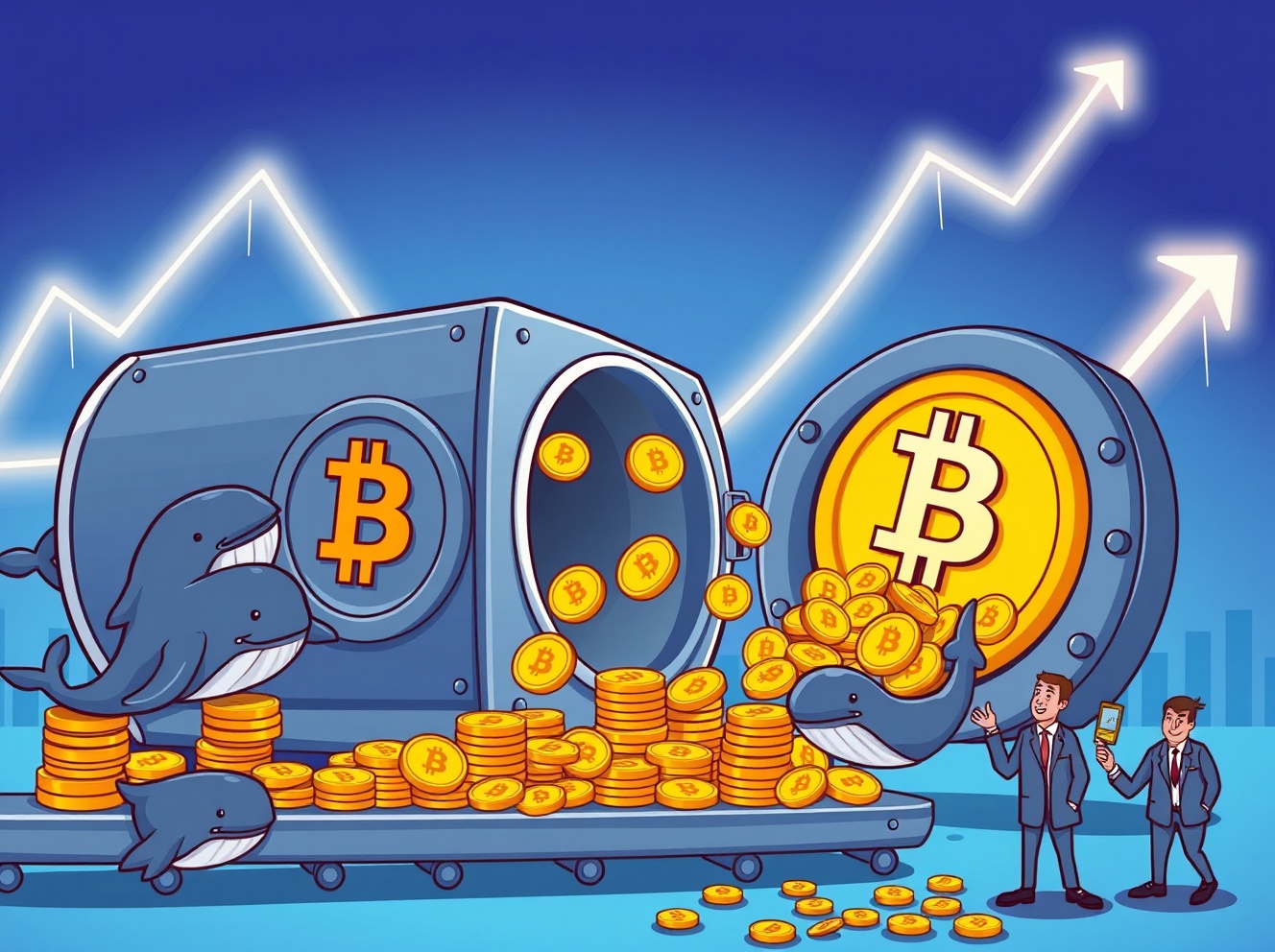
Bitcoin Accumulation Addresses Make a Stunning 75,000 BTC Grab in 10 Days
Have you ever wondered what the smart money is doing in crypto? A powerful signal just flashed across the Bitcoin network. In a stunning display of confidence, dedicated Bitcoin accumulation addresses scooped up a massive 75,000 BTC in just the first ten days of December. This isn’t casual trading; it’s a strategic, long-term bet on Bitcoin’s future. Let’s dive into what this means for the market and why you should pay attention.
What Are Bitcoin Accumulation Addresses Telling Us?
First, let’s clarify what we mean by Bitcoin accumulation addresses. These are not your average crypto wallets. According to analysis shared by CryptoQuant contributor DarkPost, these addresses have specific hallmarks that scream “diamond hands.” They have no history of withdrawals, only repeated deposits. Furthermore, analysts filter out wallets linked to exchanges, miners, or smart contracts. This leaves a pure sample of wallets held by entities buying Bitcoin to hold, not to trade. The recent activity from these wallets is nothing short of remarkable.
The December Surge: A Closer Look at the Numbers
The data reveals a compelling narrative. Between December 1st and 10th, these long-term focused Bitcoin accumulation addresses added 75,000 BTC to their coffers. To put that in perspective, that’s over $3.2 billion worth of Bitcoin at current prices. Even more striking is the pace of buying. A whopping 40,000 BTC of that total was purchased in just a 48-hour window between December 9th and 10th. This concentrated buying spree has pushed the total holdings of this tracked cohort to approximately 315,000 BTC, and the trend reportedly continues. This action highlights several key points:
- Institutional Confidence: Large, sustained purchases suggest deep-pocketed investors see current prices as a strategic entry point.
- Supply Shock Potential: When Bitcoin is moved off exchanges into these cold storage wallets, it reduces the liquid supply available for trading.
- Long-Term Horizon: The very definition of these addresses implies the buyers are in it for the long haul, not short-term gains.
Why Does This Bitcoin Accumulation Trend Matter for Investors?
For everyday investors, this trend is a crucial data point. While price charts show volatility, the behavior of Bitcoin accumulation addresses can reveal underlying strength. Think of it as the difference between weather and climate. Daily price swings are the weather—unpredictable and noisy. Accumulation patterns are part of the climate—a longer-term trend that shapes the landscape. When entities with proven holding discipline are buying aggressively, it often precedes periods of price appreciation. However, it’s not a guaranteed short-term signal. Markets are complex, and accumulation is just one piece of the puzzle. Other factors like macroeconomic conditions and regulatory news still play a dominant role.
Actionable Insights: How to Use This Information
So, what can you do with this knowledge? First, don’t panic sell based on short-term dips if the long-term accumulation trend is strong. Second, consider your own strategy. Are you trading or accumulating? If your goal is long-term growth, adopting a similar mindset to these Bitcoin accumulation addresses—consistent buying regardless of daily noise—can be a powerful strategy. Finally, always diversify and never invest more than you can afford to lose. On-chain data like this is a powerful tool, but it should inform your decisions, not dictate them entirely.
The Bottom Line on Bitcoin’s Accumulation Phase
The aggressive buying by Bitcoin accumulation addresses in early December is a potent vote of confidence. It suggests that sophisticated players are positioning themselves for the next market phase, potentially anticipating a reduction in sell-side pressure and future scarcity. While past performance never guarantees future results, understanding where the coins are flowing provides a clearer picture than price alone. The silent accumulation by these steadfast wallets may well be writing the prologue to Bitcoin’s next major chapter.
Frequently Asked Questions (FAQs)
Q1: What exactly is a Bitcoin accumulation address?
A1: It’s a wallet address identified by analysts as belonging to a long-term holder. Key criteria include having no withdrawal history, a pattern of repeated deposits, and no links to exchanges, miners, or smart contracts.
Q2: Does this mean the Bitcoin price will go up immediately?
A2: Not necessarily. Accumulation is a long-term bullish indicator, but short-term price is influenced by many other factors like news, regulations, and overall market sentiment.
Q3: Who is behind these accumulation addresses?
A3: It’s typically impossible to know the exact identity, but they are likely large investors, institutions, funds, or extremely committed individuals with a long-term investment thesis.
Q4: How can I track Bitcoin accumulation trends myself?
A4: You can use on-chain analytics platforms like CryptoQuant or Glassnode, which provide data and charts on exchange flows, holder behavior, and wallet cohorts.
Q5: Is 75,000 BTC a lot?
A5: Absolutely. It represents over $3.2 billion at current prices and is about 0.35% of Bitcoin’s total circulating supply, which is a significant amount for one cohort to absorb in just 10 days.
Q6: Should I start accumulating Bitcoin too?
A6> That’s a personal financial decision. This data shows what large, disciplined investors are doing. If it aligns with your risk tolerance and investment goals, a dollar-cost averaging strategy can be a sensible approach.
Found this analysis of Bitcoin accumulation addresses insightful? Share this article with your network on X, Telegram, or LinkedIn to spark a conversation about smart money moves in crypto! Help others understand the powerful signals beyond the price ticker.
To learn more about the latest Bitcoin trends, explore our article on key developments shaping Bitcoin institutional adoption.
This post Bitcoin Accumulation Addresses Make a Stunning 75,000 BTC Grab in 10 Days first appeared on BitcoinWorld.


You May Also Like

Not a loophole: Singapore AI export controls let China tap US AI legally

Exclusive interview with Smokey The Bera, co-founder of Berachain: How the innovative PoL public chain solves the liquidity problem and may be launched in a few months

Crypto Market Drops as Fear Grows and Major Assets Decline



