

Flipkart, Amazon Boost Dark-Store Expansion as Quick Commerce Heats Up

TLDRs;
- Flipkart and Amazon are rapidly increasing dark-store networks to compete with India’s established quick-commerce leaders.
- Flipkart Minutes reports 16x yearly growth and strong adoption across both major metros and tier-II cities.
- Incumbents like Blinkit and Instamart still lead with faster delivery times and superior order density.
- Quick commerce is emerging as a powerful ad channel, but Flipkart and Amazon haven’t yet revealed their retail-media offerings.
As India’s quick commerce industry enters a new phase of aggressive growth, major e-commerce players Flipkart and Amazon are accelerating their dark-store rollout strategies to compete with established rapid-delivery platforms.
With rising consumer expectations, intensifying competition, and surging demand across discretionary and essential categories, both giants are repositioning themselves to capture a larger share of India’s fast-delivery market.
India’s quick commerce landscape has evolved far beyond grocery deliveries. Consumers are increasingly turning to rapid-delivery platforms for electronics, jewellery, home décor, and even smartphones, categories that historically relied on traditional e-commerce fulfilment. The shift has opened a lucrative opportunity, prompting Flipkart and Amazon to expand their dark-store presence at unprecedented speed.
Flipkart, which introduced its dedicated fast-delivery service, Flipkart Minutes, in late 2024, has laid out one of the most ambitious expansion plans in the sector. The company aims to establish 800 dark stores across the country by December 2025, positioning itself as a meaningful challenger to incumbents.
A Race Against Established Leaders
While Flipkart and Amazon’s expansion is notable, both companies still lag behind deeply entrenched quick-commerce leaders. Swiggy Instamart already operates 1,102 dark stores across 128 cities, while Blinkit’s network has grown even more aggressively.
These incumbents have built strong control over high-frequency baskets, groceries, essentials, and everyday consumables, categories that fuel consistent order density and predictable revenue.
Blinkit currently averages 8-minute deliveries with over 700,000 daily orders, whereas Instamart delivers in around 15 minutes with 600,000 daily orders. This operational maturity translates into stronger unit economics, especially when paired with rising Net Order Value (NOV) share.
In fact, Blinkit’s NOV share versus Instamart climbed from 54% to 70% between Q1 FY24 and Q2 FY26, signalling a widening competitive moat.
By comparison, neither Flipkart Minutes nor Amazon has disclosed throughput data. Without clear metrics on per-store order volume, profitability timelines remain uncertain, an area analysts say will determine whether the newcomers can catch up to incumbents with stronger supply chains and denser store networks.
Retail Media Surge Adds Another Incentive
Quick commerce has quietly become one of India’s fastest-growing digital advertising channels. Industry estimates place annual ad revenue between ₹3,000–3,500 crore, with Zepto contributing ₹1,670 crore ARR and Blinkit exceeding ₹1,000 crore. Campaigns on these platforms often deliver 1.5–2x higher ROAS compared to Meta or Google, primarily due to superior purchase intent and conversion rates of 3–8%, significantly above traditional digital benchmarks.
This surge in retail-media effectiveness is accelerating advertiser interest. Many D2C brands now allocate 60–70% of their marketing budgets to quick commerce, favouring platforms that offer strong attribution and predictable shopper intent.
However, Flipkart Minutes and Amazon have yet to reveal their advertising formats, API access, or rate cards. Industry watchers say early adopters may secure cost advantages before pricing fully matures, especially given that rates have steadily climbed over the past two years during peak demand cycles.
Looking Ahead
The quick-commerce sector is entering a pivotal phase. Incumbents dominate order density and profitability, but Flipkart and Amazon bring scale, capital, and deep e-commerce experience.
Whether dark-store expansion alone will level the playing field remains uncertain, but one trend is clear: the battle for India’s rapid-delivery market is intensifying, and consumers stand to be the biggest beneficiaries.
The post Flipkart, Amazon Boost Dark-Store Expansion as Quick Commerce Heats Up appeared first on CoinCentral.
You May Also Like
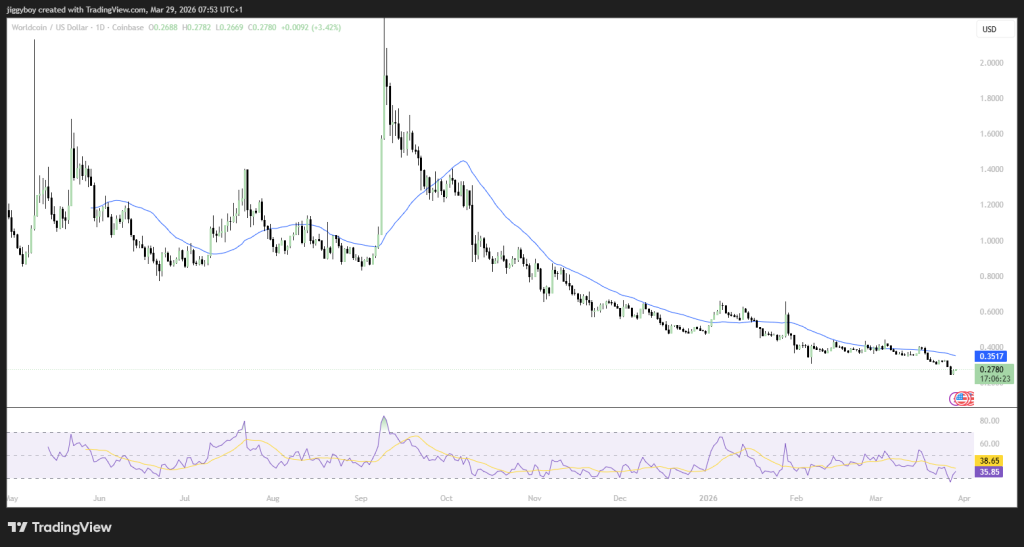
Crypto Price Prediction for Today, March 29: Worldcoin (WLD), XRP, Pi Coin
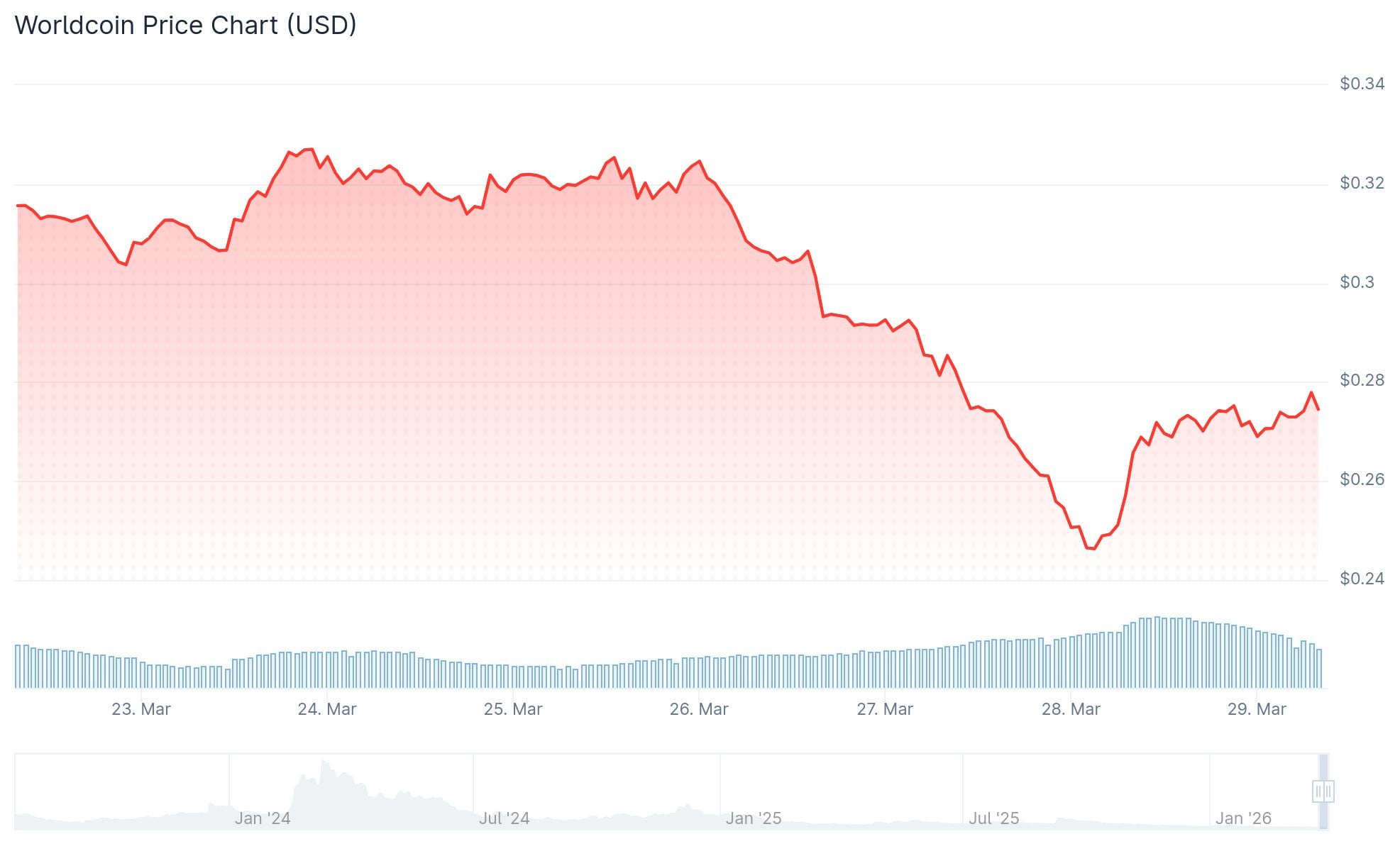
Worldcoin (WLD) Price: World Foundation Sells $65M in Tokens as WLD Hits All-Time Low


