

Revolutionary: Abu Dhabi’s ADNOC Embraces Stablecoin Payments Across 3 Nations
BitcoinWorld
Revolutionary: Abu Dhabi’s ADNOC Embraces Stablecoin Payments Across 3 Nations
Imagine fueling your car or grabbing snacks at a convenience store using digital currency. This vision is now a reality in the Middle East. In a groundbreaking move, the Abu Dhabi National Oil Company (ADNOC) Distribution has announced it will accept stablecoin payments at hundreds of its service stations. This decision marks a significant leap for cryptocurrency adoption by a major state-owned enterprise.
What Does ADNOC’s Stablecoin Payment System Involve?
ADNOC Distribution, a subsidiary of the Abu Dhabi state oil giant, will now support payments using the AE Coin stablecoin. This initiative covers a vast network of 980 locations. These include gas stations, convenience stores, and car washes across three countries: the United Arab Emirates (UAE), Saudi Arabia, and Egypt. The move, first reported by CoinDesk, signals a strategic push into digital finance.
The chosen currency, AE Coin, holds a unique distinction. It is the first dirham-pegged stablecoin to receive formal approval from the Central Bank of the UAE. This regulatory backing provides a layer of trust and stability often sought by both businesses and consumers in the crypto space.
Why Is This Adoption of Stablecoin Payments a Big Deal?
The integration of stablecoin payments by a corporation of ADNOC’s stature is not a minor experiment. It is a powerful endorsement of blockchain-based financial systems. For customers, the benefits are tangible:
- Faster Transactions: Payments can be settled almost instantly, reducing wait times.
- Enhanced Security: Blockchain technology offers transparent and secure transaction records.
- Cross-Border Ease: Travelers between the UAE, Saudi Arabia, and Egypt could find paying for services more seamless.
- Financial Innovation: It encourages the public to interact with regulated digital assets.
For the region, this step positions the UAE and its partners at the forefront of financial technology. It aligns with national strategies to diversify economies and build smart, cashless societies.
What Challenges Might This New System Face?
Despite the excitement, the path forward includes hurdles that need navigation. Consumer adoption is the primary challenge. People must be educated on how to acquire, store, and use AE Coin securely. Furthermore, the technical infrastructure at all 980 points of sale must operate flawlessly to ensure a smooth user experience.
Market volatility is less of a concern with a dirham-pegged stablecoin, but regulatory landscapes can shift. Consistent support from central banks in all three nations will be crucial for long-term success. However, ADNOC’s pilot serves as a critical test case for other large corporations in the energy and retail sectors.
What Does the Future Hold for Crypto in Everyday Commerce?
ADNOC’s move is a clear signal. Cryptocurrency, particularly stablecoin payments, is transitioning from a speculative asset to a practical utility. This initiative could trigger a domino effect. Other major retailers and service providers in the region may soon explore similar integrations to stay competitive.
The success of this program will be closely watched globally. It provides a real-world blueprint for how traditional businesses can leverage blockchain for efficiency and customer engagement. The focus on a regulated, fiat-backed stablecoin also addresses common concerns about volatility and legality.
In conclusion, ADNOC Distribution’s embrace of AE Coin is more than a corporate payment update. It is a visionary step that bridges the gap between traditional oil wealth and the digital economy. By enabling stablecoin payments across three nations, it sets a new standard for institutional cryptocurrency adoption. This move not only simplifies transactions for millions but also solidifies the Middle East’s role as an emerging hub for fintech innovation.
Frequently Asked Questions (FAQs)
Q1: What is AE Coin?
A1: AE Coin is a digital stablecoin. Its value is pegged 1:1 to the UAE Dirham (AED). It is the first dirham-pegged stablecoin approved by the Central Bank of the UAE.
Q2: Where can I use AE Coin for payments?
A2: You can now use AE Coin at 980 ADNOC Distribution service stations, convenience stores, and car washes across the United Arab Emirates, Saudi Arabia, and Egypt.
Q3: Why use a stablecoin instead of regular money?
A3: Stablecoin payments can offer faster transaction speeds, enhanced security through blockchain, and easier cross-border payments without traditional currency exchange hassles.
Q4: Is paying with AE Coin safe?
A4: The transaction uses blockchain technology, which is inherently secure. Furthermore, AE Coin has regulatory approval from the UAE Central Bank, adding a layer of institutional trust.
Q5: Will this make prices cheaper at ADNOC?
A5: The primary benefit is convenience and technological innovation. While prices are set by ADNOC, using digital payments could streamline their operations, potentially leading to benefits for customers.
Q6: Could other companies follow ADNOC’s example?
A6: Absolutely. ADNOC’s large-scale adoption is a major pilot. Its success will likely encourage other retailers and service companies in the region and globally to explore stablecoin payment systems.
Found this insight into the future of payments fascinating? Help others discover this financial revolution by sharing this article on your social media channels!
To learn more about the latest trends in cryptocurrency adoption, explore our article on key developments shaping institutional adoption and real-world use cases.
This post Revolutionary: Abu Dhabi’s ADNOC Embraces Stablecoin Payments Across 3 Nations first appeared on BitcoinWorld.


You May Also Like
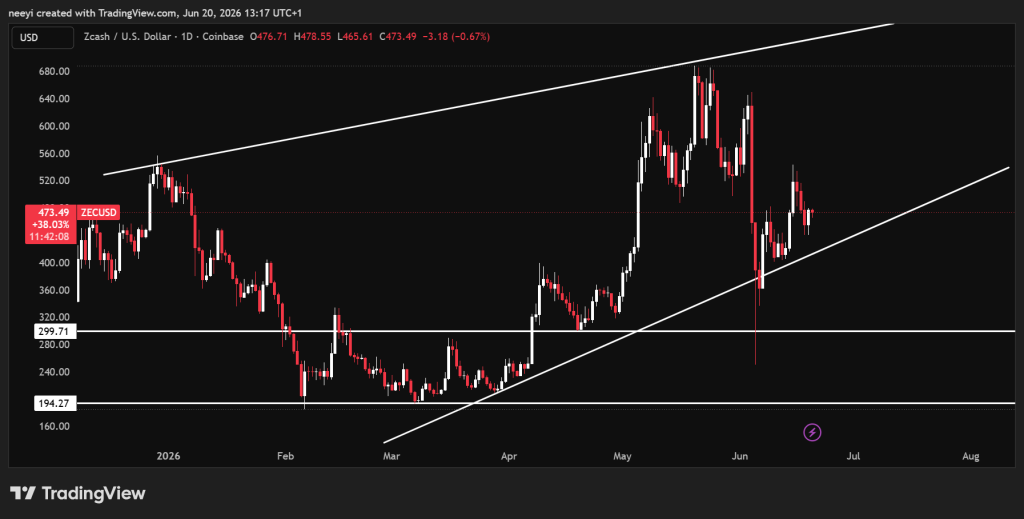
Zcash (ZEC) Price Outlook: Why a New Cycle High Is Possible Very Soon

Crypto Market Update - 20 June 2026: Institutions File While ETF Outflows Mount

Michael Saylor fires back as STRC crash sparks fraud claims



