

Shocking Allegation: Are Aave CoW Swap Fees Being Diverted from the DAO?
BitcoinWorld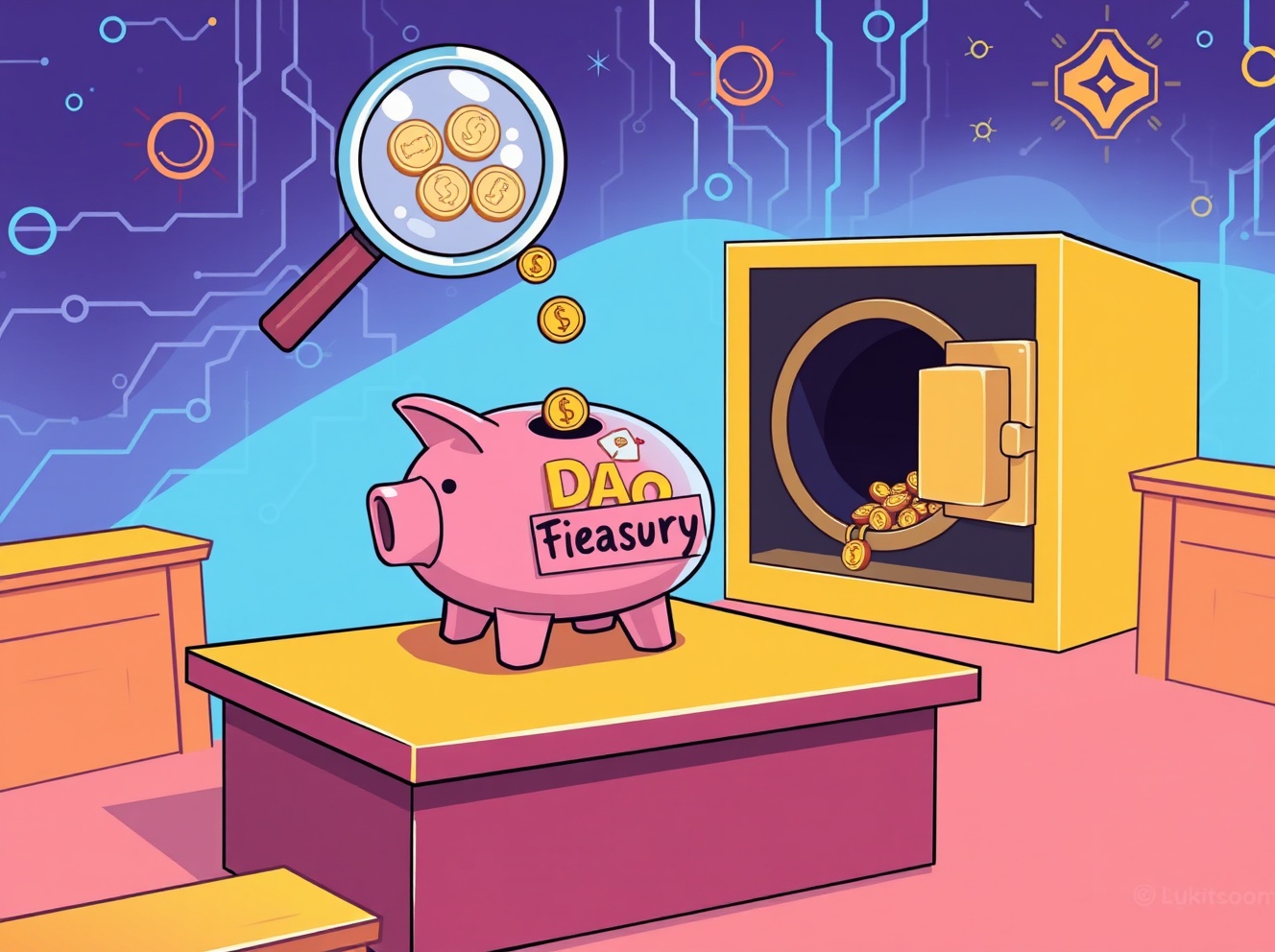
Shocking Allegation: Are Aave CoW Swap Fees Being Diverted from the DAO?
A storm is brewing in the Aave ecosystem. A key community delegate has raised a serious question that strikes at the heart of decentralized governance: are the Aave CoW Swap fees from the protocol’s new interface being sent to the right place? This allegation suggests a potential secret diversion of funds, putting transparency and trust on trial.
What’s the Core Issue with Aave CoW Swap Fees?
An Aave Orbit delegate has publicly questioned the flow of transaction fees. The concern is whether swap fees generated through Aave’s newly integrated CoW Swap-based interface are being sent directly to the Aave DAO treasury. Alternatively, the delegate alleges they might be going to a separate address controlled by Aave Labs. This discrepancy, if true, could represent a significant financial leak. The claim estimates that approximately 10% of the Aave DAO’s potential revenue from this service is not reaching its intended destination.
Why Does This Fee Flow Matter for Aave?
In decentralized finance (DeFi), protocol-owned revenue is crucial. It funds development, security audits, grants, and other initiatives voted on by token holders. Therefore, the proper collection and distribution of Aave CoW Swap fees are not just accounting details. They are fundamental to the DAO’s autonomy and sustainability. Any misdirection undermines the “community-owned” principle that Aave and similar protocols are built upon.
The integration with CoW Swap was meant to improve user experience and capture more value within the Aave ecosystem. However, this controversy highlights a critical challenge: ensuring complex technical integrations translate into clear and correct financial outcomes for the collective.
What Are the Immediate Questions for the Aave Community?
This situation forces several urgent questions to the forefront of Aave governance:
- Transparency: Can Aave Labs provide a clear, on-chain audit trail for all fees generated by the CoW Swap integration?
- Governance Oversight: Was the fee collection mechanism fully disclosed and approved by the DAO before implementation?
- Financial Impact: What is the exact monetary value of the allegedly diverted Aave CoW Swap fees, and how can it be recovered?
- Precedent: Does this affect other revenue streams or integrations within the Aave ecosystem?
How Should the Aave DAO Respond to These Allegations?
A robust response is necessary to maintain trust. First, the DAO should demand a formal, verifiable explanation from Aave Labs regarding the fee routing. This likely requires a dedicated governance proposal. Second, community delegates and developers could initiate an independent analysis of the relevant smart contracts and transaction histories. Finally, the DAO must establish clearer standards for how future revenue-generating features are implemented and monitored.
This is not just about recovering lost funds. It is about reinforcing the systems that prevent such issues from happening again. The handling of Aave CoW Swap fees will set a powerful precedent for accountability in one of DeFi’s largest communities.
Conclusion: A Critical Test for Decentralized Governance
The allegations surrounding Aave CoW Swap fees represent more than a financial discrepancy. They are a litmus test for the maturity of decentralized governance. Can a leading DAO like Aave effectively investigate its core developer, demand transparency, and enforce accountability? The outcome will resonate across the entire DeFi landscape, proving whether these communities can self-correct and uphold their founding principles when challenged.
Frequently Asked Questions (FAQs)
Q1: What are Aave CoW Swap fees?
A1: These are transaction fees generated when users swap tokens through the CoW Swap interface integrated into the Aave platform. They are a potential source of revenue for the Aave DAO.
Q2: Who made the allegation about fee diversion?
A2: The allegation was raised by an Aave Orbit delegate, a community member entrusted with voting power in Aave’s governance system.
Q3: What is Aave Labs’ role in this?
A3: Aave Labs is the primary development company behind the Aave protocol. The delegate’s question is whether Aave Labs is correctly routing the fees to the decentralized DAO treasury or to an address it controls.
Q4: How much revenue is potentially affected?
A4: The delegate’s estimate suggests approximately 10% of the Aave DAO’s potential revenue from this service stream may not be reaching the treasury.
Q5: What can AAVE token holders do?
A5: Token holders can discuss the issue on governance forums, support proposals demanding transparency, and vote on any formal actions to investigate or rectify the situation.
Q6: Why is this important for all DeFi users?
A6: It highlights the ongoing challenge of ensuring true decentralization. It tests whether developer teams are accountable to their communities, especially regarding protocol revenue and treasury management.
Join the Conversation
Governance only works with an informed and active community. Did this breakdown of the Aave CoW Swap fees controversy help you understand the stakes? Share this article on your social media to spread awareness and encourage more Aave community members to participate in this critical discussion. Transparency in DeFi benefits everyone.
To learn more about the latest DeFi governance trends, explore our article on key developments shaping DAO accountability and protocol-owned revenue models.
This post Shocking Allegation: Are Aave CoW Swap Fees Being Diverted from the DAO? first appeared on BitcoinWorld.
You May Also Like

DBS Bank, Franklin Templeton, Ripple partner on tokenization

Teens Cross 600 Miles To Rob Couple Of $66M In Crypto


