Hong Kong’s Bold 10-Year Plan to Dominate RWA Tokenization and Digital Finance
BitcoinWorld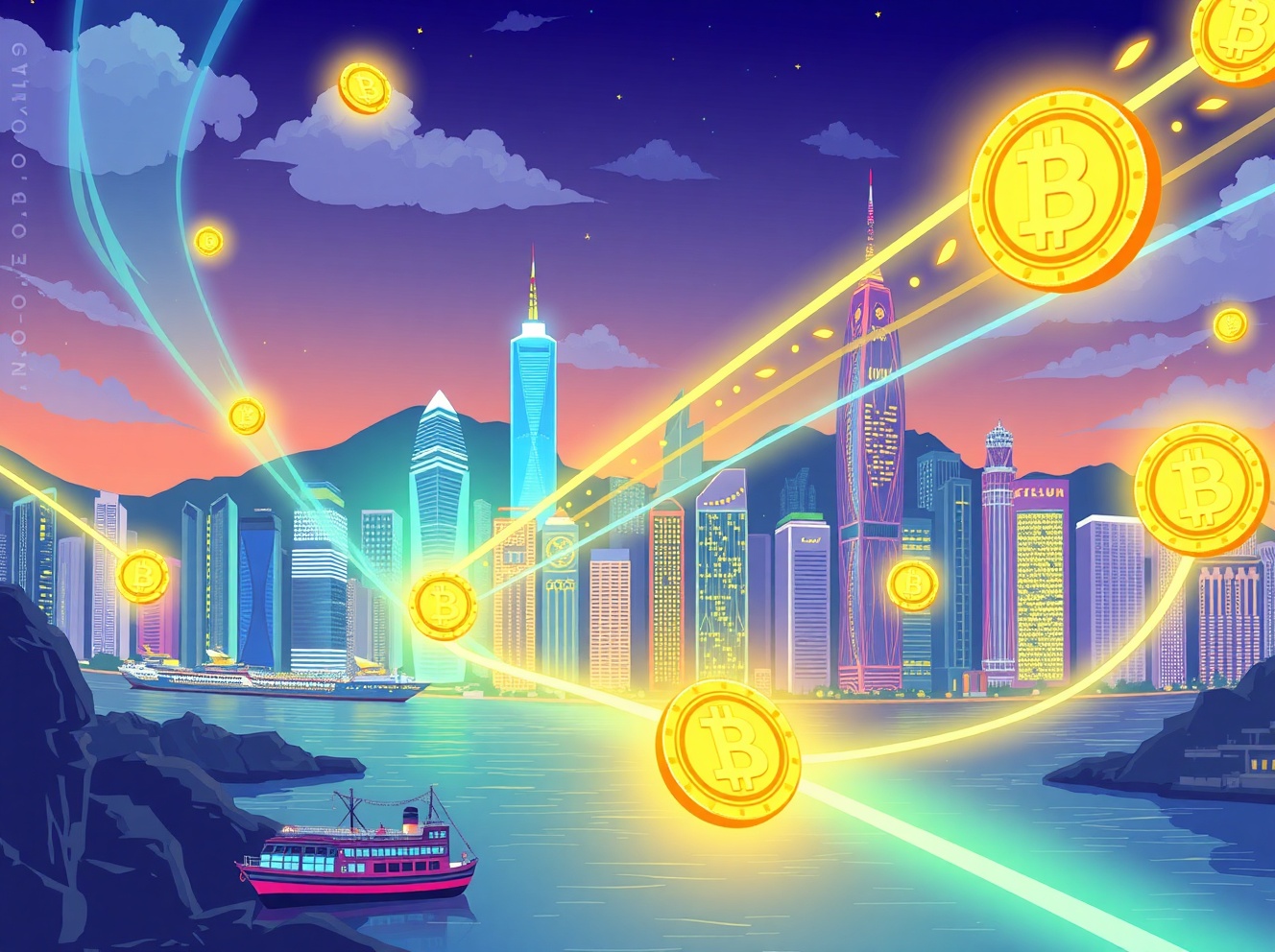
Hong Kong’s Bold 10-Year Plan to Dominate RWA Tokenization and Digital Finance
Hong Kong is making a decisive move to cement its status as a global financial hub. The city’s Financial Services Development Council (FSDC) has just unveiled an ambitious 10-year roadmap with a clear goal: to become a dominant force in RWA tokenization and digital finance. This strategic pivot could redefine how the world invests in and trades everything from real estate to bonds.
What is Hong Kong’s RWA Tokenization Strategy?
The FSDC’s report, “Hong Kong Capital Market Leadership Strategy,” outlines a phased approach. The immediate focus is on developing tangible RWA tokenization products within the next two to five years. However, the vision extends far beyond that. The long-term objective is a complete overhaul of the financial system’s backbone for tokenized issuance and trading.
This means building the necessary digital infrastructure from the ground up. The plan includes creating robust tokenization platforms, deploying secure smart contracts, and establishing real-time settlement systems. Therefore, Hong Kong isn’t just dipping its toes in the water; it’s preparing to dive deep into the future of finance.
Why is RWA Tokenization a Game-Changer?
Tokenizing real-world assets involves converting physical or traditional financial assets into digital tokens on a blockchain. This process unlocks significant benefits that address long-standing market inefficiencies.
- Enhanced Liquidity: It can transform traditionally illiquid assets, like real estate or fine art, into fractional, easily tradable units.
- Increased Accessibility: Smaller investors can gain exposure to high-value asset classes that were previously out of reach.
- Improved Transparency and Security: Blockchain provides an immutable record of ownership and transaction history.
- Operational Efficiency: Smart contracts can automate complex processes like dividend payments and compliance, reducing costs and time.
By championing RWA tokenization, Hong Kong aims to solve these core challenges and attract new capital and innovation.
What Are the Key Challenges Ahead?
Despite the exciting potential, the path forward is not without hurdles. Successfully implementing this decade-long vision requires navigating a complex landscape.
First, a clear and supportive regulatory framework is paramount. Authorities must balance innovation with investor protection and financial stability. Second, achieving widespread adoption depends on building trust among traditional financial institutions and the public. Furthermore, the technological infrastructure must be scalable, secure, and interoperable with global systems.
Hong Kong’s strategy appears to acknowledge these challenges by emphasizing a structured, infrastructure-first approach over a rushed product launch.
How Will This Shape the Future of Finance in Hong Kong?
This initiative is more than a technological upgrade; it’s a strategic repositioning. By investing heavily in its digital financial infrastructure, Hong Kong is sending a powerful signal to the world. The city intends to be the preferred gateway for digital asset innovation, especially for the vast Chinese market and the broader Asia-Pacific region.
The development of platforms for RWA tokenization could create entirely new markets and financial products. Moreover, it positions Hong Kong to set global standards and best practices in this emerging field. This forward-thinking plan could be the key to maintaining its competitive edge against other financial centers like Singapore and Dubai.
Conclusion: A Decisive Step into a Tokenized Future
Hong Kong’s 10-year plan is a bold declaration of intent. It moves beyond speculative crypto assets to focus on the substantive digitization of the global economy’s bedrock—real-world assets. While execution over the next decade will be critical, the strategy provides a clear and compelling vision. If successful, Hong Kong will not only future-proof its financial sector but could also lead the world into a new era of efficient, accessible, and transparent capital markets powered by RWA tokenization.
Frequently Asked Questions (FAQs)
What does RWA tokenization mean?
RWA tokenization is the process of converting rights to a real-world asset (like property, bonds, or commodities) into a digital token on a blockchain. This digital representation can then be traded or held, similar to a digital stock certificate.
What is the FSDC in Hong Kong?
The Financial Services Development Council (FSDC) is a high-level, cross-sectoral advisory body established by the Hong Kong government. Its mission is to propose strategies to promote the further development of Hong Kong’s financial services industry.
How soon will we see RWA products from Hong Kong?
According to the FSDC report, the goal is to develop the first wave of RWA-related products within the next two to five years, with a longer-term vision for full market infrastructure.
What kind of assets could be tokenized first?
Likely candidates include government and corporate bonds, real estate investment trusts (REITs), and funds. These have clearer regulatory paths and established markets, making them ideal pilot projects.
Is this good for the average investor?
Potentially, yes. By fractionalizing expensive assets, RWA tokenization could allow smaller investors to diversify their portfolios into asset classes that were previously inaccessible due to high minimum investment requirements.
What are the main risks?
Key risks include regulatory uncertainty, technological vulnerabilities in new platforms, potential for market manipulation in less liquid tokenized assets, and the challenge of ensuring legal enforceability of digital token ownership.
Found this deep dive into Hong Kong’s financial future insightful? Help others stay informed by sharing this article on your social media channels. The conversation about the future of money is just beginning!
To learn more about the latest digital finance trends, explore our article on key developments shaping the global adoption of blockchain technology in traditional markets.
This post Hong Kong’s Bold 10-Year Plan to Dominate RWA Tokenization and Digital Finance first appeared on BitcoinWorld.
You May Also Like
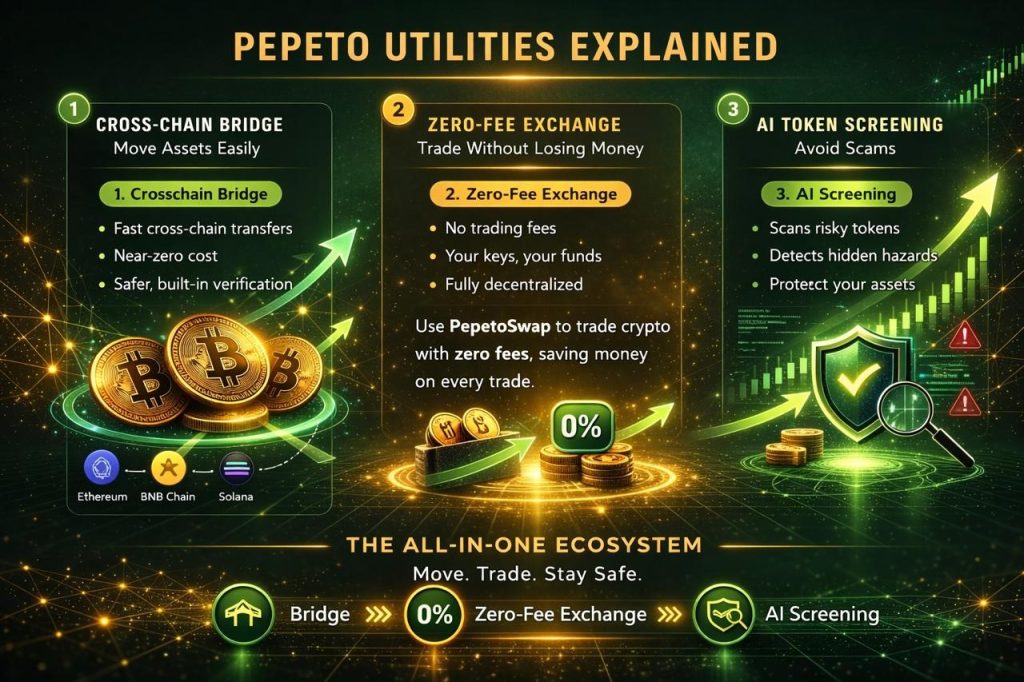
Next Crypto to Explode as Citigroup Cuts BTC to $112K: Pepeto Crosses $8M While HYPE and ZEC Drop
How Fraud Recovery Experts Handle Complex Crypto and Wire Fraud Cases