

TRM Labs Predicts Stablecoin Surge in Venezuela
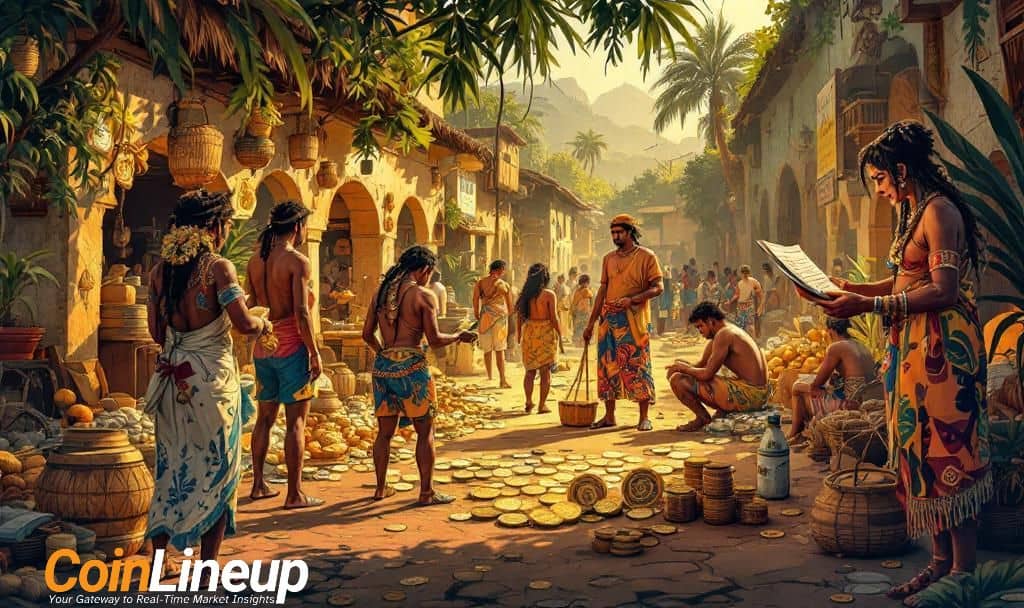
- TRM Labs forecasts stablecoin use increase due to economic volatility.
- Venezuela’s ranking highlights its cryptocurrency reliance.
- Stablecoins surpass $4 trillion globally in 2025 volume.
Stablecoin usage in Venezuela is set to grow due to currency depreciation and economic instability, reports TRM Labs. USDT and other dollar-pegged stablecoins serve as retail banking substitutes amid macroeconomic uncertainty and declining trust in local banks.
Summarizing Venezuela’s ongoing economic challenges, TRM Labs’ latest report projects increased stablecoin usage due to the depreciating bolivar and economic instability.
Increased stablecoin usage in Venezuela highlights reliance on alternative currencies amid economic strain and regulatory uncertainty.
TRM Labs’ 2025 Crypto Adoption and Stablecoin Usage Report indicates substantial growth in stablecoins like USDT due to Venezuela’s currency issues. The report cites macroeconomic instability and depreciation of the bolivar as key drivers. TRM Labs underscores that Venezuela ranks 18th globally in cryptocurrency adoption. This reliance is fueled by declining trust in the bolivar and local banks.
Stablecoins have become essential for peer-to-peer transactions and daily commerce. Amid economic turmoil, Venezuelans increasingly use these assets for remittances, payroll, and more, bypassing traditional banking.
The burgeoning reliance indicates growing acceptance of decentralized finance. As platforms integrate mobile wallets and conversions, stablecoin transactions are transforming financial activities.
Venezuela’s embedding of stablecoins into its economy emphasizes their role amidst instability. These shifts reflect broader trends, with global stablecoin transactions reaching new highs.
The adaptation of stablecoins highlights Venezuela’s response to fiscal challenges, with TRM Labs noting continued emphasis on cryptocurrency amidst regulatory hesitance from SUNACRIP. As stablecoins rise, their potential alignment with governmental narratives remains uncertain.


You May Also Like
GOP lawmakers want nothing to do with Trump's ballroom chaos: report

Not a loophole: Singapore AI export controls let China tap US AI legally

LIST: Bayanihan initiatives amid soaring oil prices


Trending News
More24/7 Live News
MoreQuick Reads
More
