

Explosive Clash: South Korea’s Ruling Party Rejects Central Bank’s Won Stablecoin Plan
BitcoinWorld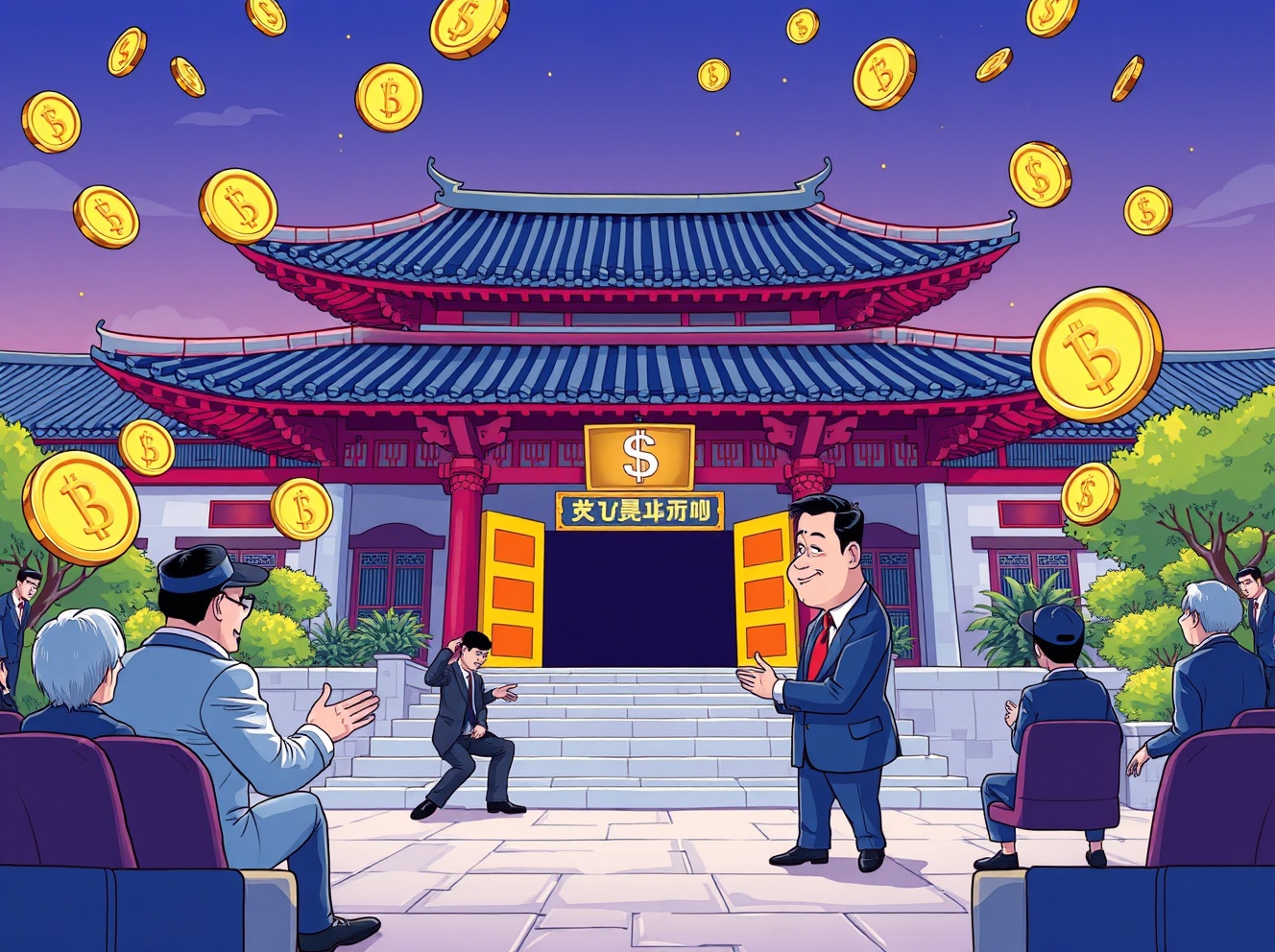
Explosive Clash: South Korea’s Ruling Party Rejects Central Bank’s Won Stablecoin Plan
South Korea’s cryptocurrency landscape faces a dramatic political showdown. The ruling Democratic Party prepares to block the Bank of Korea’s controversial proposals for a national won stablecoin. This confrontation could reshape how digital assets operate in one of Asia’s most active crypto markets.
Why Is South Korea’s Won Stablecoin Plan Sparking Conflict?
According to reports from Yonhap Infomax, the Democratic Party’s Digital Asset Task Force will reject two key central bank demands. First, they oppose limiting won stablecoin issuance to bank-led consortiums where banks maintain over 51% control. Second, they plan to discard the proposal for a policy council requiring unanimous decisions.
This legislation represents the second phase of South Korea’s Digital Asset Basic Act. The central bank’s approach emphasizes strict control, while the ruling party favors more open market participation. This fundamental disagreement creates uncertainty for investors and blockchain companies awaiting clear regulatory frameworks.
What Are the Core Issues in the Stablecoin Debate?
The conflict centers on who controls digital currency issuance and governance. The Bank of Korea prefers traditional financial institutions leading the won stablecoin ecosystem. However, the ruling party’s task force believes this approach stifles innovation and competition.
Key points of contention include:
- Issuance Control: Should only bank-dominated consortiums create won-pegged stablecoins?
- Governance Power: Should a policy council have veto authority through unanimous voting?
- Market Access: How can South Korea balance financial stability with technological innovation?
This debate matters because South Korea represents a major cryptocurrency market. Their regulatory decisions often influence other Asian economies considering similar digital currency frameworks.
How Will This Impact South Korea’s Crypto Future?
The political resistance suggests South Korea may adopt a more progressive stance than initially expected. Rather than replicating traditional banking structures for the won stablecoin, the country might embrace broader participation from fintech companies and blockchain startups.
This development comes as global stablecoin regulation evolves rapidly. Other nations watch how South Korea navigates this complex balance between innovation and control. The outcome could either accelerate or hinder the country’s position in the digital economy race.
For cryptocurrency enthusiasts, this political clash demonstrates how democratic processes shape technological adoption. The ruling party’s intervention shows that multiple stakeholders influence won stablecoin development, not just financial authorities.
What Can We Learn From This Regulatory Standoff?
South Korea’s experience offers valuable insights for other countries developing digital currency policies. The tension between centralized control and decentralized innovation appears universal. However, each nation must find its own balance based on local economic conditions and political dynamics.
The won stablecoin debate highlights several important considerations:
- Traditional financial institutions often seek to maintain dominance in new digital systems
- Political parties increasingly recognize cryptocurrency’s economic importance
- Regulatory frameworks require compromise between stability and innovation
As the Digital Asset Basic Act progresses, stakeholders should monitor how this conflict resolves. The final legislation will signal whether South Korea prioritizes financial conservatism or technological advancement in its won stablecoin approach.
Conclusion: A Pivotal Moment for Digital Currency Regulation
South Korea stands at a cryptocurrency crossroads. The ruling party’s opposition to the central bank’s won stablecoin plan represents more than bureaucratic disagreement—it reflects fundamental questions about money, power, and innovation in the digital age. This political clash will determine whether South Korea’s digital currency future remains anchored in traditional banking or embraces broader technological possibilities.
Frequently Asked Questions
What is a won stablecoin?
A won stablecoin is a cryptocurrency pegged to the value of South Korea’s national currency. It combines blockchain technology with price stability for everyday transactions and digital asset trading.
Why does the Bank of Korea want bank-led consortiums?
The central bank believes traditional financial institutions ensure greater stability and regulatory compliance. They worry that less regulated entities might create systemic risks in the financial system.
What alternatives might the ruling party propose?
While specific alternatives aren’t detailed in reports, the task force likely favors allowing fintech companies, blockchain platforms, and possibly non-bank financial institutions to participate in stablecoin issuance under appropriate regulations.
How will this affect cryptocurrency trading in South Korea?
The regulatory uncertainty might cause temporary hesitation among investors and exchanges. However, clearer regulations—even if delayed—typically benefit markets long-term by reducing legal ambiguity.
When will the Digital Asset Basic Act be finalized?
The legislation process continues with no confirmed timeline. Political negotiations between the ruling party, opposition, and government agencies will determine the final version and implementation schedule.
Could this conflict delay South Korea’s digital currency development?
Yes, political disagreements often slow legislative processes. However, thorough debate might produce better-balanced regulations that serve both stability and innovation goals.
Found this analysis helpful? Share this article with others interested in cryptocurrency regulation and South Korea’s evolving digital economy. Your shares help spread valuable information about important won stablecoin developments.
To learn more about the latest cryptocurrency regulatory trends, explore our article on key developments shaping global stablecoin policies and institutional adoption.
This post Explosive Clash: South Korea’s Ruling Party Rejects Central Bank’s Won Stablecoin Plan first appeared on BitcoinWorld.
You May Also Like

Polymarket UFC Blunder: Another Prediction Market Exploit?

What Is Brain-Computer Interface and How Does It Work?


