StraitX Stablecoins Launch: Singapore and US Dollar Tokens Arrive on Solana
BitcoinWorld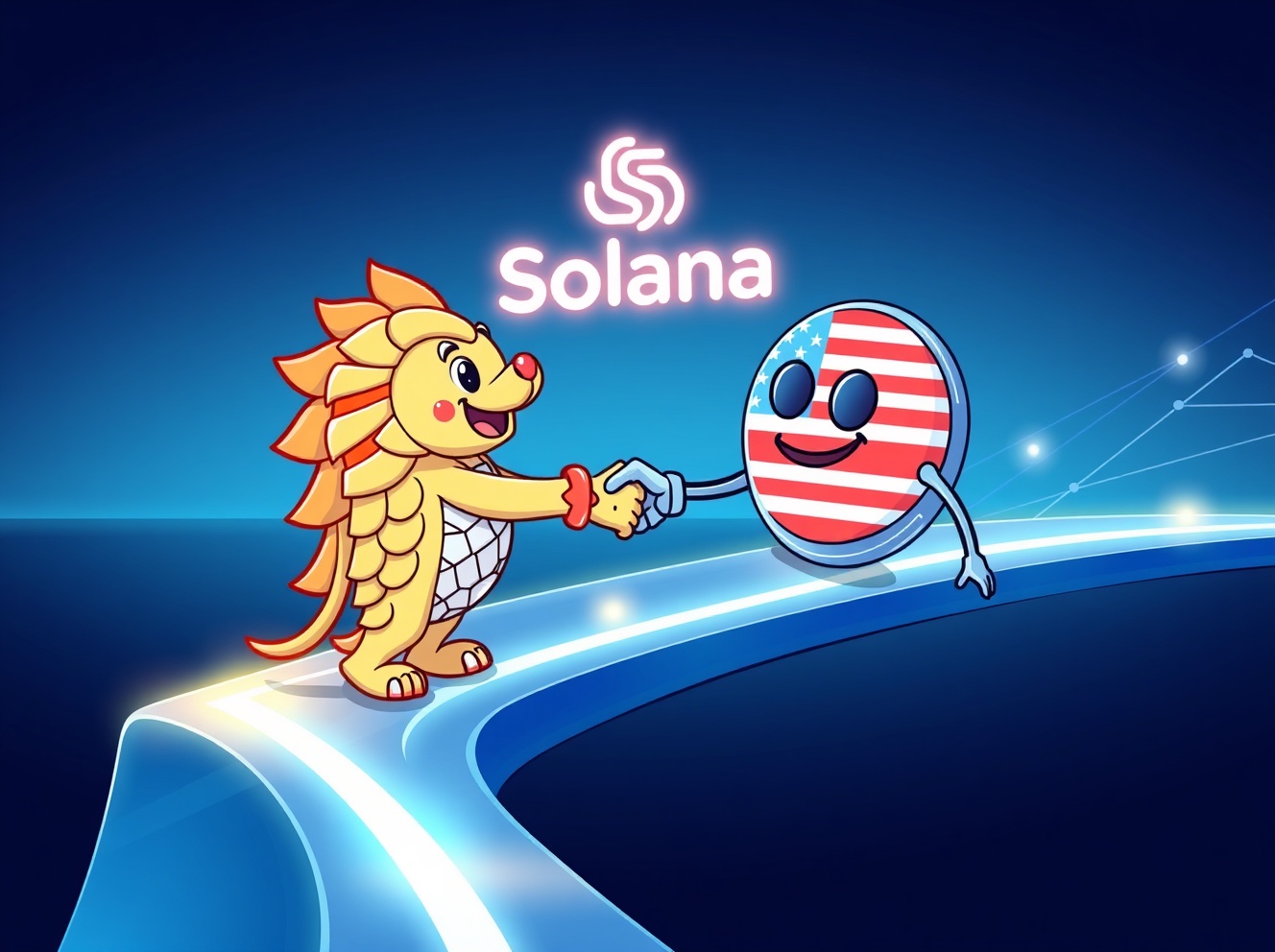
StraitX Stablecoins Launch: Singapore and US Dollar Tokens Arrive on Solana
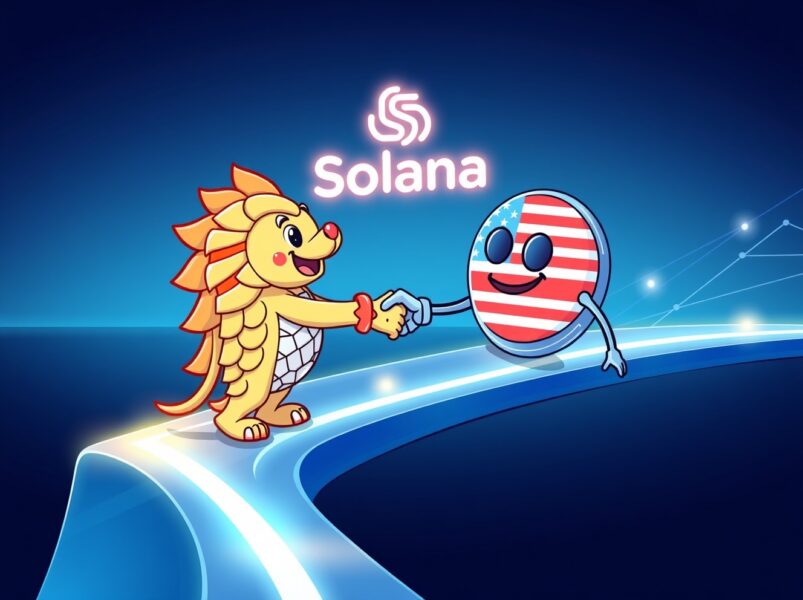
Get ready for a major boost in Asia-Pacific crypto payments. StraitX, a Singaporean payments infrastructure leader, has announced a powerful move: launching two new stablecoins directly on the Solana blockchain. This strategic launch introduces XSGD, pegged to the Singapore dollar, and XUSD, pegged to the US dollar, aiming to leverage Solana’s renowned speed for seamless transactions.
Why Are StraitX Stablecoins on Solana a Game-Changer?
The decision to build on Solana is no accident. For payments, speed and cost are everything. Solana’s blockchain is famous for its high throughput and low transaction fees, making it an ideal foundation for stablecoins designed for daily use. By choosing Solana, StraitX positions its new StraitX stablecoins to be among the fastest and most economical digital dollars available.
This move directly challenges existing stablecoin networks. It offers users and businesses a compelling alternative, especially for cross-border transfers and real-time settlements where every second and cent counts.
What Are XSGD and XUSD Stablecoins?
Let’s break down the two new assets. XSGD represents a digital Singapore dollar, each token backed 1:1 by reserves of the national currency. Similarly, XUSD is a digital US dollar token with the same full backing. Their launch on Solana means they inherit the network’s capabilities.
More importantly, both will utilize the new x402 payment standard on Solana. Think of x402 as a set of enhanced rules that make transactions more reliable and feature-rich for developers building payment apps. This technical edge could drive wider adoption.
- XSGD: Targets the robust Singapore economy and its role as a global financial hub.
- XUSD: Provides a fast, digital entry point to the world’s primary reserve currency.
- Common Goal: To bridge traditional finance and decentralized applications with compliant, efficient tools.
How Will StraitX Impact the Stablecoin Landscape?
The entry of a regulated, Singapore-based firm like StraitX brings significant credibility. It signals growing institutional comfort with public blockchains like Solana for serious financial infrastructure. This isn’t just a tech experiment; it’s a calculated step toward mainstream digital asset adoption.
For users in Southeast Asia and beyond, the benefits are tangible. Imagine sending Singapore dollars to another country in seconds for less than a cent. Or, a US-based freelancer receiving payments instantly in XUSD without traditional banking delays. These StraitX stablecoins are built to make these scenarios a daily reality.
What Challenges Lie Ahead for This Launch?
Despite the promise, the path isn’t without hurdles. The stablecoin market, especially for USD, is fiercely competitive. Gaining liquidity and trust will be crucial for XSGD and XUSD. Furthermore, regulatory clarity continues to evolve in both the US and Singapore, which could influence growth.
However, StraitX’s focus on compliance and its use of a high-performance chain like Solana are strong differentiators. Success will depend on forging partnerships with exchanges, wallets, and payment gateways to ensure these tokens are accessible and useful everywhere.
Conclusion: A New Chapter for Digital Dollars
The launch of StraitX’s stablecoins on the Solana blockchain is more than just another crypto announcement. It represents a strategic fusion of regulated finance with cutting-edge blockchain technology. By offering fast, low-cost, and compliant digital versions of the Singapore and US dollars, StraitX is laying groundwork for the next generation of global payments. Watch closely as these tokens begin their journey to potentially reshape how value moves across borders.
Frequently Asked Questions (FAQs)
What are the StraitX stablecoins?
StraitX is launching two stablecoins: XSGD (pegged to the Singapore dollar) and XUSD (pegged to the US dollar) on the Solana blockchain.
Why was Solana chosen for this launch?
Solana was selected for its high transaction speed and very low costs, which are critical for payment-focused stablecoins aiming for mass adoption.
What is the x402 payment standard?
The x402 is a technical standard on Solana designed to make payments more reliable and programmable, giving developers better tools to build with these stablecoins.
Who is behind StraitX?
StraitX is a payments infrastructure firm based in Singapore, operating with a focus on compliance and bridging traditional finance with digital assets.
How can I use XSGD or XUSD?
Once launched, you will be able to hold, send, receive, and use these tokens in supported wallets, exchanges, and decentralized applications (dApps) on the Solana network.
Are these stablecoins regulated?
As a Singapore-based entity, StraitX is expected to adhere to the regulatory frameworks of Singapore, including potential stablecoin regulations under development.
Found this insight into the future of payments helpful? Share this article on your social media to spark a conversation about how stablecoins on Solana are changing the game!
To learn more about the latest trends in blockchain payments, explore our article on key developments shaping stablecoin adoption and institutional integration.
This post StraitX Stablecoins Launch: Singapore and US Dollar Tokens Arrive on Solana first appeared on BitcoinWorld.


You May Also Like
Samsung Electronics Targets Record Q1 Profit as Memory Chip Supercycle Hits Full Stride

One Of Frank Sinatra’s Most Famous Albums Is Back In The Spotlight