

Revolutionary DoorDash Zesty App: AI-Powered Social Discovery Transforms How We Find Restaurants
BitcoinWorld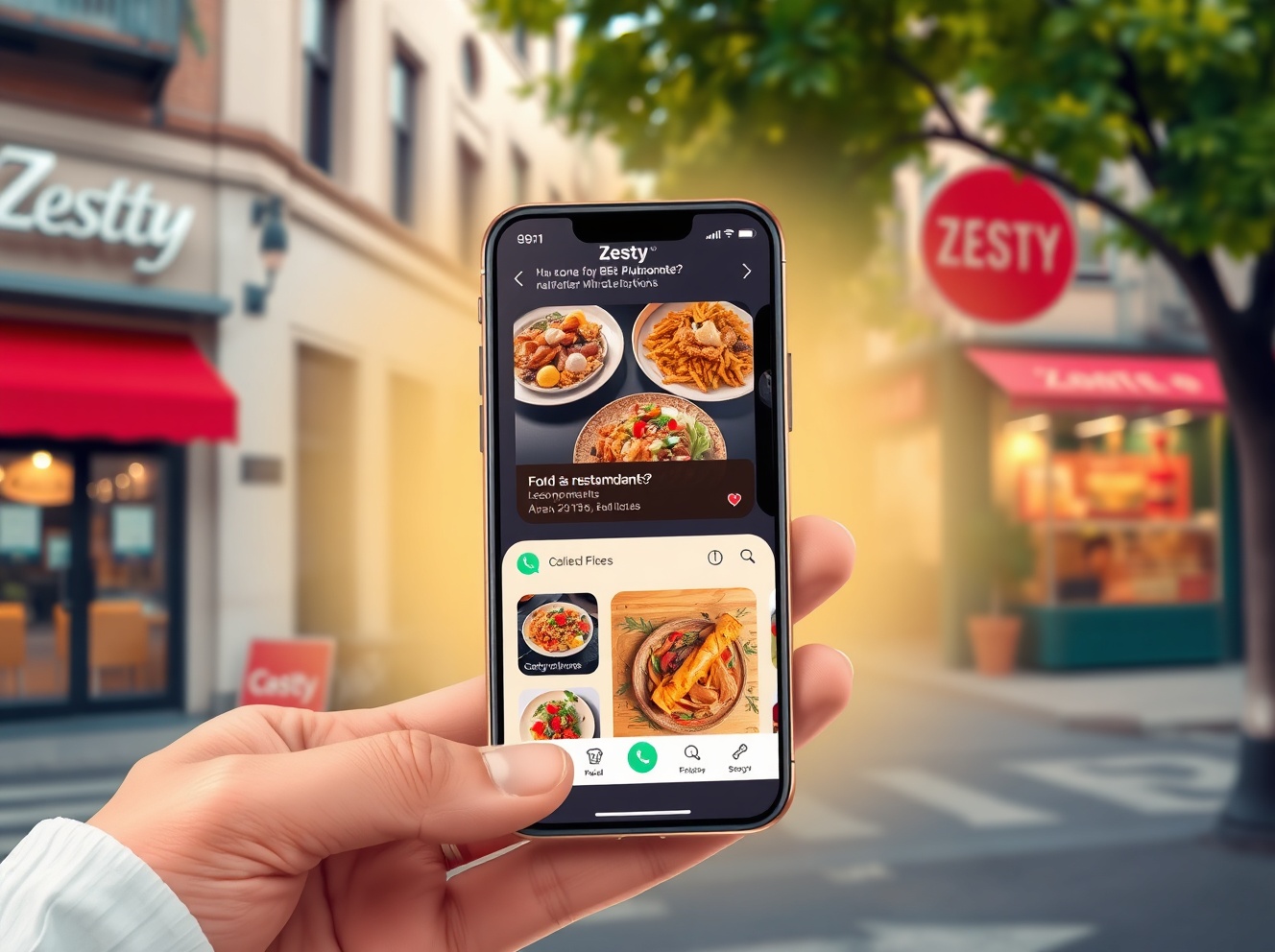
Revolutionary DoorDash Zesty App: AI-Powered Social Discovery Transforms How We Find Restaurants
In a bold move that could reshape how we discover local dining spots, DoorDash has unleashed Zesty – an AI-powered social app designed to transform restaurant discovery. This innovative platform combines artificial intelligence with social networking elements, creating a powerful tool for food enthusiasts and casual diners alike. For cryptocurrency enthusiasts who appreciate technological disruption, Zesty represents another example of how AI is revolutionizing traditional industries.
What is DoorDash Zesty and How Does It Work?
DoorDash Zesty is not just another food app – it’s a comprehensive restaurant discovery platform that leverages artificial intelligence to provide personalized recommendations. Currently available in the San Francisco Bay Area and New York, Zesty marks DoorDash’s strategic expansion beyond food delivery into the social discovery space. The app eliminates the tedious process of reading multiple reviews, browsing different menus, or scrolling through endless TikTok videos when searching for new dining experiences.
Users simply sign in with their existing DoorDash accounts and interact with an AI chatbot that provides tailored suggestions based on specific preferences. The system aggregates information from multiple sources including DoorDash’s own database, Google Maps, TikTok, and other platforms to curate the most relevant recommendations.
The AI Chatbot That Understands Your Dining Preferences
The heart of Zesty’s restaurant discovery capabilities lies in its sophisticated AI chatbot. Unlike traditional search methods, this intelligent system understands nuanced requests and provides highly specific recommendations. Users can type natural language prompts like:
- “A low-key dinner in Williamsburg that’s actually good for introverts”
- “Brunch spots good for groups”
- “Romantic dinner with a vintage feel”
The AI chatbot learns from each interaction, gradually understanding individual tastes and preferences to provide increasingly accurate suggestions over time. This personalized approach to restaurant discovery represents a significant advancement over traditional review platforms.
Social Features That Enhance Restaurant Discovery
Zesty incorporates robust social networking elements that distinguish it from conventional food apps. Users can:
| Feature | Description |
|---|---|
| Content Sharing | Share photos and experiences from restaurants visited |
| Social Following | Follow other users with similar dining preferences |
| Recommendation Saving | Save interesting recommendations for future reference |
| Community Discovery | Discover content from other food enthusiasts |
These social features create a community-driven approach to restaurant discovery, where users can benefit from collective experiences and recommendations.
How Zesty Transforms Food Delivery into Social Discovery
DoorDash’s launch of Zesty represents a strategic pivot from being purely a food delivery service to becoming a comprehensive dining platform. This expansion mirrors trends in the technology sector where companies leverage their existing user bases to enter adjacent markets. The app’s development follows DoorDash’s earlier moves into restaurant reservations and in-store rewards programs, indicating a broader vision for the company’s role in the dining ecosystem.
According to DoorDash co-founder Andy Fang, Zesty “curates the best suggestions from the web” by aggregating information across multiple platforms. This multi-source approach provides users with comprehensive insights that single-platform solutions cannot match.
Challenges and Opportunities in AI-Powered Restaurant Discovery
While Zesty offers innovative features, it faces significant challenges in the competitive restaurant discovery market:
- User Adoption: Convincing users to download another app when they already use Google, ChatGPT, or other discovery tools
- Data Accuracy: Ensuring AI recommendations remain current and accurate as restaurant information changes
- Market Saturation: Competing with established platforms that already have large user bases
- Geographic Limitations: Currently only available in two major metropolitan areas
However, Zesty also presents unique opportunities by combining AI-powered search with social networking features, creating a differentiated offering in the crowded food tech space.
FAQs About DoorDash Zesty
What is DoorDash Zesty?
DoorDash Zesty is an AI-powered social app designed for restaurant discovery, currently available in San Francisco and New York.
How does the AI chatbot work?
Users can type natural language prompts to receive personalized restaurant recommendations based on their specific preferences and location.
What makes Zesty different from other restaurant apps?
Zesty combines AI-powered discovery with social networking features, allowing users to share experiences and follow other food enthusiasts.
Who developed Zesty?
Zesty was developed by DoorDash, founded by Andy Fang, Stanley Tang, and Tony Xu. Andy Fang announced the app’s capabilities in an X (formerly Twitter) post.
What sources does Zesty use for recommendations?
The app aggregates information from DoorDash, Google Maps, TikTok, and other platforms to provide comprehensive suggestions.
Is Zesty available nationwide?
Currently, Zesty is only available in the San Francisco Bay Area and New York City, with potential expansion based on pilot results.
The Future of AI in Dining and Restaurant Discovery
Zesty represents a significant step forward in how artificial intelligence is transforming the dining experience. By combining sophisticated AI algorithms with social networking capabilities, DoorDash has created a platform that could potentially redefine how people discover and share restaurant experiences. The app’s success will depend on its ability to provide genuinely valuable recommendations and foster an engaged community of users.
For the broader technology landscape, Zesty demonstrates how established companies can leverage AI to expand into new markets and create additional value for their user bases. As AI continues to evolve, we can expect more innovative applications that blend artificial intelligence with social experiences across various industries.
To learn more about the latest AI trends and innovations transforming various industries, explore our article on key developments shaping AI applications and market adoption.
This post Revolutionary DoorDash Zesty App: AI-Powered Social Discovery Transforms How We Find Restaurants first appeared on BitcoinWorld.

You May Also Like

WTI plummets below $100 as Trump calls for truce without Hormuz reopening
![[Vantage Point] How Corporate Philippines is quietly war-gaming a supply shock](https://www.rappler.com/tachyon/2026/03/empty-gas-station-quezon-city-march-9-2026-002-scaled.jpg?resize=75%2C75&crop=501px%2C0px%2C1706px%2C1706px)
[Vantage Point] How Corporate Philippines is quietly war-gaming a supply shock


