Examining CBN’s capital market clean-up and the fintech ripple effect
When the Governor of the Central Bank of Nigeria (CBN) addressed banking leaders at the 60th Annual Bankers’ Dinner on November 28, the main topics appeared to be very formal and technical. He spoke on market structure, regulation, and financial stability.
The language used was complex, focusing on a part of the financial world called the over-the-counter (OTC) secondary market and the need for regulators to work together.
Most people probably glazed over the details. However, buried beneath this policy-heavy discussion is a set of quiet, yet important, changes that will profoundly shape Nigeria’s booming fintech world.
Fintech and the engine room of finance
The CBN announced that this OTC secondary market is moving towards a much clearer and stronger regulatory setup. This is happening through new, supporting rules introduced by the Securities and Exchange Commission (SEC) and the National Pension Commission (PENCOM).
This market rarely makes the news, but it is essential. It’s where financial assets like government bonds, fixed-income products, and structured investments are traded after they are first issued. Think of it as the main engine room for many of the savings, investment, and digital banking products you use every day.
For any fintech app you use for investments, savings, or digital banking, this secondary market isn’t an abstract concept; it’s very real. It directly influences how the returns you see (yields) are calculated, how your investment portfolios are put together, and how the platform explains risk to you.
 CBN governor, Olayemi Cardoso
Cleaner pricing and stricter standards for disclosing information reduce confusion about the true value of assets. This is especially vital for platforms that require complex market movements and translate them into a few simple numbers displayed on your mobile screen.
The Governor framed these changes as essential first steps toward deeper investment and more accurate pricing across all of Nigeria’s financial markets. This framing is crucial because fintech companies are increasingly the connection point between everyday users and sophisticated investment instruments.
Many popular platforms don’t handle everything themselves. They rely on licensed, trusted partners such as asset managers, stockbrokers, trustees, and custodians. By making the rules stricter and the processes cleaner in the market where these institutions operate, the CBN is building confidence across the entire financial chain.
Even if your favourite fintech app isn’t directly trading, it benefits from the improved trustworthiness of its partners.
Read also: New game: How CBN’s policies reshaped the Nigerian fintech landscape in 2025
The role of monetary policy
The role of monetary policy was also a major theme in the CBN’s comments. The central bank argued that a more disciplined secondary market would help its policy signals, like changes in interest rates, travel more effectively through the financial system.
This has an extensive impact beyond traditional banks. Ultimately, any change in the official interest rate should affect the returns you get on savings, the yields you earn on investments, and the cost of any digital loans you might take out, all of which are reflected on fintech platforms.
When the pricing mechanisms are messy or hidden, fintech companies often struggle to make the official policy announcements match what their users see on their screens in real time.
Greater clarity in this transmission process helps close these gaps. Fintech platforms are constantly adjusting rates, rebalancing user portfolios, and explaining changes to customers who are already quite careful after years of economic ups and downs.
A system that reflects policy changes more clearly lowers the friction between what the regulator intends and what the user experiences, even if the connection isn’t always obvious.
The CBN also highlighted that these efforts to protect financial stability would help improve how international investors view Nigeria.
This is a powerful point for fintech companies that rely on global connections. Many Nigerian platforms offer products priced in dollars, use foreign banks to hold their assets (custodians), or partner with overseas brokers. Confidence in Nigeria’s core market infrastructure influences how these foreign partners assess their risk, their pricing, and their willingness to commit for the long term.
Stricter rules and disclosure standards in the domestic markets can subtly smooth out these international conversations. Foreign partners often look beyond the success of one startup to the overall health of the financial system.
Signals that regulators are working together and enforcing higher standards can reduce hesitation about having exposure linked to Nigeria, even for fintech companies focused purely on building cool new technology.
Yet, we need more…
Of course, the real challenge is the implementation. The CBN itself admitted that this progress would continue into the new year as market players adapt to the higher standards. This period of transition is important for fintech companies, which will need to adjust their products, partnerships, and compliance procedures as the rules change.
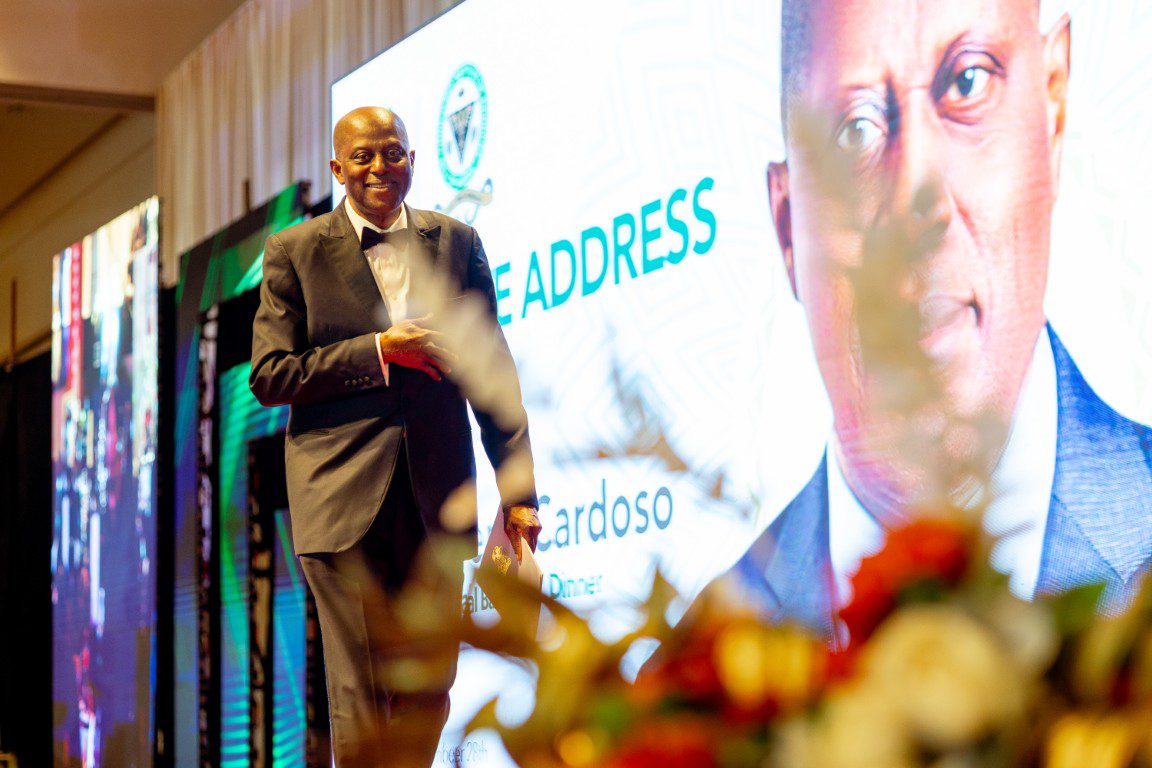 CBN governor, Olayemi Cardoso
Adapting costs time and money, especially for younger businesses. However, in the long run, having a stable and predictable market usually matters more than regulatory flexibility.
The reforms discussed at the bankers’ dinner may not have been specifically designed with fintech companies as the main target audience. The speech was primarily for bankers, investors, and fellow regulators.
Yet, Nigeria’s fintech sector relies entirely on the same market foundations that support the traditional financial world.
Changes to these foundations ripple outward, influencing what fintechs can build, how they explain their offerings, and how much confidence users and partners have in them.
Find the Governor’s speech below:


You May Also Like

$280M drained via social engineering

iM Bank Pilots Korea’s First Blockchain Prepaid Service