

Hardware’s Brutal Collapse: iRobot, Luminar, and Rad Power Bankruptcies Expose Industry Crisis
BitcoinWorld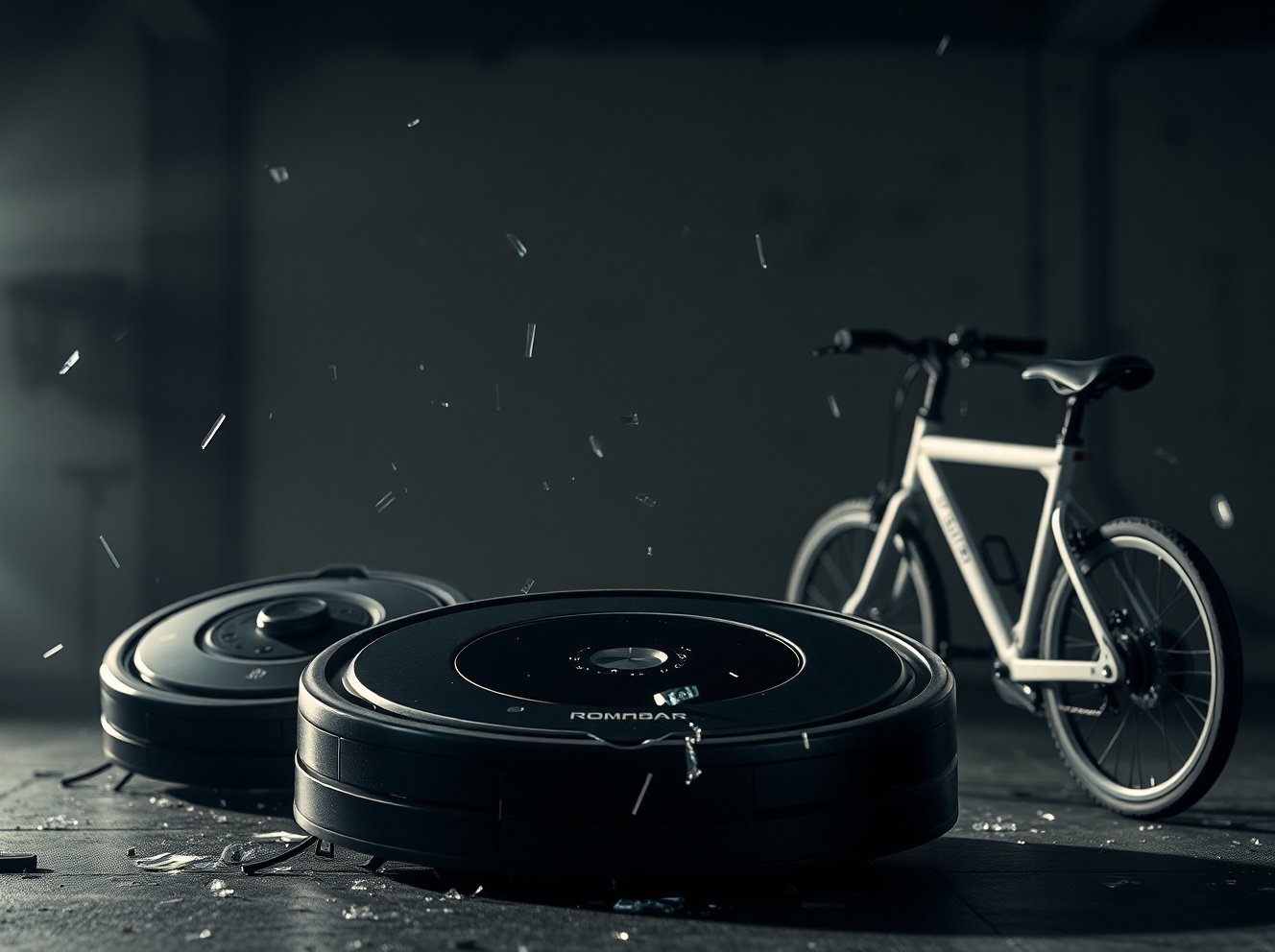
Hardware’s Brutal Collapse: iRobot, Luminar, and Rad Power Bankruptcies Expose Industry Crisis
The hardware world just experienced a devastating week that should send shivers down the spine of every cryptocurrency investor watching the intersection of technology and physical products. In a brutal triple blow, industry giants iRobot, Luminar, and Rad Power Bikes all filed for bankruptcy protection, exposing deep cracks in the hardware startup ecosystem that mirror the volatility we’ve seen in crypto markets. This isn’t just about three companies failing – it’s a warning signal about the fundamental challenges of building physical products in today’s global economy, where supply chain disruptions and trade tensions create perfect storms for hardware ventures.
Why Hardware Startups Are Facing Unprecedented Challenges
The simultaneous collapse of these three prominent hardware companies reveals systemic issues plaguing the industry. Each represents a different sector – home robotics, automotive technology, and electric mobility – yet they all succumbed to similar pressures. For cryptocurrency enthusiasts who understand market dynamics, this hardware crisis demonstrates how global economic factors can devastate even well-established companies, much like regulatory changes can impact crypto projects. The hardware industry’s current struggles highlight why diversification between digital and physical assets remains crucial for investors.
The Bankruptcy Breakdown: Three Hardware Giants Fall
Let’s examine what went wrong with each company and what their failures mean for the broader hardware ecosystem:
| Company | Core Business | Primary Failure Factors | Market Impact |
|---|---|---|---|
| iRobot | Home Robotics (Roomba) | Failed Amazon acquisition, tariff pressures, increased competition | Home automation sector uncertainty |
| Luminar | Lidar Technology | Slow autonomous vehicle adoption, high R&D costs, supply chain issues | Autonomous vehicle timeline concerns |
| Rad Power Bikes | Electric Bicycles | Chinese supply chain dependency, market saturation, regulatory challenges | E-mobility investment caution |
These bankruptcies didn’t happen in isolation. They represent converging trends that are making hardware development increasingly risky:
- Global trade tensions creating unpredictable tariff environments
- Supply chain fragility exposing dependency on overseas manufacturing
- Intense competition from cheaper international alternatives
- Capital intensity requiring sustained investment without guaranteed returns
- Market timing risks where technology readiness doesn’t match consumer adoption
Supply Chain Vulnerabilities Exposed
The Rad Power Bikes case particularly highlights how supply chain dependencies can become fatal weaknesses. Despite being a market leader in electric bicycles, the company couldn’t escape its deep integration with Chinese manufacturing partners. When geopolitical tensions increased and shipping costs soared, their business model collapsed. This supply chain fragility mirrors concerns in cryptocurrency mining hardware, where geographic concentration creates similar vulnerabilities. Hardware companies are learning what crypto miners already know: geographic diversification isn’t just smart – it’s essential for survival.
Global Trade Tensions Crush Hardware Margins
Trade policies have become hardware’s silent killer. iRobot’s struggle intensified after increased tariffs made their manufacturing more expensive, while competitors using different geographic strategies maintained lower costs. The hardware industry faces a perfect storm where political decisions directly impact bottom lines, creating unpredictable operating environments. For crypto investors watching this unfold, it’s a reminder of how regulatory environments can make or break technology sectors, whether they’re building physical robots or digital assets.
What This Means for Hardware Industry Investors
This brutal week offers several crucial lessons for anyone investing in or building hardware companies:
- Diversify manufacturing across multiple regions and countries
- Build financial resilience for extended market downturns
- Develop software moats that complement hardware offerings
- Monitor geopolitical risks as carefully as market risks
- Consider hybrid models combining hardware with recurring revenue streams
The hardware industry isn’t dying, but it is evolving. Companies that survive will be those that adapt to these new realities, much like cryptocurrency projects that navigate regulatory landscapes while maintaining technological innovation.
FAQs: Understanding the Hardware Bankruptcy Crisis
What caused iRobot’s bankruptcy?
iRobot, maker of the Roomba vacuum, faced multiple challenges including a failed acquisition by Amazon, increased tariffs affecting manufacturing costs, and intense competition from cheaper alternatives. The company struggled to maintain profitability as market conditions deteriorated.
Why did Luminar Technologies fail?
Luminar Technologies, a lidar company, invested heavily in autonomous vehicle technology that hasn’t reached expected adoption rates. The slow progress of self-driving cars combined with high research costs created unsustainable financial pressure. You can learn more about their technology on their company website.
What happened to Rad Power Bikes?
Rad Power Bikes, despite being an e-bike market leader, became overly dependent on Chinese supply chains. When geopolitical tensions increased shipping costs and created logistical challenges, their business model collapsed under the pressure.
Are all hardware startups at risk?
Not all hardware startups face immediate risk, but those with similar characteristics – single-source manufacturing, high capital requirements, and dependency on favorable trade policies – should examine their vulnerabilities. The current environment demands more resilient business models.
What can hardware companies learn from these bankruptcies?
Key lessons include diversifying supply chains, building financial buffers for market downturns, developing software-based competitive advantages, and closely monitoring geopolitical risks that could impact operations.
The Future of Hardware Innovation
This brutal week serves as a sobering reality check for the hardware industry. While the failures are dramatic, they don’t signal the end of hardware innovation. Instead, they mark a necessary evolution toward more sustainable business models. Companies that learn from these collapses – by building more resilient supply chains, creating hybrid hardware-software offerings, and developing geographic diversification strategies – will define the next generation of hardware success stories. For cryptocurrency observers, these events offer valuable parallels about how external pressures can impact technology sectors, reminding us that both physical and digital innovations must navigate complex global landscapes.
To learn more about how technology sectors are evolving and what it means for investors, explore our latest analysis on key developments shaping hardware, AI, and emerging technology markets.
This post Hardware’s Brutal Collapse: iRobot, Luminar, and Rad Power Bankruptcies Expose Industry Crisis first appeared on BitcoinWorld.


You May Also Like

Why KOOX AI Makes Image-to-Video Feel Better Than Most AI Video Tools

Scientists Overcome 50-Year Production Barrier for Key Cancer Drug



