

Coinbase Predicts Tax Loophole for Gamblers in Trump’s 2026 Tax Plan
TLDR
- A 2026 tax change limits gambling loss deductions, creating potential for prediction markets.
- Coinbase predicts blockchain prediction markets will become key infrastructure in crypto.
- Prediction markets may offer a tax advantage for gamblers under Trump’s new tax rules.
- Coinbase sees growing interest in prediction markets despite regulatory uncertainty.
Coinbase has outlined how changes in U.S. tax policy could steer gamblers away from traditional casinos and sportsbooks toward blockchain-based prediction markets. In a report released December 2025, Coinbase Institutional highlighted the potential tax advantages prediction markets could offer, driven by a 2026 tax rule change in President Trump’s “One Big Beautiful Bill Act.” This change, according to Coinbase, may make prediction markets a more tax-efficient alternative to traditional forms of gambling.
Tax Change in 2026 Could Favor Blockchain Prediction Markets
Starting in 2026, a provision in Trump’s new tax law will limit the ability of gamblers to fully deduct gambling losses. This new rule allows only 90% of losses to be deducted against 100% of winnings. Under the current system, gamblers can offset losses against winnings dollar-for-dollar.
However, this change will force many gamblers to pay taxes on a portion of their winnings, even when they break even across all their activities. As David Duong, Coinbase’s head of institutional research, noted in the report, this creates a situation where gamblers could face “phantom income” and tax obligations despite having no actual net profit.
The tax change could disproportionately affect high-volume gamblers, such as those who bet regularly or professionally. The new rule would mean that even if a gambler’s overall results are neutral, they could still face tax bills on a portion of their winnings, raising their effective tax rate.
Blockchain-Based Prediction Markets Could Benefit
Prediction markets, which are structured similarly to financial contracts, could provide a way around these new tax burdens. Coinbase points out that many blockchain-based prediction markets, such as those on platforms like Kalshi, are treated as financial contracts. These contracts are classified under Section 1256 of the tax code, which allows for more favorable tax treatment compared to traditional gambling.
In practical terms, this means that losses in prediction markets can be netted against gains, allowing participants to offset all their losses. Additionally, these losses can be applied against other forms of income, with any excess losses carried forward to future years. This structure makes prediction markets more attractive to sophisticated gamblers, who are concerned with maximizing tax efficiency.
Growing Role of Prediction Markets in the Crypto Economy
Beyond the tax changes, Coinbase also sees prediction markets as a growing pillar of the crypto economy. These markets have seen increasing volumes in 2025, and Coinbase expects that trend to continue as blockchain-based solutions offer real-time, decentralized forecasting tools.
While many of the platforms in the prediction market space remain fragmented, Coinbase anticipates that aggregators will emerge to consolidate liquidity and offer more standardized services, making these markets a more integral part of the on-chain economy.
Despite regulatory uncertainty, Coinbase believes demand for decentralized forecasting tools will continue to rise. The firm sees prediction markets as a valuable tool for real-time insights, comparable to traditional financial indicators or polling systems, and expects these markets to evolve into an essential part of crypto infrastructure.
Regulatory Concerns and Future Outlook
Although prediction markets present clear benefits, Coinbase also notes that the regulatory landscape remains uncertain. As these markets continue to grow, the question of how they should be regulated is still an open one. Coinbase advocates for federal oversight of prediction markets by the Commodity Futures Trading Commission (CFTC) rather than state-level gambling regulation. A unified regulatory framework, the firm argues, would reduce compliance burdens and provide clearer guidelines for taxation.
The upcoming changes to the tax code may only add to the pressure for a more coherent regulatory approach. As the 2026 deadline approaches, Coinbase anticipates that the tax disparity between traditional gambling and prediction markets will become more apparent, further encouraging the shift toward crypto-based solutions.
The post Coinbase Predicts Tax Loophole for Gamblers in Trump’s 2026 Tax Plan appeared first on CoinCentral.


You May Also Like
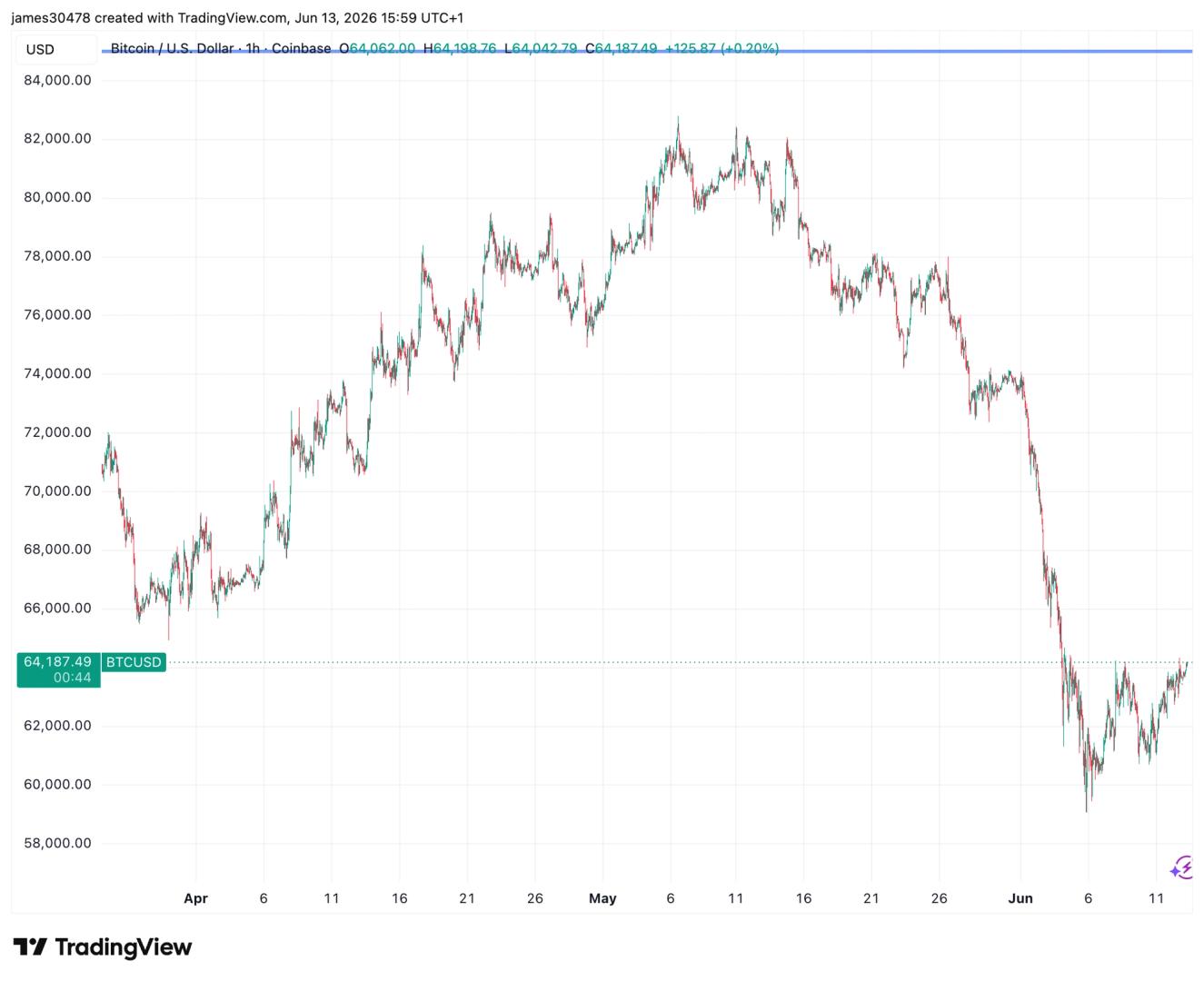
Bitcoin rises above $64,000 after Pakistan prime minister says Iran peace deal is near

Coinbase And Ethena Launch High Yield USDC Vault Powered By Morpho

Best Stablecoins Compared by Safety, Yield, Liquidity and Risk



