

Spain’s Bold Move: Full MiCA Regulation Implementation Set for July 2026
BitcoinWorld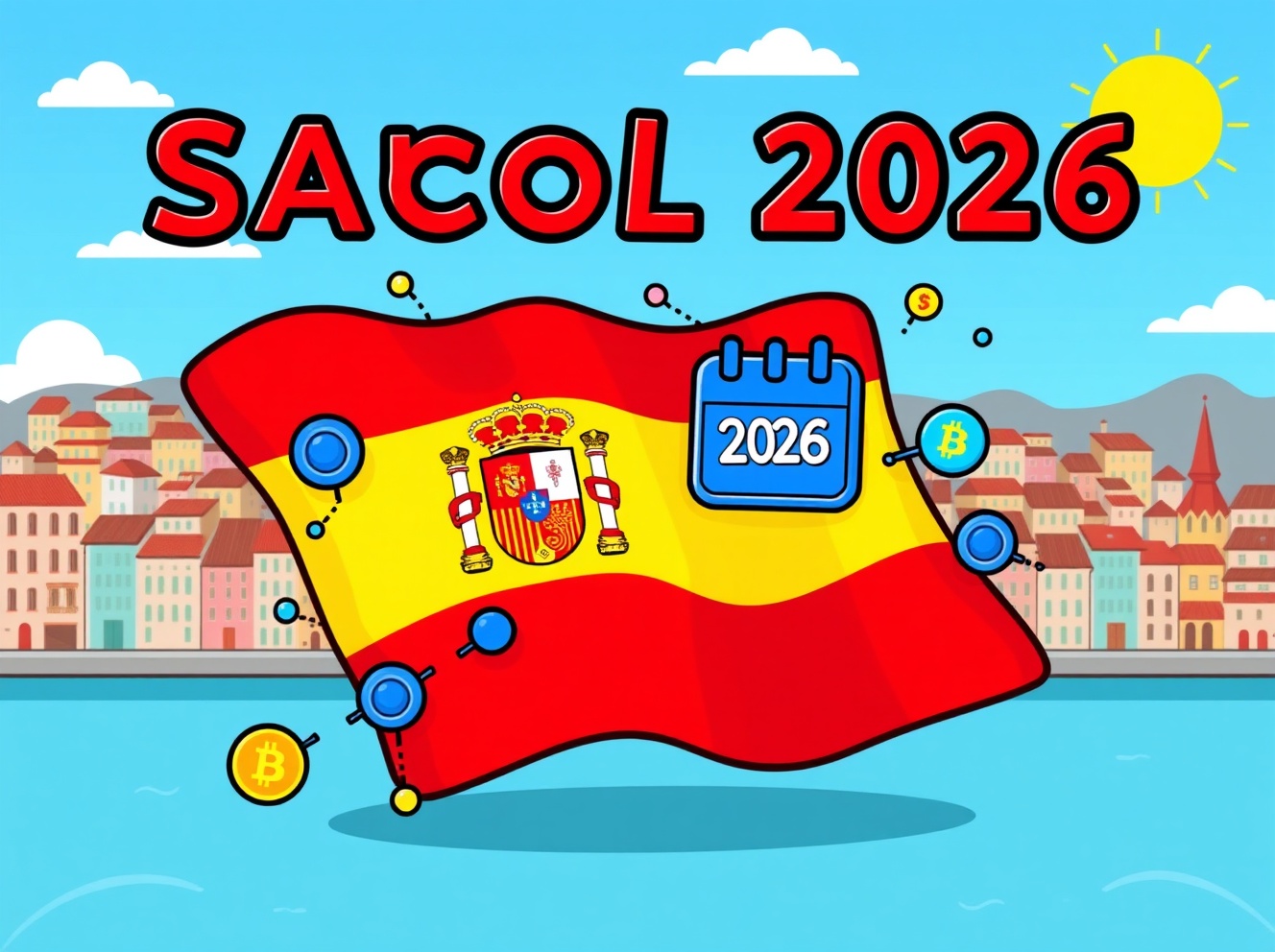
Spain’s Bold Move: Full MiCA Regulation Implementation Set for July 2026
Spain is making a decisive move in cryptocurrency regulation. The Spanish government has confirmed it will fully implement the European Union’s landmark MiCA regulation by July 1, 2026. This announcement marks a significant step toward standardized crypto oversight across Europe. After this date, only companies holding a MiCA license can legally operate in Spain. Moreover, the country will implement DAC8 tax reporting rules even earlier, in January 2026. These developments signal a major shift in how crypto businesses and investors will operate in one of Europe’s key markets.
What Does MiCA Regulation Mean for Spain?
The Markets in Crypto-Assets (MiCA) regulation represents the EU’s comprehensive framework for governing digital assets. For Spain, full implementation means creating a regulated environment where crypto service providers must meet specific standards. Companies will need authorization from Spanish regulators to offer services like trading, custody, and advice. This move aims to protect consumers while fostering innovation. However, it also presents challenges for existing businesses that must adapt to new compliance requirements. The transition period gives companies time to prepare, but the clock is ticking.
Key Deadlines: MiCA and DAC8 Implementation
Spain faces two crucial regulatory deadlines that will reshape its crypto landscape. First, the Directive on Administrative Cooperation (DAC8) takes effect on January 1, 2026. This EU tax rule requires crypto exchanges and service providers to report user information to tax authorities. Then, the full MiCA regulation implementation follows on July 1, 2026. These dates create a phased approach to regulation. The sequence allows tax reporting systems to be established before broader licensing requirements begin. For businesses, this means preparing for two major compliance milestones within six months.
How Will This Affect Crypto Businesses in Spain?
Crypto companies operating in Spain must navigate significant changes. The licensing requirement under MiCA regulation creates both hurdles and opportunities. Businesses should consider these key points:
- Licensing becomes mandatory: After July 2026, only licensed entities can operate
- Increased compliance costs: Meeting regulatory standards requires investment
- Enhanced credibility: Licensed companies gain consumer trust
- Market consolidation: Smaller players may struggle with compliance
- Cross-border operations: MiCA license allows operation across EU countries
Companies that start preparing now will have a competitive advantage. The application process for MiCA licenses will likely involve demonstrating robust security measures, transparent operations, and consumer protection protocols.
What About DAC8 Tax Reporting Requirements?
Before MiCA regulation takes full effect, Spain will implement DAC8 tax rules. This directive represents the EU’s effort to combat tax evasion in the crypto space. Starting January 2026, service providers must automatically report:
- User transaction details
- Account balances
- Fund movement information
This information goes directly to EU tax authorities. For Spanish crypto users, this means increased transparency but also potential privacy concerns. However, the rules primarily target service providers rather than individual investors. The implementation aligns with global trends toward greater crypto tax transparency.
Benefits of Spain’s Regulatory Approach
Spain’s commitment to implementing MiCA regulation offers several advantages. First, it provides legal clarity for businesses operating in the crypto space. Second, it enhances consumer protection through standardized rules. Third, it positions Spain as a regulated hub for crypto innovation within Europe. Additionally, the phased approach with DAC8 first allows for smoother implementation. Investors benefit from reduced fraud risk and clearer operational guidelines. Ultimately, these regulations could attract more institutional investment to Spain’s crypto market.
Challenges and Considerations
Despite the benefits, Spain’s regulatory timeline presents challenges. The dual implementation of DAC8 and MiCA creates complexity for businesses. Smaller companies may face resource constraints in meeting compliance requirements. There’s also the question of how Spanish regulators will interpret and enforce EU rules. Furthermore, the timeline gives companies just over two years to prepare—a short period for major operational changes. However, these challenges are balanced by the long-term stability that regulation brings to the market.
Actionable Insights for Stakeholders
Different groups should take specific actions in response to Spain’s regulatory timeline:
- Crypto businesses: Begin compliance planning immediately, assess licensing requirements, and budget for implementation costs
- Investors: Understand how reporting requirements affect tax obligations and look for licensed platforms after 2026
- Developers: Consider how product designs must adapt to regulatory standards
- Legal professionals: Develop expertise in MiCA compliance to serve the growing demand
Proactive preparation will be crucial for success in Spain’s newly regulated crypto environment.
The Future of Crypto in Spain and Beyond
Spain’s implementation of MiCA regulation represents more than just national policy. It signals Europe’s broader commitment to creating a harmonized digital assets market. As one of the EU’s largest economies, Spain’s approach will influence other member states. The coming years will test how effectively regulation balances innovation with consumer protection. Success could make Spain a model for other jurisdictions. However, the true measure will be whether these rules foster growth while maintaining market integrity.
Conclusion: A New Era for Spanish Crypto
Spain’s decision to fully implement MiCA by July 2026 marks a turning point for the country’s crypto industry. The regulatory clarity provided by MiCA, combined with DAC8 tax transparency, creates a framework for sustainable growth. While challenges exist during the transition period, the long-term benefits of consumer protection and market stability are significant. Spain is positioning itself at the forefront of Europe’s regulated crypto economy. The next two years will be crucial for businesses and investors adapting to this new reality.
Frequently Asked Questions
What is the MiCA regulation?
The Markets in Crypto-Assets (MiCA) regulation is the European Union’s comprehensive framework for governing cryptocurrency services and providers across member states.
When exactly will Spain implement MiCA?
Spain will fully implement MiCA regulation on July 1, 2026, after which only licensed companies can operate crypto services in the country.
What is DAC8 and when does it start in Spain?
DAC8 is an EU directive requiring crypto service providers to report user information to tax authorities. Spain will implement DAC8 on January 1, 2026.
Do individual crypto investors need a MiCA license?
No, individual investors don’t need MiCA licenses. The regulation applies to businesses providing crypto services like exchanges, wallet providers, and trading platforms.
Can crypto companies operate in Spain without a MiCA license after July 2026?
No, after July 1, 2026, all crypto service providers must have obtained a MiCA license to legally operate in Spain.
Will MiCA implementation affect crypto prices?
While regulation can influence market sentiment, MiCA’s primary effect is on business operations rather than direct price impact. Long-term, regulation may increase institutional participation.
Share This Insight
Found this analysis helpful? Share this article with fellow crypto enthusiasts, investors, and business owners who need to understand Spain’s regulatory timeline. Spreading awareness helps our community prepare for these important changes. Use the buttons below to share on your favorite social platforms!
To learn more about the latest cryptocurrency regulatory trends, explore our article on key developments shaping global crypto policy and institutional adoption.
This post Spain’s Bold Move: Full MiCA Regulation Implementation Set for July 2026 first appeared on BitcoinWorld.


You May Also Like

Justice Department has 'gone off the rails' for Trump's 'pretzel logic': analysis

Robotics Automation Prototyping: Engineering Kinetic Agility into End-Effectors

From Telegram to Terminal: Banana Gun’s Pro Platform Hits Ethereum as User Base Surpasses One Million



