

ChatGPT App Integrations: Your Essential Guide to Connecting DoorDash, Spotify, Uber and More
BitcoinWorld
ChatGPT App Integrations: Your Essential Guide to Connecting DoorDash, Spotify, Uber and More
OpenAI has fundamentally transformed how users interact with artificial intelligence through ChatGPT app integrations. These powerful connections allow seamless interaction between the AI assistant and popular services including DoorDash, Spotify, Uber, and Booking.com. As of early 2025, these integrations represent a significant shift toward practical, everyday AI applications that extend beyond simple conversation. Users can now accomplish complex tasks across multiple platforms without leaving the ChatGPT interface, creating a unified digital assistant experience that saves time and enhances productivity.
Getting Started with ChatGPT App Integrations
Connecting your favorite apps to ChatGPT requires just a few simple steps. First, ensure you’re logged into your ChatGPT account through the official platform. Then, type the name of the desired application at the beginning of your prompt. For instance, typing “Spotify” followed by your request initiates the connection process. The AI assistant will guide you through the authentication steps for each service. Alternatively, you can navigate to the Settings menu, select “Apps and Connectors,” and browse available integrations. This centralized approach lets you connect multiple services simultaneously. The current rollout remains limited to users in the United States and Canada, with European availability pending regulatory considerations.
Privacy Considerations and Data Sharing
Before connecting any application, carefully review the permissions you’re granting. Each integration requires sharing specific data with ChatGPT to function properly. For example, connecting Spotify allows access to your playlists, listening history, and library contents. This data sharing enables personalized experiences but raises important privacy considerations. OpenAI maintains that data handling follows strict security protocols, yet users should evaluate their comfort level with each connection. You can disconnect any integration at any time through the Settings menu, providing control over your data sharing preferences. This balance between functionality and privacy represents a crucial aspect of modern AI integration strategies.
Major App Integrations and Their Capabilities
ChatGPT now supports numerous high-profile applications, each offering unique functionality through the AI interface. These integrations transform ChatGPT from a conversational tool into a practical assistant capable of handling real-world tasks across multiple domains.
Entertainment and Media: Spotify Integration
The Spotify integration represents one of the most popular ChatGPT connections. Users can request personalized playlists based on mood, activity, or specific artists. The AI analyzes your listening history and preferences to generate tailored recommendations. Additionally, ChatGPT can perform library management tasks, adding or removing songs based on your instructions. This integration demonstrates how AI can enhance entertainment experiences through intelligent curation and automation.
Food and Delivery Services: DoorDash and Uber Eats
DoorDash’s ChatGPT integration, currently available only in the United States, revolutionizes meal planning and grocery shopping. Users can request complete meal plans and instantly add ingredients to their DoorDash cart. The system works with major retailers including Kroger, Safeway, and Wegmans. Similarly, Uber Eats integration allows restaurant discovery and menu browsing within ChatGPT, with payment completion in the Uber Eats app. These food service integrations showcase AI’s potential to streamline daily necessities.
Travel and Accommodation: Booking.com and Expedia
Travel planning becomes significantly more efficient through Booking.com and Expedia integrations. Users can specify destination, dates, budget, and preferences like proximity to public transportation. ChatGPT processes these parameters and presents hotel options directly within the chat interface. The AI can filter results by star rating, amenities, and specific requirements like “breakfast included.” This approach often proves more intuitive than traditional search interfaces, though users must complete bookings on the respective platforms.
Productivity and Design Tools
Beyond consumer applications, ChatGPT integrates with professional tools that enhance workplace productivity and creative workflows.
Canva for Visual Content Creation
The Canva integration assists with graphic design tasks through natural language prompts. Users can request specific designs like “16:9 slide deck about Q4 roadmap” or “Instagram post for product launch.” While AI-generated designs may require refinement, they provide valuable starting points that accelerate creative processes. This integration demonstrates AI’s growing role in visual content creation and design assistance.
Figma for Diagram and Workflow Visualization
Figma integration enables users to generate diagrams, flowcharts, and product roadmaps through conversational prompts. This functionality proves particularly valuable for visualizing complex concepts and team workflows. Users can upload existing files and request specific visualizations, making abstract ideas more tangible and communicable across teams.
Coursera for Educational Discovery
Coursera’s ChatGPT integration helps users find appropriate online courses based on skill level and learning objectives. The AI can compare courses by rating, duration, cost, and content coverage. This educational application shows how AI can personalize learning pathways and reduce the friction of course discovery.
Retail and Shopping Integrations
Several retail platforms have integrated with ChatGPT to enhance shopping experiences through AI assistance.
Target’s Strategic Integration
Target launched its ChatGPT integration strategically before Black Friday 2024. The feature allows users to request gift suggestions and create shopping baskets within the chat interface. Users can specify occasions like “movie night” and receive curated product selections. This integration supports multiple fulfillment options including same-day pickup and standard shipping, demonstrating retail innovation through AI partnerships.
Zillow for Real Estate Search
Zillow integration simplifies property searches through natural language prompts. Users can specify price ranges, bedroom counts, neighborhoods, and other preferences. ChatGPT processes these requirements and presents relevant listings, making real estate discovery more conversational and efficient than traditional filter-based searches.
Technical Implementation and User Experience
ChatGPT app integrations operate through secure API connections that maintain separation between platforms. When users connect an account, OpenAI establishes a token-based authentication that doesn’t store login credentials. The AI assistant acts as an intermediary, translating user requests into API calls that the connected applications understand. This architecture ensures security while enabling seamless cross-platform functionality. User experience varies slightly between integrations, but generally follows consistent patterns of request, processing, and result presentation within the chat interface.
Current Limitations and Geographic Restrictions
Several important limitations affect ChatGPT app integration availability. Most significantly, the feature remains exclusive to users in the United States and Canada. European and UK users cannot access these integrations due to ongoing regulatory discussions about data handling and AI implementation. Additionally, some services like Uber only offer on-demand ride booking without advance scheduling capabilities. These limitations reflect the complex landscape of AI deployment across different regions and service types.
Future Developments and Expanding Partnerships
OpenAI has announced plans to expand ChatGPT app integrations significantly throughout 2025 and 2026. Confirmed upcoming partners include OpenTable, PayPal, and Walmart, with launches scheduled for 2026. The company continues to negotiate with additional service providers across various industries. This expansion strategy indicates OpenAI’s commitment to transforming ChatGPT into a comprehensive digital assistant platform rather than merely a conversational AI. Industry analysts predict that successful integrations could establish new standards for how users interact with multiple services through unified AI interfaces.
Industry Impact and Competitive Landscape
ChatGPT’s app integration initiative has prompted responses from competing AI platforms. Google’s Gemini and Anthropic’s Claude have begun developing similar integration capabilities, though ChatGPT currently maintains first-mover advantage in this space. The success of these integrations could influence how AI assistants evolve from novelty tools into essential daily utilities. Technology analysts note that seamless cross-platform functionality represents the next major frontier in AI development, with significant implications for user behavior and digital ecosystem design.
Conclusion
ChatGPT app integrations represent a transformative development in practical AI application. By connecting services like DoorDash, Spotify, Uber, and Booking.com, OpenAI has created a more useful and integrated assistant experience. These connections demonstrate how artificial intelligence can streamline daily tasks across entertainment, shopping, travel, and productivity domains. While privacy considerations and geographic limitations currently affect availability, the expanding partnership roster suggests growing adoption. As ChatGPT continues evolving from conversational novelty to practical tool, its app integrations will likely play a crucial role in defining the future of AI-assisted digital experiences. Users should approach these capabilities with awareness of data sharing implications while appreciating the convenience and efficiency they enable.
FAQs
Q1: How do I connect my Spotify account to ChatGPT?
Navigate to ChatGPT Settings, select “Apps and Connectors,” find Spotify, and follow the authentication prompts. Alternatively, type “Spotify” at the beginning of any prompt to initiate the connection process.
Q2: Are ChatGPT app integrations available outside the United States?
Currently, these integrations are only available to users in the United States and Canada. European and UK users cannot access them due to regulatory considerations.
Q3: What happens to my data when I connect an app to ChatGPT?
Each integration shares specific data necessary for functionality. For example, Spotify shares your playlists and listening history. You can review permissions during connection and disconnect anytime through Settings.
Q4: Can I use ChatGPT to book an Uber ride in advance?
No, the Uber integration currently only supports on-demand ride requests. Advance scheduling is not available through the ChatGPT interface.
Q5: Which new app integrations are coming to ChatGPT?
OpenAI has announced partnerships with OpenTable, PayPal, and Walmart, with launches scheduled for 2026. Additional partners will likely be announced throughout 2025.
This post ChatGPT App Integrations: Your Essential Guide to Connecting DoorDash, Spotify, Uber and More first appeared on BitcoinWorld.


You May Also Like
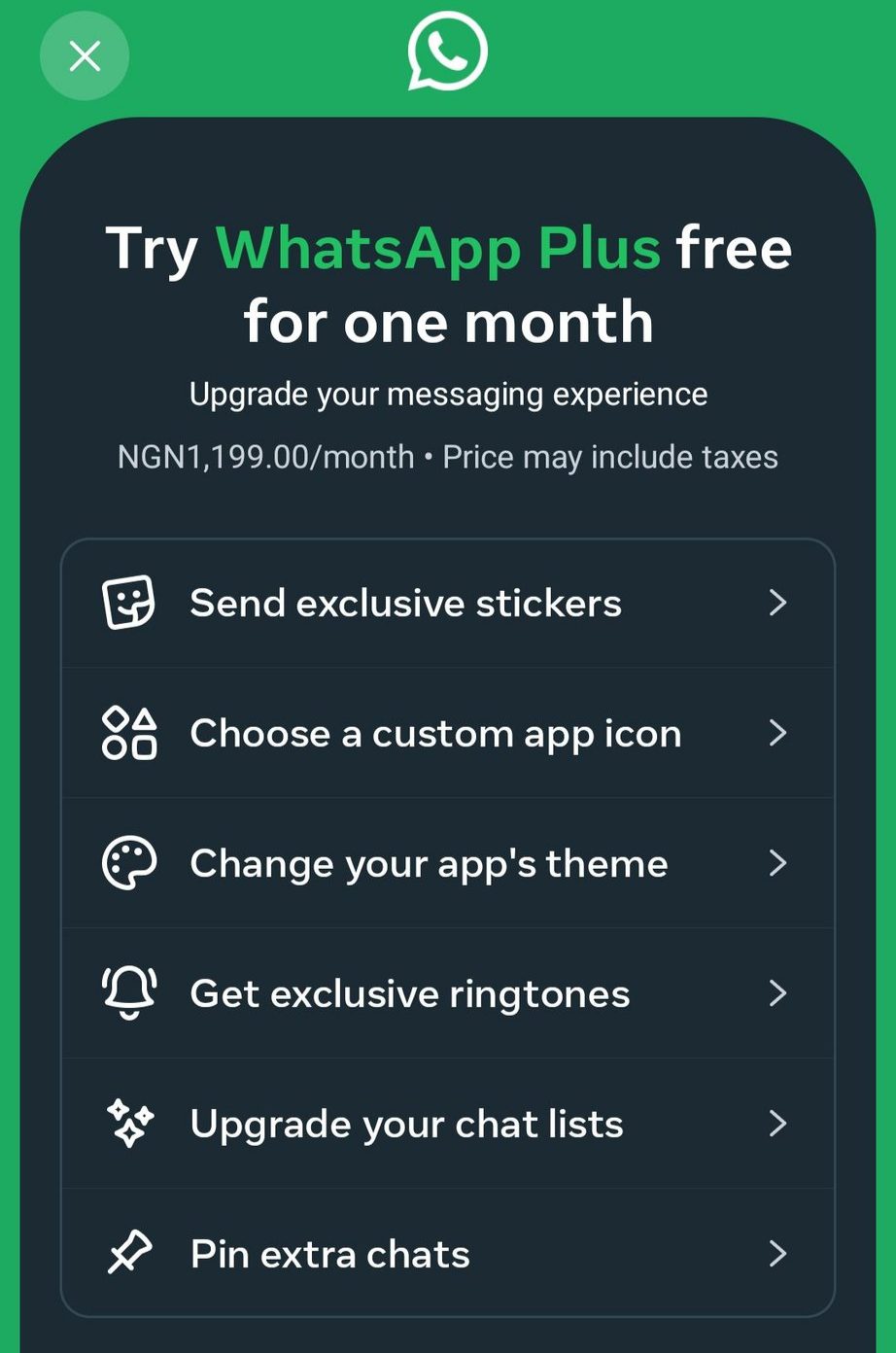
WhatsApp is not charging users a mandatory fee, but there’s a new subscription to know about

TIAA’s CEO made $26,000 in her first job but still maxed out her 401(k). She has advice for Gen Z

Apple (AAPL) Shares Tumble 5% Following Unexpected Price Increases on Mac and iPad Products



