The Russian Energy Ministry has begun compiling a national registry of crypto mining rigs as it looks to crack down on illegal mining and boost tax revenues. The state-run newspaper RIA Novosti reported that the ministry is working on the plan with the Federal Tax Service and the Ministry of Digital Development. The registry, the ministry claims, will serve as a central database of all the equipment used for cryptocurrency mining in the nation. Crypto Mining Rigs: Russians Must Register Hardware Russia’s Deputy Minister of Energy, Petr Konyushenko, told RIA Novosti that the ministry has sent its draft document to regions with high levels of crypto mining activity. A power station in Moscow, Russia. (Source: Lodo27 [CC BY-SA 3.0]) Konyushenko said the registry will let Moscow “precisely identify” who in the nation is “using electricity to mine cryptocurrencies.” This will allow regulators and tax officials to ensure miners are complying with mining-related laws. It will also help boost tax revenues, the ministry claimed. Konyushenko said: “This is a step toward legalizing the industry and reducing illegal energy consumption.” While legal crypto mining is on the rise in Russia, so too is the illegal sector. Scores of industrial crypto miners are known to be operating all across the country. Many use illegal connections to power grids. And others use subsidized power intended for residential households to power their data centers. The database will require all miners to submit rig serial numbers and device models. They will also have to submit details on other mining-related equipment. The Energy Ministry and the Industry Ministry first proposed creating a national crypto mining equipment registry back in February this year . A Russian crypto miner shows off his equipment. (Source: Chudesniy Kitai!/RuTube) Critics Unsure About Ministry Plans Government officials said a unified registry of “equipment without which cryptocurrency mining is impossible” was needed. The idea is not without its vociferous critics. These include the lawmaker Anton Gorelkin, one of the architects of Russia’s crypto mining laws. Gorelkin said it was “unclear how exactly this registry will help combat illegal mining.” He added that Moscow already has the “necessary tools to identify miners who use electricity illegally.” Legalize Black-market Rigs, Says Lawmaker The lawmaker also explained that Moscow needed to focus its efforts on helping miners legalize crypto mining equipment bought using sanctions-evading “shadow schemes.” Russia is regularly switching off mobile internet connections in large swaths of the country for security reasons https://t.co/Hv1uW7cWzn — Bloomberg (@business) July 3, 2025 This would help miners “legalize” mining rigs they buy on the black market and “quickly add them to the registry,” Gorelkin said. The media outlet RBC reported that officials (including customs officers) are considering issuing an “amnesty” for crypto miners who have “no other choice” than to buy rigs through underground channels in a bid to evade sanctions regimes. Earlier this month, police in Sayansk announced they had shut down an illegal crypto mining farm fitted with 240 mining rigs. Officers said the farm was using enough electricity to power 2,000 apartments. Also this month, police in St. Petersburg said they seized an undisclosed number of crypto mining rigs operating in a warehouse in an industrial zone near the iconic Mitrofanievsky Highway.The Russian Energy Ministry has begun compiling a national registry of crypto mining rigs as it looks to crack down on illegal mining and boost tax revenues. The state-run newspaper RIA Novosti reported that the ministry is working on the plan with the Federal Tax Service and the Ministry of Digital Development. The registry, the ministry claims, will serve as a central database of all the equipment used for cryptocurrency mining in the nation. Crypto Mining Rigs: Russians Must Register Hardware Russia’s Deputy Minister of Energy, Petr Konyushenko, told RIA Novosti that the ministry has sent its draft document to regions with high levels of crypto mining activity. A power station in Moscow, Russia. (Source: Lodo27 [CC BY-SA 3.0]) Konyushenko said the registry will let Moscow “precisely identify” who in the nation is “using electricity to mine cryptocurrencies.” This will allow regulators and tax officials to ensure miners are complying with mining-related laws. It will also help boost tax revenues, the ministry claimed. Konyushenko said: “This is a step toward legalizing the industry and reducing illegal energy consumption.” While legal crypto mining is on the rise in Russia, so too is the illegal sector. Scores of industrial crypto miners are known to be operating all across the country. Many use illegal connections to power grids. And others use subsidized power intended for residential households to power their data centers. The database will require all miners to submit rig serial numbers and device models. They will also have to submit details on other mining-related equipment. The Energy Ministry and the Industry Ministry first proposed creating a national crypto mining equipment registry back in February this year . A Russian crypto miner shows off his equipment. (Source: Chudesniy Kitai!/RuTube) Critics Unsure About Ministry Plans Government officials said a unified registry of “equipment without which cryptocurrency mining is impossible” was needed. The idea is not without its vociferous critics. These include the lawmaker Anton Gorelkin, one of the architects of Russia’s crypto mining laws. Gorelkin said it was “unclear how exactly this registry will help combat illegal mining.” He added that Moscow already has the “necessary tools to identify miners who use electricity illegally.” Legalize Black-market Rigs, Says Lawmaker The lawmaker also explained that Moscow needed to focus its efforts on helping miners legalize crypto mining equipment bought using sanctions-evading “shadow schemes.” Russia is regularly switching off mobile internet connections in large swaths of the country for security reasons https://t.co/Hv1uW7cWzn — Bloomberg (@business) July 3, 2025 This would help miners “legalize” mining rigs they buy on the black market and “quickly add them to the registry,” Gorelkin said. The media outlet RBC reported that officials (including customs officers) are considering issuing an “amnesty” for crypto miners who have “no other choice” than to buy rigs through underground channels in a bid to evade sanctions regimes. Earlier this month, police in Sayansk announced they had shut down an illegal crypto mining farm fitted with 240 mining rigs. Officers said the farm was using enough electricity to power 2,000 apartments. Also this month, police in St. Petersburg said they seized an undisclosed number of crypto mining rigs operating in a warehouse in an industrial zone near the iconic Mitrofanievsky Highway.

Russian Ministry Starts Compiling National Registry of Crypto Mining Rigs

The Russian Energy Ministry has begun compiling a national registry of crypto mining rigs as it looks to crack down on illegal mining and boost tax revenues.

The state-run newspaper RIA Novosti reported that the ministry is working on the plan with the Federal Tax Service and the Ministry of Digital Development.

The registry, the ministry claims, will serve as a central database of all the equipment used for cryptocurrency mining in the nation.

Crypto Mining Rigs: Russians Must Register Hardware

Russia’s Deputy Minister of Energy, Petr Konyushenko, told RIA Novosti that the ministry has sent its draft document to regions with high levels of crypto mining activity.
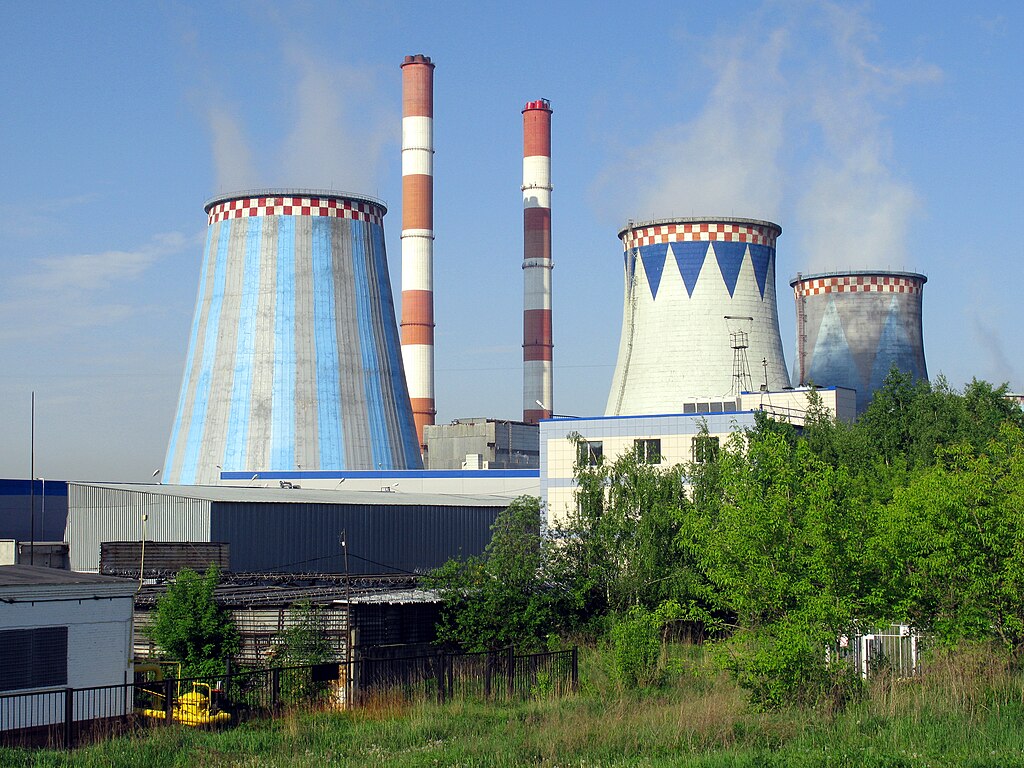
A power station in Moscow, Russia.A power station in Moscow, Russia. (Source: Lodo27 [CC BY-SA 3.0])

Konyushenko said the registry will let Moscow “precisely identify” who in the nation is “using electricity to mine cryptocurrencies.”

This will allow regulators and tax officials to ensure miners are complying with mining-related laws. It will also help boost tax revenues, the ministry claimed. Konyushenko said:

While legal crypto mining is on the rise in Russia, so too is the illegal sector. Scores of industrial crypto miners are known to be operating all across the country.

Many use illegal connections to power grids. And others use subsidized power intended for residential households to power their data centers.

The database will require all miners to submit rig serial numbers and device models. They will also have to submit details on other mining-related equipment.

The Energy Ministry and the Industry Ministry first proposed creating a national crypto mining equipment registry back in February this year.

A Russian crypto miner shows off his equipment.A Russian crypto miner shows off his equipment. (Source: Chudesniy Kitai!/RuTube)

Critics Unsure About Ministry Plans

Government officials said a unified registry of “equipment without which cryptocurrency mining is impossible” was needed.

The idea is not without its vociferous critics. These include the lawmaker Anton Gorelkin, one of the architects of Russia’s crypto mining laws. Gorelkin said it was “unclear how exactly this registry will help combat illegal mining.”

He added that Moscow already has the “necessary tools to identify miners who use electricity illegally.”

Legalize Black-market Rigs, Says Lawmaker

The lawmaker also explained that Moscow needed to focus its efforts on helping miners legalize crypto mining equipment bought using sanctions-evading “shadow schemes.”

This would help miners “legalize” mining rigs they buy on the black market and “quickly add them to the registry,” Gorelkin said.

The media outlet RBC reported that officials (including customs officers) are considering issuing an “amnesty” for crypto miners who have “no other choice” than to buy rigs through underground channels in a bid to evade sanctions regimes.

Earlier this month, police in Sayansk announced they had shut down an illegal crypto mining farm fitted with 240 mining rigs. Officers said the farm was using enough electricity to power 2,000 apartments.

Also this month, police in St. Petersburg said they seized an undisclosed number of crypto mining rigs operating in a warehouse in an industrial zone near the iconic Mitrofanievsky Highway.


Market Opportunity
NEAR Logo
NEAR Price(NEAR)
$1.516
$1.516$1.516
-0.06%
USD
NEAR (NEAR) Live Price Chart
Disclaimer: The articles reposted on this site are sourced from public platforms and are provided for informational purposes only. They do not necessarily reflect the views of MEXC. All rights remain with the original authors. If you believe any content infringes on third-party rights, please contact [email protected] for removal. MEXC makes no guarantees regarding the accuracy, completeness, or timeliness of the content and is not responsible for any actions taken based on the information provided. The content does not constitute financial, legal, or other professional advice, nor should it be considered a recommendation or endorsement by MEXC.

You May Also Like

Polygon Tops RWA Rankings With $1.1B in Tokenized Assets

Polygon Tops RWA Rankings With $1.1B in Tokenized Assets

The post Polygon Tops RWA Rankings With $1.1B in Tokenized Assets appeared on BitcoinEthereumNews.com. Key Notes A new report from Dune and RWA.xyz highlights Polygon’s role in the growing RWA sector. Polygon PoS currently holds $1.13 billion in RWA Total Value Locked (TVL) across 269 assets. The network holds a 62% market share of tokenized global bonds, driven by European money market funds. The Polygon POL $0.25 24h volatility: 1.4% Market cap: $2.64 B Vol. 24h: $106.17 M network is securing a significant position in the rapidly growing tokenization space, now holding over $1.13 billion in total value locked (TVL) from Real World Assets (RWAs). This development comes as the network continues to evolve, recently deploying its major “Rio” upgrade on the Amoy testnet to enhance future scaling capabilities. This information comes from a new joint report on the state of the RWA market published on Sept. 17 by blockchain analytics firm Dune and data platform RWA.xyz. The focus on RWAs is intensifying across the industry, coinciding with events like the ongoing Real-World Asset Summit in New York. Sandeep Nailwal, CEO of the Polygon Foundation, highlighted the findings via a post on X, noting that the TVL is spread across 269 assets and 2,900 holders on the Polygon PoS chain. The Dune and https://t.co/W6WSFlHoQF report on RWA is out and it shows that RWA is happening on Polygon. Here are a few highlights: – Leading in Global Bonds: Polygon holds 62% share of tokenized global bonds (driven by Spiko’s euro MMF and Cashlink euro issues) – Spiko U.S.… — Sandeep | CEO, Polygon Foundation (※,※) (@sandeepnailwal) September 17, 2025 Key Trends From the 2025 RWA Report The joint publication, titled “RWA REPORT 2025,” offers a comprehensive look into the tokenized asset landscape, which it states has grown 224% since the start of 2024. The report identifies several key trends driving this expansion. According to…
Share
BitcoinEthereumNews2025/09/18 00:40
OpenVPP accused of falsely advertising cooperation with the US government; SEC commissioner clarifies no involvement

OpenVPP accused of falsely advertising cooperation with the US government; SEC commissioner clarifies no involvement

PANews reported on September 17th that on-chain sleuth ZachXBT tweeted that OpenVPP ( $OVPP ) announced this week that it was collaborating with the US government to advance energy tokenization. SEC Commissioner Hester Peirce subsequently responded, stating that the company does not collaborate with or endorse any private crypto projects. The OpenVPP team subsequently hid the response. Several crypto influencers have participated in promoting the project, and the accounts involved have been questioned as typical influencer accounts.
Share
PANews2025/09/17 23:58
Will XRP Price Increase In September 2025?

Will XRP Price Increase In September 2025?

Ripple XRP is a cryptocurrency that primarily focuses on building a decentralised payments network to facilitate low-cost and cross-border transactions. It’s a native digital currency of the Ripple network, which works as a blockchain called the XRP Ledger (XRPL). It utilised a shared, distributed ledger to track account balances and transactions. What Do XRP Charts Reveal? […]
Share
Tronweekly2025/09/18 00:00